Post by : Anis
Al-Rashid
Thai Pongal: The Harvest Festival in Tamil Nadu
Thai Pongal, often simply called Pongal, stands as one of the key harvest festivals celebrated predominantly in Tamil Nadu and among Tamil communities around the globe. It aligns with Makar Sankranti, marking the transition of the sun to its northern hemisphere voyage (Uttarayan), serving as a time for giving thanks to the Sun God, Surya, and acknowledging the agricultural richness of the season. In 2026, both Thai Pongal and Makar Sankranti are observed on Wednesday, January 14, with the significant Sankranti moment occurring at 3:13 pm, as per traditional Drik Panchang calculations.
The word “Pongal” translates in Tamil to “boil over” or overflow, symbolizing abundance and prosperity. This essence is embodied in the principal ritual of cooking the pongal dish until it spills over, representing fertility, abundance, and a bountiful harvest. The festival serves as a unifying occasion for families, communities, and towns to partake in joyous celebrations that blend spirituality, food, customs, and social interactions.
Four Days of Pongal: Festivities and Meanings
Bhogi – A Time for Renewal
The celebrations commence the day before Thai Pongal with Bhogi Pandigai. Bhogi symbolizes purification and renewal, where people discard old items while embracing new beginnings. Homes undergo thorough cleaning and decorating, while bonfires are lit to signify the shedding of past burdens, marking a fresh start.
Thai Pongal – The Main Celebration Day
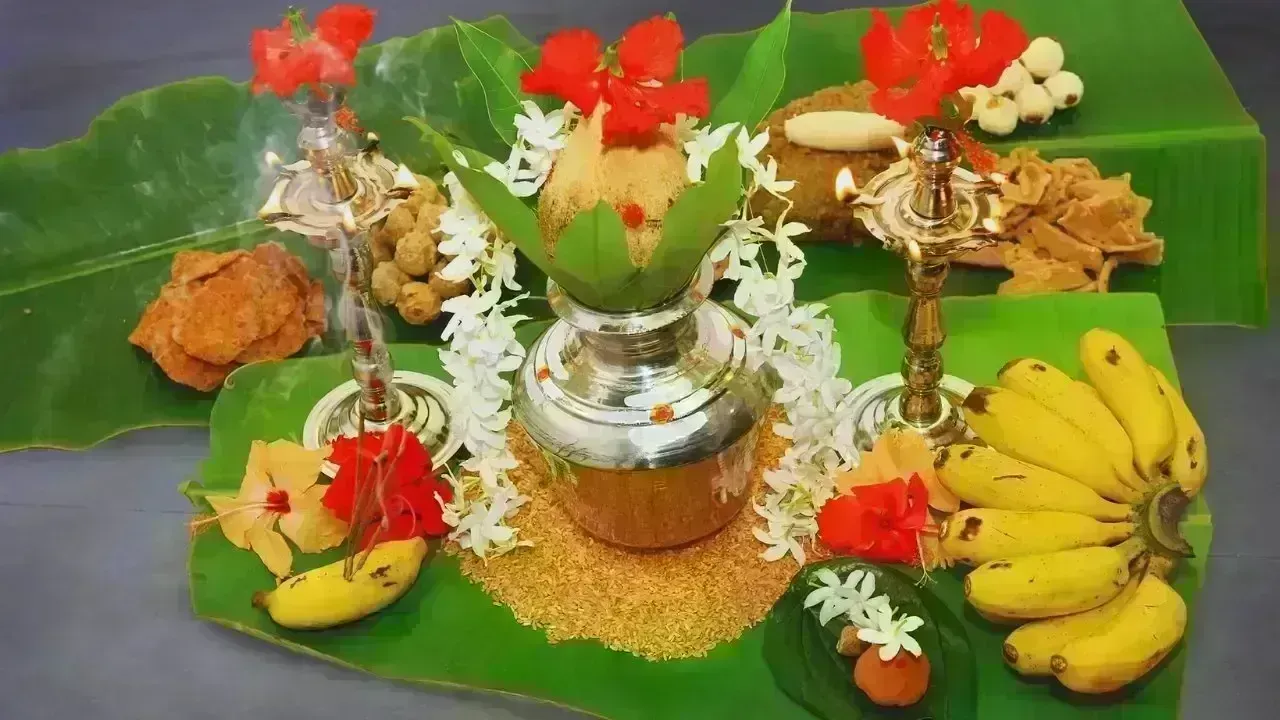
Thai Pongal represents the festival's pinnacle on January 14, 2026. Families prepare pongal in clay pots outdoors using freshly harvested rice, milk, jaggery, and ghee. During preparation, prayers are directed to the Sun God to express gratitude for the sunshine, rain, and favorable conditions vital for farming. As the rice overflows from the pot, family members cheer with “Pongalo Pongal,” embodying prosperity and fortune.
Mattu Pongal – Celebrating Cattle
The following day is dedicated to Mattu Pongal, where cattle, especially cows and bulls, are honored for their crucial roles in farming. Livestock are adorned with garlands, and in some areas, bull-taming events, such as Jallikattu, highlight community spirit and the connection between humans and animals in agricultural life.
Kaanum Pongal – A Day of Community and Celebration
The concluding day, Kaanum Pongal, focuses on relaxation, socializing, and visiting friends and family. Many celebrate by traveling to picturesque locations or former homes, sharing meals, and enjoying folk performances. This day underlines unity and the renewal of social bonds.
Cultural Importance and Historical Roots
Originating deeply from Tamil cultural heritage and agricultural practices, Thai Pongal is documented in ancient texts and temple inscriptions as a festival of gratitude observed long before the current calendar systems were established. The festival’s timing aligns with the Tamil solar calendar, commencing the month of Thai, marking a new solar year.
Pongal’s emphasis revolves around gratitude to the Earth, Surya (the Sun God), nature's cycles, and the collective efforts of farming communities. It mirrors the agrarian roots of South India, reinforcing personal and communal rhythms as the seasons change. Even today, both urban and rural festivities maintain this rich cultural essence, fusing prayer with family unity, traditional decorations, cultural performances, and festive foods.
Rituals and Customs
Kolam – Artistic Welcomes
A unique aspect of Pongal traditions is the creation of kolam, where artistic designs are crafted outside homes with rice flour. These intricate patterns are believed to attract prosperity and repel negativity, showcasing a vibrant visual heritage.
Prayer and Worship
On Thai Pongal, homes and yards transform into prayer centers. Families create small altars with fresh sugarcane, flowers, coconuts, and turmeric plants, praying for blessings in the year ahead. Many also visit temples for pujas (ritualistic worship), emphasizing appreciation for nature’s bounties and a desire for continued prosperity.
Festive Decorations and Customs
Homes are thoroughly cleaned and adorned with mango leaves and lively colors. Traditional attire is donned, with elders bestowing blessings and gifts upon younger members. Community banquets, storytelling, and dance enliven the celebrations, fostering a communal spirit that bridges generations.
Culinary Delicacies: Festive Feasting
At the heart of Thai Pongal celebrations lies the food, reflecting seasonal harvests and time-honored family recipes.
Sakkarai Pongal – Festive Sweetness
The festival’s hallmark dish is Sakkarai Pongal, a sweet rice preparation made with jaggery, ghee, cashews, raisins, and cardamom. Prepared in clay pots outdoors, its overflow symbolizes abundance, uniting families in joyous moments.
Complementary Festive Dishes
Additional festive dishes include ven pongal (savoury rice and lentil preparation), paal pongal (milk-based variation), medu vada, sambar, avial, payasam, and seasonal sweets, all enhancing the celebration and honoring fresh produce and spices.
Culinary Symbolism
Every dish carries intrinsic meaning; sweetness symbolizes wealth and goodwill, while savory items express nourishment and communal sharing, embodying the overall cycle of sowing, reaping, and gratitude.
Global Pongal Celebrations
Celebrations in Tamil Nadu and Beyond
Pongal is celebrated with great enthusiasm in Tamil Nadu, particularly in rural communities, where shared rituals and meals strengthen bonds. Urban celebrations often adhere to tradition, with families engaging in outdoor cooking, home decorations, and cattle honoring.
Global Observance Throughout Tamil Diaspora
Today, the festival is celebrated internationally among Tamil diaspora communities. For instance, the Prime Minister of Singapore has invited citizens to celebrate alongside the Tamil community, emphasizing its global significance and unifying nature beyond India's borders.
Numerous Thai Pongal events across the United Kingdom, Canada, Australia, the Gulf, and other regions with large Tamil populations include cultural shows, food festivals, and communal gatherings, allowing families to reconnect with their heritage.
Modern Relevance: Community Engagement and Education
The relevance of Pongal in Tamil Nadu is also evident in public initiatives. Schools observe extended holidays surrounding the festival dates, enabling families to immerse themselves in festivities, with schools closed from January 14 to January 17, during the Pongal celebrations.
In communities both urban and rural, the essence of Pongal nurtures unity, gratitude, and cultural continuity as public events, temple activities, and social gatherings cultivate a festive spirit that unites citizens of all ages.
Conclusion: Celebrating Thai Pongal as a Time of Thankfulness
Thai Pongal 2026 transcends mere dates on the calendar; it embodies a dynamic cultural practice celebrating nature's cycles, agricultural success, and communal bonds. Occurring on January 14 as part of a multi-day celebration, which includes Bhogi, Mattu Pongal, and Kaanum Pongal, this harvest festival harmoniously merges rituals, foods, vibrant decorations, and social connections that resonate universally.
From the jubilant chants of “Pongalo Pongal” echoing among Tamil families to the gatherings of the global Tamil diaspora, the festival persists in upholding values of gratitude, prosperity, and collective joy. It deeply intertwines individuals with the land, the movements of the sun and seasons, and with each other — embodying a spirit that remains both timeless and profoundly human.
Disclaimer:
This article serves cultural and informational purposes. Rituals, timings, and celebrations may differ internationally. Readers are encouraged to verify locally for details if planning participation.


 English