Post by : Anis
Al-Rashid
Are Phones Reaching Their Limit?
For the last two decades, smartphones have dominated our daily lives, seamlessly blending their functions with our routines. They’ve replaced various devices, from cameras to personal computers. However, despite ongoing enhancements, real innovation in smartphones has plateaued. Minor improvements, such as brighter displays or sharper images, have failed to redefine user experience.
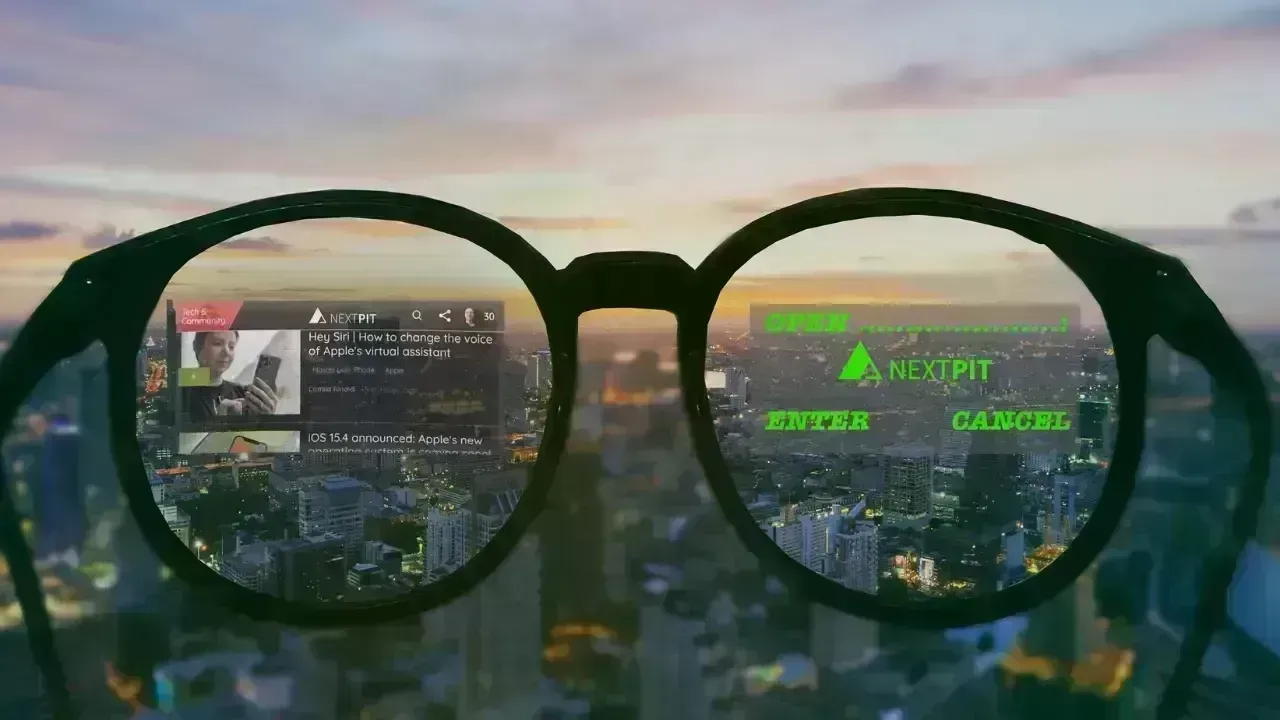
In contrast, smart glasses have been quietly advancing. Once considered clumsy and impractical, these devices are nearing a pivotal transformation. Experts suggest that by 2027, smart glasses could serve as the primary personal computing device for many users, supplanting traditional smartphones.
This transition will not be swift; instead, it will evolve gradually as smart glasses become lighter, more advanced, and better integrated into everyday life. The concern is shifting from whether smart glasses will replace phones to when and how this will occur.
Understanding Smart Glasses
Smart glasses resemble everyday eyewear but are equipped with cutting-edge digital technology. Key features include:
-
Micro displays that enhance the user’s vision
-
Cameras and sensors for enhanced perception
-
Microphones and speakers for voice controls
-
Connectivity options including Wi-Fi, Bluetooth, and cellular networks
-
Advanced AI capabilities, either on-device or cloud-based
What sets smart glasses apart from smartphones is their hands-free operation. Users interact through voice commands, gestures, and eye movements, making them a significant innovation in usability.
Why Major Firms Are Investing in Smart Glasses
Tech giants are heavily betting on smart glasses as smartphones reach saturation. The future will be driven by wearable technology that integrates naturally into our lives instead of being a distraction.
The goal is to establish the next primary interface between humans and technology, akin to how smartphones overtook desktops. Control of this emerging wearable landscape will dictate access to communication, commerce, and entertainment.
The Technologies Driving Smart Glasses
AI: The Core Enabler
Artificial intelligence is crucial for enabling smart glasses to function as replacements for smartphones. AI allows these devices to deduce context and user intent without constant interaction.
Users can issue commands, such as:
AI thus turns smart glasses into personal digital assistants.
Augmented Reality Supplanting Screens
While smartphones rely on flat screens, smart glasses implement augmented reality, projecting information onto the real world.
Applications include:
-
Real-time navigation cues
-
Notifications displayed in peripheral vision
-
Live captions during interactions
-
Shopping assistance with product details
These capabilities minimize the need to glance at devices, promoting quicker and safer interactions.
Enhancements in Display Technology
Previous attempts at smart glasses faltered due to bulkiness and poor visibility. However, developments in micro-LEDs, optics, and waveguides by 2026-2027 will yield:
These advancements will allow smart glasses to feel like ordinary eyewear while providing immersive digital experiences.
Battery and Processing Efficiency
Battery limitations were a major drawback in the past. However, new low-power processors tailored for wearables enable smart glasses to function throughout the day with minimal battery weight.
Load balancing between:
This hybrid approach significantly boosts performance without sacrificing comfort.
Core Phone Functions Embraced by Smart Glasses
Communication Reimagined
Smart glasses can support:
-
Voice calls using bone conduction technology
-
Reading and dictating messages
-
Live translations for conversations
By 2027, traditional text communication may seem outdated compared to context-aware interactions directly through eyewear.
Enhanced Navigation
Maps are a key smartphone function. Smart glasses improve navigation through:
-
Turn-by-turn directions integrated into the real world
-
Visual highlights of significant landmarks
-
Live transit updates accessible without device unlocking
This functionality proves crucial during driving, walking, or navigating unfamiliar places.
Photography and Instant Recording
Smart glasses facilitate immediate capture of events, eliminating phone usage barriers. They enable:
This technology could revolutionize creativity for users, journalists, and content creators.
Digitized Transactions and Identity Management
Smart glasses equipped with biometric security can manage:
-
Contactless transactions
-
Electronic tickets
-
Boarding passes
-
Identity confirmation
With just a glance or voice command, users could easily manage payments.
Boosting Workplace Efficiency
In various professions, smart glasses can provide:
-
Floating lists of tasks
-
Notes visible during discussions
-
Immediate access to documents in real-time
-
Overlays for remote assistance
This technology is particularly valuable in sectors like logistics, healthcare, and engineering.
The Significance of 2027
By 2027, various aspects are expected to align:
-
Hardware acceptance becomes widespread
-
AI achieves contextual reliability
-
Battery life meets expectations
-
A mature app ecosystem emerges
-
Price decreases, making them accessible
This progression mirrors the rapid adoption of smartphones from 2006 to 2008, transitioning from skepticism to widespread acceptance.
The Influence of Major Tech Firms
Apple, Meta, and Google are approaching smart glasses in their own unique ways:
-
Apple focuses on integrating the ecosystem and enhancing privacy
-
Meta prioritizes social engagement and immersive experiences
-
Google emphasizes AI utilization, translation, and data retrieval
Their combined efforts are facilitating accelerated innovation and greater visibility.
India's Pivotal Role in Smart Glass Adoption
India is positioned to quickly adopt smart glasses due to:
-
A tech-oriented youth demographic
-
High mobile data consumption
-
A burgeoning creative economy
-
Rising demand for translation services
-
Urgent urban navigation requirements
Smart glasses could significantly benefit:
-
Gig workers
-
Delivery personnel
-
Tour guides
-
Healthcare professionals
-
Students
Addressing Existing Challenges
Privacy and Surveillance Issues
The presence of cameras on smart glasses raises valid concerns. Public acceptance hinges on:
Without a foundation of trust, widespread adoption will stall.
Design and Social Acceptance
Regular daily use of smart glasses requires that they:
Design aesthetics are as essential as technology.
Affordability and Accessibility
Initial models will likely carry high costs. The transition to smart glasses requires:
Will Phones Become Obsolete?
Not in the immediate future. Phones may evolve into supplementary devices that focus on:
Smart glasses will dominate daily interactions, paralleling phones' past role in replacing desktops for brief tasks.
Imagining Daily Life in 2027
-
Awakening to a floating schedule in view
-
Navigational prompts as you exit your home
-
Messages read aloud while moving
-
Automatic payment processing
-
Memories captured effortlessly
-
Rarely reaching for your phone
This future is not mere fiction; it reflects the ongoing evolution of technologies currently in development.
Final Thoughts: The Shift Towards Wearable Technology
Smart glasses indicate a new paradigm in personal technology. As smartphones transformed numerous older devices, smart glasses are on the brink of redefining how we access information.
In 2027, the critical inquiry may shift from “Do you have your phone?” to “Are you wearing your glasses?”
This shift will be gradual, complex, and contentious—but it's already in motion.
Disclaimer:
This article serves informational purposes only and reflects current technological trends and forecasts. Actual adoption timelines may differ based on technology, regulations, and market conditions.


 English