Post by : Anis
Al-Rashid
A Shift in App Expectations
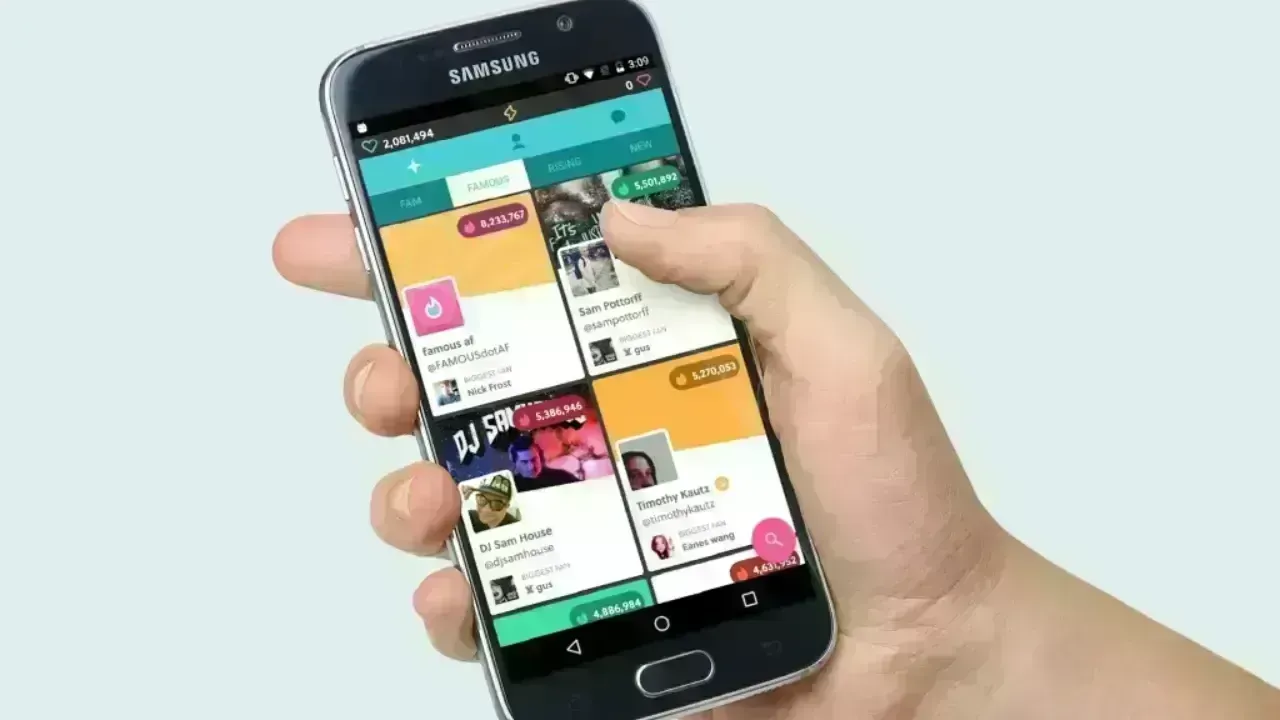
Historically, apps were judged on their abundance of features. However, by 2026, this notion has evolved. Data reveals that users are opting for apps that embody calmness, relevance, and consideration.
The most sought-after feature for apps is now intelligent personalization that places users in control. People want apps to cater to their needs while avoiding overwhelming experiences. They favor relevance over intrusion, ease without dependency, and automated assistance that respects agency.
This change signifies a pivotal moment in digital product design.
Shifting from Complexity to Simplicity
The early 2020s showcased apps bursting with constant updates and exhaustive options. While this approach increased user engagement metrics, it simultaneously induced fatigue.
In 2026, search trends indicate users expressing desires for a simpler app experience, fewer notifications, and customizable app interactions, highlighting a frustration with digital noise.
What’s remarkable is this demand transcends across various app categories, including productivity tools, social media, finance, health, and entertainment.
Understanding Personalization in 2026
Personalization now extends beyond mere custom themes or surface-level recommendations. User data indicates a demand for deeper engagement.
Users seek apps that intuitively account for context, such as the time of day or personal energy levels. They desire productivity apps that adjust based on their workloads rather than just deadlines.
Equally important is users' need for control over this intelligence, showcasing a demand for transparency and customization in app interactions.
Control Over Intelligence
A notable trend in 2026 is the insistence on control. Users are not disregarding intelligent features; instead, they demand authority over their functionality.
Searches reflect a desire for terms like “custom rules,” “manual settings,” and “controlling behavior of apps,” indicative of a growing awareness of algorithmic influence.
Users wish to dictate when an app adapts or remains neutral, valuing the ability to pause automation and set personal boundaries.
Core Notification Management
User searches regarding notifications further exemplify this trend. In 2026, individuals are intensely seeking better notification management.
They demand apps that communicate urgency and achieve relevance in timing. Rather than bombarding users with alerts, notifications should be meaningful and timely.
Users are shown to prefer features that allow priority settings, adaptive quiet modes, and summaries rather than constant interruptions.
Privacy-Centric Personalization
Privacy remains a crucial aspect of this transformation. Users in 2026 are highly aware that personalization can often lead to data exploitation.
Search behavior indicates a robust preference for personalization that respects privacy, with terms like “local intelligence,” “private personalization,” and “no data tracking” surfacing often.
Trust has become paramount, with a strong focus on apps that operate transparently and prioritize user data autonomy.
Universality of the Trend
The reach of this trend is noteworthy—it is not limited to specific app types.
Social media apps are urged to enhance user control over feeds, finance apps are tasked with delivering tailored insights without inundating users, and wellness apps are challenged to adapt to users’ emotional states without intrusiveness.
Measuring AI Impact
While AI facilitates the realization of these features, users are more focused on outcomes than the technology itself.
Data indicates that users prioritize apps that exhibit thoughtful, adaptive behavior without requiring constant input.
The Role of Digital Wellbeing
The increasing awareness of digital wellbeing is propelling this trend, with users keenly aware of how apps influence their mental health.
Searches reflect concerns over “less stress,” “enhanced focus,” and “healthy usage,” indicating that emotional impact is becoming a key factor in app choices.
Adapting Designs to Individual Needs
Traditional one-size-fits-all design has become antiquated. Users now seek apps that are attuned to their unique lifestyles and preferences.
The demand for tailored personalization signifies a departure from the average-centric design approach, emphasizing the significance of individual user experiences.
Implications for App Developers
This shift has profound implications for the app ecosystem. Reliance on traditional engagement metrics is diminishing in favor of meaningful connections.
Users may favor less frequent app usage if it holds more significance, challenging previous monetization strategies based on attention rather than trust.
The Proactive Search for Better Apps
Users are no longer resigned to their app experiences; they are actively seeking improvement.
This shows discontent with current offerings, as users compare, switch platforms, and look for solutions that provide greater agency.
Future App Design Perspectives
The current dominance of this feature highlights a pivotal design evolution. Future apps will be evaluated on how seamlessly they integrate into daily life.
Design strategies will likely prioritize calm interfaces, responsive functionalities, and transparent user controls moving forward.
An Inevitable Shift
This trend, while unexpectedly simple, arises from the demands of users seeking restraint amid a tech-saturated environment.
The overarching desire is for technology that understands when to recede and uplifts rather than intrudes.
Conclusion: The Defining Feature of 2026
The standout app feature that users are gravitating towards in 2026 is intelligent personalization, anchored firmly in user autonomy and respect.
It bridges relevance with restraint, eases with autonomy, and dispels mistrust. As users evolve in their expectations, apps must innovate to meet their discerning needs.
Disclaimer:
This analysis is based on identified global search patterns and digital usage behaviors. App functionality and user experiences may differ across platforms and individual preferences.


 English