Post by : Anis
Al-Rashid
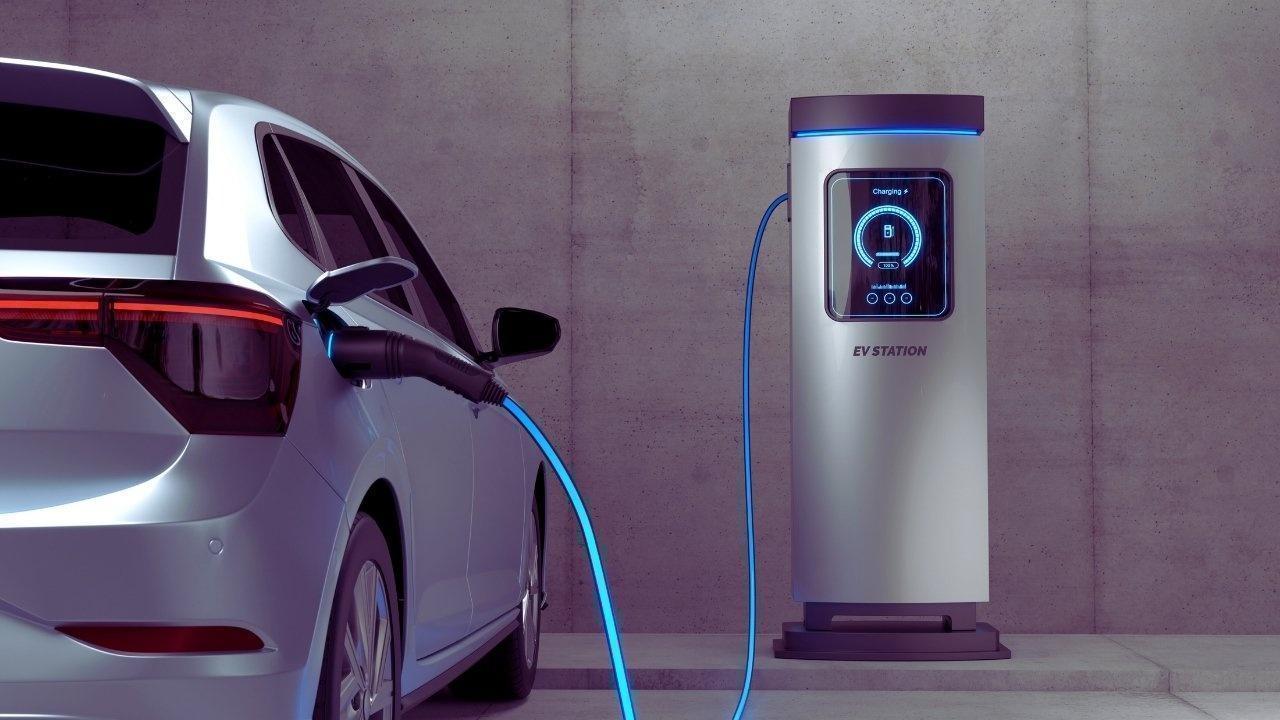
Recent announcements reveal a wave of strategic alliances between electric vehicle (EV) charging network operators and mobile app developers. For city drivers, who face challenges like traffic congestion and limited parking, these partnerships come at a crucial time. They promise improvements in charging station navigation, payment processes, reservation options, and overall accessibility.
Urban EV charging has traditionally faced obstacles such as low station availability, fluctuating pricing, and a variety of app complexities. The newly formed partnerships aim to alleviate these issues by offering an integrated experience, featuring comprehensive station mapping, unified payment systems, and immediate booking capabilities tailored for urban environments.
This article delves into the specifics of these new partnerships, the expected benefits for urban EV users, and broader implications for urban transport policies and charging network expansion.
Overview of the New Partnerships
The partnerships announced this week largely exhibit two main trends: (1) charging network companies collaborating with third-party apps for enhanced mobility or payments, and (2) navigation and rideshare applications incorporating EV charging functionalities. Key features of these collaborations include:
-
Comprehensive station discovery via partner applications, complete with mapping data, filters (for fast or destination chargers), and real-time availability.
-
Reservation or queue-join capabilities enabling drivers to book charging slots in advance or await their turn, immensely useful in urban core areas.
-
Unified payment options across different charging networks through a single app, streamlining the user experience.
-
Real-time pricing clarity, displaying costs per kWh, potential parking fees, idle charges, and projected total expenses prior to charging.
-
Location-based promotions, such as discounts during off-peak hours or rewards for regular users.
-
Data sharing between app providers and charging network operators to enhance understanding of user habits and infrastructure requirements.
Drivers should be aware that these partnerships will be implemented gradually; full integration may not be available at all chargers immediately.
Why Urban Drivers Should Take Notice
Urban EV drivers encounter distinct challenges unique to city driving, which these partnerships address effectively.
Reducing Range Anxiety
Although range concerns are popularly linked to extended road trips, urban driving also creates range pressure due to congested routes and varied accessory use. Enhanced station visibility and reservation options can reduce this stress.
Efficient Space Utilization
Charging locations in urban settings often compete for curbside or garage space. Being able to book a charging slot aids drivers in avoiding situations where they arrive only to see the space occupied.
Streamlined Payment Processes
Existing varied charging network apps have frustrated urban users. A single app simplifies transactions across networks.
Transparent Pricing Structures
Urban charging stations may come with elevated costs; real-time visibility allows drivers to compare and avoid unanticipated fees.
Integration with Urban Mobility
Integration of charging slots with parking and public transport options enriches functionality, especially beneficial in heavily congested cities.
Feedback for City Policies
By sharing data, municipalities can enhance their charging station deployment strategies, facilitating quicker access in areas experiencing high demand.
In summary, for urban drivers balancing work, errands, and parking, these collaborations offer the promise of smoother logistics.
Points of Caution
Despite the positive nature of these announcements, urban drivers should be cognizant of several concerns.
Station Coverage and Initial Integration Challenges
Not every charger will be fully integrated during the rollout. Certain charger types may not support real-time updates from the outset. Ensure your primary charging station is included in the app’s network.
Reality of Reservations vs. Access
A reservation may not guarantee immediate access if enforcement of charger regulations is lax, allowing non-EV vehicles to obstruct access.
Complex Pricing Structures
Urban chargers might still include various fees. Drivers must assess full cost estimates instead of relying solely on kWh pricing.
Potential App Issues and Updates
Users can expect potential glitches with new digital integrations, such as inaccurate charger availability or system discrepancies.
Risk of Network Dependency
While a unified payment approach is expected, some networks may impose membership requirements, especially outside urban centers, warranting price checks across networks.
Data Privacy Concerns
The increased data sharing among apps, networks, and city authorities necessitates a review of how personal data is managed and utilized.
Infrastructure Constraints Persist
Despite improved software, physical limitations such as charger availability remain. These partnerships enhance overall access but do not resolve hardware shortages in dense urban environments.
Maximizing Benefits for Urban Drivers
For city drivers, taking practical steps will help them leverage the new app integrations efficiently.
Install the App Beforehand
Download the relevant application prior to your need. Set up your payment information and familiarize yourself with its functionalities.
Update Favourites for Frequent Stations
Mark your common charging locations within the app and observe how promptly availability updates.
Examine Complete Costs Before Charging
Assess all potential fees before plugging in, including charges per kWh or minute.
Leverage Off-Peak Rates
Many charging networks offer discounts during off-peak times; take advantage of these opportunities.
Plan for Alternatives
Do not solely rely on an app for charger availability; familiarize yourself with alternate charging options nearby.
Stay Updated on App Developments
As new features are introduced, be sure to receive notifications and provide feedback on station data accuracy.
Be Wary of Data Permissions
Review app permissions to maintain your privacy regarding location and usage.
Share Feedback on Local Issues
If charging spots appear available in the app but are frequently occupied, report those discrepancies to enhance service reliability.
Implications for Urban Mobility
These partnerships extend beyond individual convenience, signalling a shift in how urban mobility can evolve.
Boosting Charging Station Rollout
As app usage data is analyzed, planners can prioritize locations for new charging stations, improving accessibility.
Simplifying Multimodal Travel
Apps may eventually connect charging, parking, and public transport, enhancing trip efficiency.
Adapting Dynamic Pricing Models
With instant booking features, pricing structures may shift based on demand, resulting in cost variations throughout the day.
Alleviating Street Congestion
When more drivers utilize apps for reservations rather than searching for available chargers, urban congestion may decrease.
Environmental Impacts
Improved operational efficiencies can lessen idle times, contributing to lower emissions from EVs.
Opportunities for Innovation
Startups innovating in analytics and reservation technology are likely to thrive in this evolving landscape.
As urban mobility transitions, these partnerships serve as a foundational element for smarter charging integrations.
Daily Life Example of an Urban EV Driver
Consider Sarah, a daily EV driver in a bustling city.
-
Morning commute: After receiving an alert via her app, she secures a fast charger near her workplace, allowing her to grab coffee while charging.
-
Midday errands: While downtown, she opts for a discounted charger using the app, saving time and money during her shopping trip.
-
Evening social outing: Ahead of her dinner plans, she books a nearby charging spot, ensuring a seamless return.
-
Weekend trip: The app features a partner network outside the city, enabling her to plan trips without charging apprehensions.
For Sarah, the changes result in greater peace of mind, streamlined planning, and more efficiency in her daily routine.
Final Thoughts
The recently announced EV-charging app partnerships represent a pivotal advancement in urban transportation infrastructure. For city residents with EVs, the benefits are tangible, with improved charger access, simplified payment methods, and enhanced integration into everyday life. However, users must be mindful of potential challenges like coverage limitations and data security as these systems become mainstream.
As these initiatives unfold, early adopters among urban drivers can expect to reap substantial rewards. Over time, these changes will reshape urban charging norms, influencing both infrastructure management and the overall experience of driving electric vehicles in cities.
If you navigate urban streets with your EV, now is the time to engage with these new app functionalities, adapt your charging habits, and discover a more integrated driving experience.
Disclaimer:
This article serves educational and informational purposes and should not be considered financial or technical advice. Urban drivers must verify compatibility and charger network coverage in their specific areas.


 English