Post by : Anis
Al-Rashid
Why Makar Sankranti is Significant in India
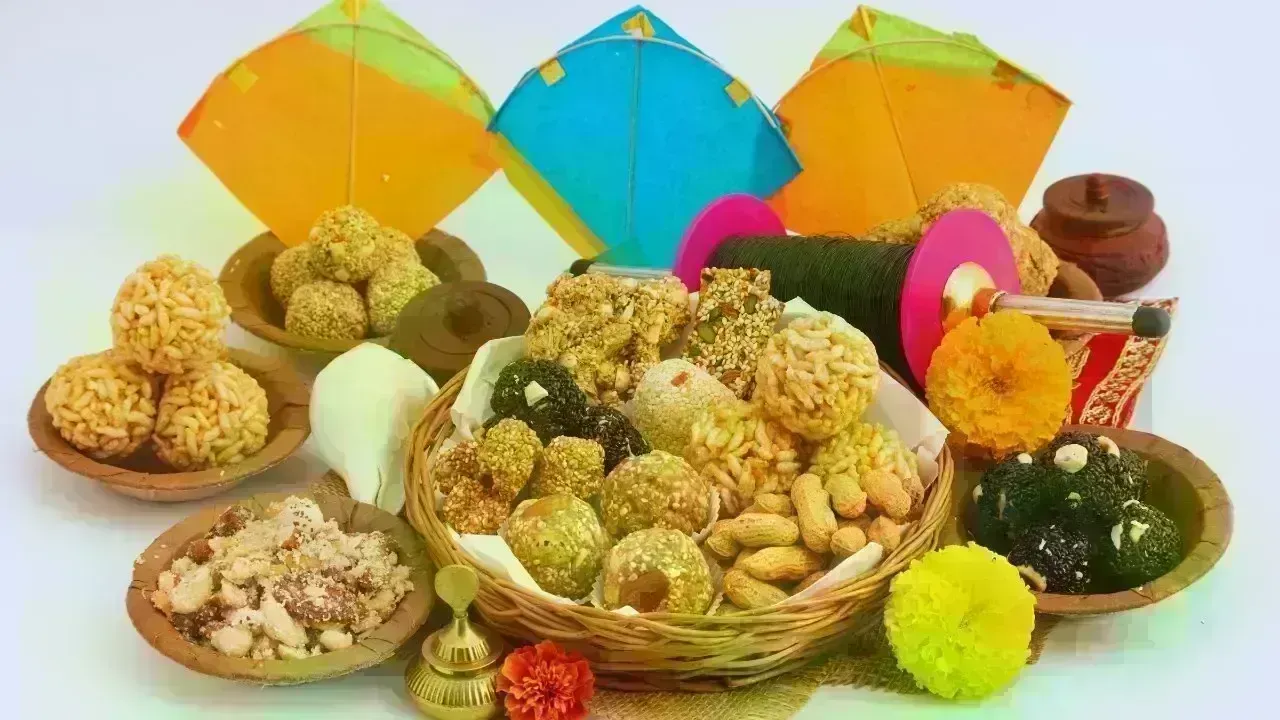
Makar Sankranti is uniquely positioned among Indian festivals, being aligned with the solar calendar rather than the lunar cycle. Occurring annually in mid-January, it marks the sun’s northward journey—termed Uttarayan—which holds great auspicious value in Hindu culture. This time also indicates the conclusion of the winter harvest, symbolising a season of gratitude and hope.
The festival's adaptability to regional customs while retaining its essence is truly noteworthy. Nationwide, this solar event manifests through various names, cuisines, rituals, and community practices. Some regions celebrate with kites in the sky, while others gather by rivers for sacred traditions or focus on home-cooked harvest feasts. Each celebration illustrates India's rich cultural tapestry unified by a common seasonal rhythm.
Here are six spectacular locations that encapsulate the spirit of Makar Sankranti in unforgettable ways.
Ahmedabad: Sky-filled Celebrations
Kite Flying Culture
In Ahmedabad, Makar Sankranti is synonymous with kite flying, transforming the city into an open-air festival, where rooftops become gathering places and skies are filled with vibrant kites. From dawn until dusk, individuals of all generations engage in friendly competitions, cheering as kites rise, dip, and glide through the air.
Kite flying here extends beyond leisure; it embodies a rich cultural expression. Families prepare in advance by gathering kites and glass-coated threads. Conversations resonate across rooftops, fostering community spirit.
Food and Community Spirit
Culinary traditions play a significant role in Ahmedabad’s Sankranti festivities. Houses bustle with the preparation of traditional winter recipes using sesame, jaggery, and seasonal produce. Shared meals strengthen community bonds, epitomising the festival's essence.
As evening approaches, glowing lanterns and music amplify the celebratory mood, offering an inviting atmosphere that is both vibrant and cozy. For visitors, Ahmedabad presents one of the most visually stunning experiences of Makar Sankranti.
Chennai: Pongal Celebrations Amidst Harvest Spirit
A Multiday Festival
In Tamil Nadu, Makar Sankranti manifests as Pongal, a multi-day festival demonstrating profound reverence for agriculture and nature. Unlike a single day of celebration, Pongal gradually unfolds, allowing families to perform rituals honoring the land and livestock, reinforcing community ties.
Homes are adorned and cleaned, and intricate kolam patterns adorn doorsteps, symbolising blessings and prosperity. These aesthetic customs reflect a festival rooted in gratitude and unity.
Cooking Pongal: A Meaningful Ritual
One of Pongal’s most significant moments is the preparation of the dish itself. Rice, milk, and jaggery are cooked outdoor in clay pots, bringing families together. When the pot overflows, it signifies abundance and good fortune.
In Chennai, this ritual connects urban life to agricultural traditions, prompting individuals to pause and appreciate the natural cycles sustaining life.
Jaipur: A Festival of Heritage and Kites
Kite Flying Against Historical Backdrops
Jaipur provides a distinctive Makar Sankranti where the kite flying spectacle unfolds against a backdrop of forts and palaces. The blend of ancient architecture with vibrant kites creates a stunning visual specifically characteristic of Rajasthan.
Residents gather in traditional attire on terraces, infusing cultural essence into the festivities. The thrill of kite flying intertwines with ritualistic temple visits, making the day both lively and solemn.
Social Bonds and Culinary Traditions
Sweets made from sesame and jaggery are exchanged as symbols of hospitality and goodwill. These culinary practices accompany greetings that highlight harmony and new beginnings.
For visitors, Jaipur's Sankranti celebrations offer insights into the harmonious coexistence of royal heritage and daily customs, revealing a rich tapestry of history and festivity.
Patna: The Essence of Khichdi Parv
Simplistic Tradition
In Patna, Makar Sankranti is commemorated as Khichdi Parv, focusing on simplicity, nourishment, and devotion. The day commences with early morning prayers, where devotees seek blessings for well-being and abundance.
The festival’s emphasis pairs with the creation of khichdi, a humble dish of rice and lentils, symbolizing warmth during the winter’s chill.
Acts of Charity and Sharing
Khichdi Parv also promotes charity, with many families donating food and essentials to those in need. This reinforces the festival’s spirit of compassion and social consciousness.
Patna's interpretation of Makar Sankranti shines through its quiet dignity, offering visitors a meaningful experience rooted in spirituality rather than grand displays.
Prayagraj: Spiritual Depth and Sacred Waters
Ritual Importance of the Holy Dip
Prayagraj stands out as a significant spiritual destination for Makar Sankranti. On this day, crowds gather at the Triveni Sangam to take a sacred dip, believed to erase sins and confer spiritual merit.
The environment buzzes with devotion, marked by prayers, chants, and introspection. Pilgrims rise before dawn to honor rituals passed down through the ages.
A Living Spiritual Experience
Makar Sankranti at Prayagraj often coincides with large religious congregations, transforming the riverbanks into bustling centers of spiritual activity. For visitors, this experience offers a profound glimpse into India’s enduring faith and collective spiritual life.
Udaipur: Serenity and Tradition by the Lakes
Intimate Celebration
In contrast to the high-energy kite events of larger cities, Udaipur’s Makar Sankranti is more personal. Families engage in rituals at home, share festive meals, and partake in leisurely kite flying.
The lakes and palaces lend a tranquil ambiance to the festival, inviting travelers seeking cultural depth away from the crowds.
Cultural Harmony Amidst Scenic Beauty
Udaipur’s celebrations reflect a balance between joyous activities and spiritual customs, culminating in an atmosphere that is both celebratory and peaceful. This city invites visitors to immerse themselves in the festival while appreciating Rajasthan’s rich artistic heritage.
Common Threads in Regional Celebrations
Seasonal Foods and Their Significance
Throughout India, dishes featuring sesame, jaggery, rice, and sugarcane are staples during Sankranti. Chosen for both seasonal availability and symbolic connections to warmth, sweetness, and prosperity, food acts as a means for communities to convey care and generosity.
Celebrating the Sun and New Beginnings
Makar Sankranti fundamentally honors the sun’s life-sustaining energy. Rituals vary across regions, reflecting a shared reverence whether through cooking offerings, temple observances, or river ceremonies.
Despite regional differences, the overarching theme of this festival is renewal—of seasons, relationships, and collective aspirations.
Travel Tips for Experiencing Makar Sankranti
Advance Preparation
As the festival draws large crowds in specific locations, timely planning is crucial. Accommodations and transport typically fill up quickly, notably in cities renowned for grand celebrations.
Understanding Local Customs
Respectful participation in local traditions enriches the experience. Observing rituals, dressing appropriately, and engaging courteously with locals enhance visitors' immersion in the festivities.
Conclusion: Celebrating a Multi-faceted Festival
Makar Sankranti exemplifies how a singular astronomical phenomenon can fuel diverse cultural interpretations. From Ahmedabad's vibrant kite-filled skies to Prayagraj's holy waters, each location reflects a unique prism of the festival's essence.
Collectively, these six regions beautifully mirror India’s extraordinary ability to maintain traditions while celebrating diversity. For travelers, experiencing Makar Sankranti here is not merely about observing a festival; it’s about appreciating the rhythms, values, and shared experiences that shape Indian culture.
Disclaimer:
This article serves as a cultural reference. Festival timings and practices may vary yearly; readers are advised to confirm local details before travel.


 English