Post by : Shakul
In a pivotal moment for global security, Germany and Japan are reevaluating their longstanding defence approaches. Analysts suggest that this pivot signifies the most profound shift in military strategy since World War II. For many years, both nations adhered to a pacifist stance, focusing instead on economic revival and international trade. Nevertheless, changing geopolitical landscapes are prompting a transition toward a more assertive defence posture.
Post-World War II, both Germany and Japan implemented strict military constraints, prioritizing economic growth alongside security partnerships, primarily with the United States. This relationship enabled both to concentrate on rebuilding their economies while ensuring security through alliances.
Recent years have brought significant changes to the global security landscape, with rising geopolitical tensions and regional disputes exposing the limitations of reliance on external alliances. Consequently, both countries now find it necessary to adopt self-reliant defence strategies, aware that external alliances may not suffice for long-term stability.
Germany is making notable strides in fortifying its military capabilities, aspiring to establish one of Europe's most advanced conventional forces. This initiative is part of a broader strategy to solidify Germany's role as a cornerstone of European security in addressing regional threats.
A fundamental component of Germany's approach is its commitment to robust defence spending, aligning with NATO's guideline of dedicating at least 2 percent of GDP to military needs. This initiative ensures ongoing investment in military upgrades, enhancing technological prowess and operational readiness for a more agile response.
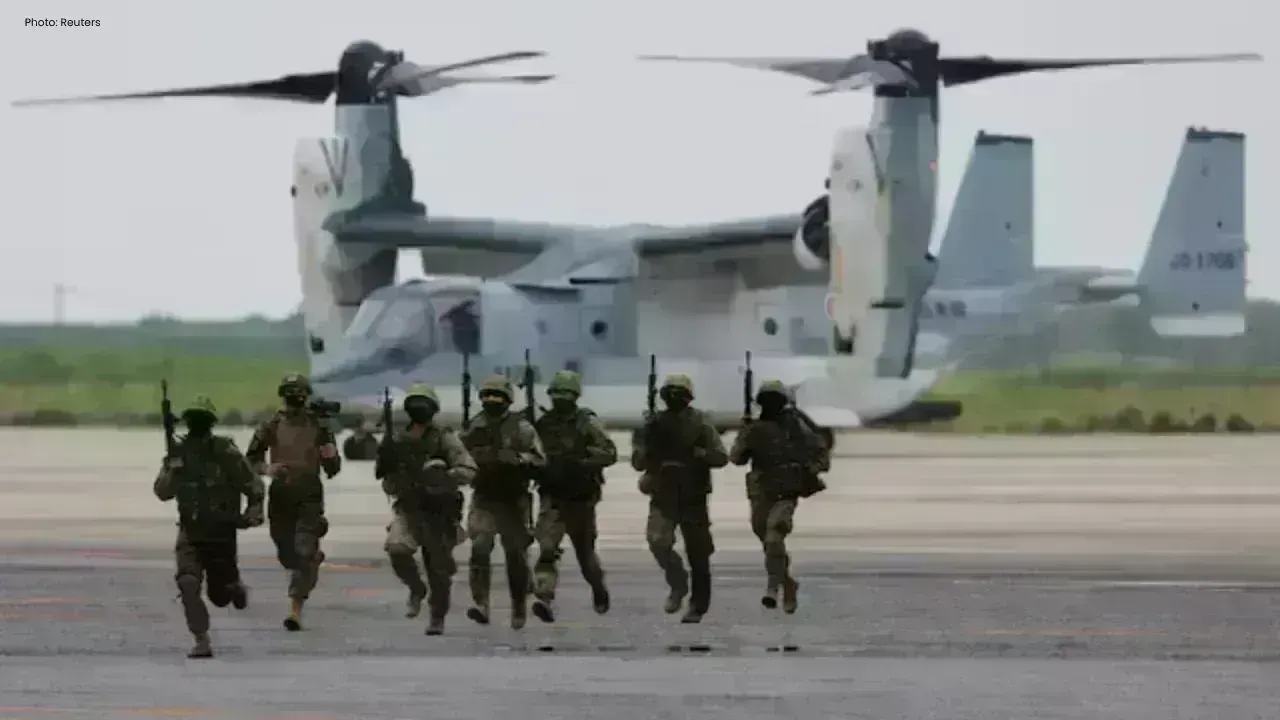
Simultaneously, Japan is pursuing a groundbreaking shift in its defence policy by removing restrictions on the export of arms, a significant deviation from its historical pacifism. This strategy permits Japan to engage more actively in the global defence sector and deepen collaboration with international allies.
Japan is also drastically increasing its defence expenditure and developing advanced capabilities, driven primarily by security concerns arising from China and North Korea in the Indo-Pacific. This includes initiatives in joint defence projects and strengthened partnerships to bolster its strategic foothold.
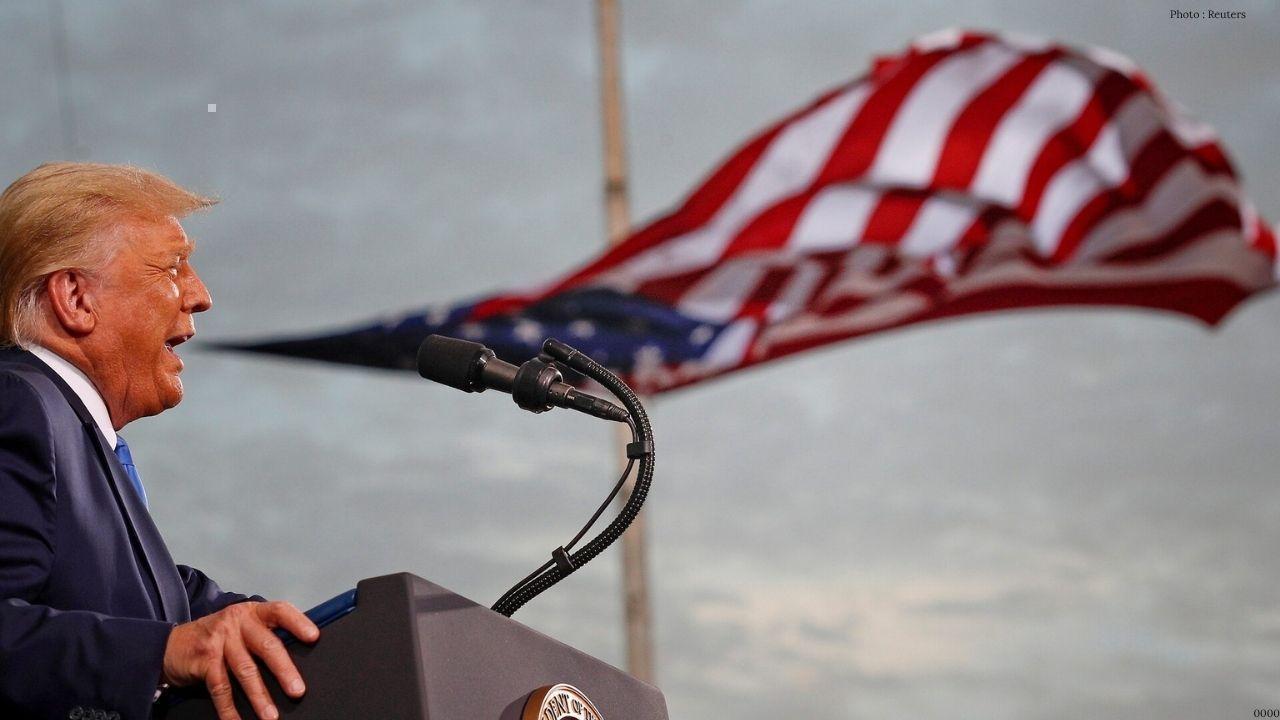
In the context of evolving global security, the nature of the United States’ role is also changing. While it remains a formidable military presence, Washington is urging its allies to adopt more responsibility for their defence strategies. This realignment encourages nations like Germany and Japan to enhance their military readiness.
The military advancements of both Germany and Japan are set to alter the global power dynamics significantly. While aimed at boosting national and regional safety, these developments spark concerns over rising militarization and potential conflicts. Experts caution that such shifts could introduce fresh challenges, particularly in politically delicate regions like Europe and East Asia, as the global landscape becomes increasingly multifaceted.


 English