Post by : Anis
Al-Rashid
Traditionally, India has long been known for its agricultural heritage, deeply entwined with the rhythms of the seasons and generational farming wisdom. However, as it continues to emerge as an economic powerhouse, the agricultural sector is at a critical juncture.
Modern agriculture now harnesses the power of drones for monitoring fields, while soil conditions are assessed through advanced sensors instead of just manual checks. Decisions are increasingly backed by data analytics rather than solely by historical practices. Young farmers are embracing technology, using farming apps and treating their fields as innovative enterprises.
This technological shift seeks to enhance, rather than replace, traditional practices. By integrating technology, Indian farmers are minimizing risks, boosting productivity, enhancing soil health, conserving water, and securing profits. This quiet yet impactful transformation is sustainable and forward-looking.
The farms of the future are becoming a reality today, characterized by intelligence, connectivity, efficiency, and climate responsiveness.
Reasons for Technology Adoption in Indian Agriculture
Adapting to Climate Changes
Unpredictability in rainfall patterns and extreme weather events strongly affect farming accuracy, making tech solutions critical for better forecasting and protection.
Inefficient Water Use
With agriculture consuming a large portion of India’s freshwater resources, precision irrigation technologies are vital for conserving water.
Land Fragmentation
With land often subdivided among family members, micro-farming techniques have become crucial to maintain productivity.
Increasing Costs of Agriculture Inputs
The rising costs of seeds, fertilizers, and labor demand more efficient technological solutions to optimize resource utilization.
Higher Production Demands
A growing population necessitates that farmers adopt smarter, more productive farming approaches instead of just relying on expansion.
Invigorating Young Farmers
Technology has revitalized the farming sector, offering the rural youth a motivated and modern career path.
Drones in Agriculture: Aerial Insights
The Rising Importance of Drones
Drones have become essential for farms, transitioning from traditional surveying methods to innovative aerial data collection.
Benefits of Drones for Farmers
Monitoring the health of crops through aerial imaging
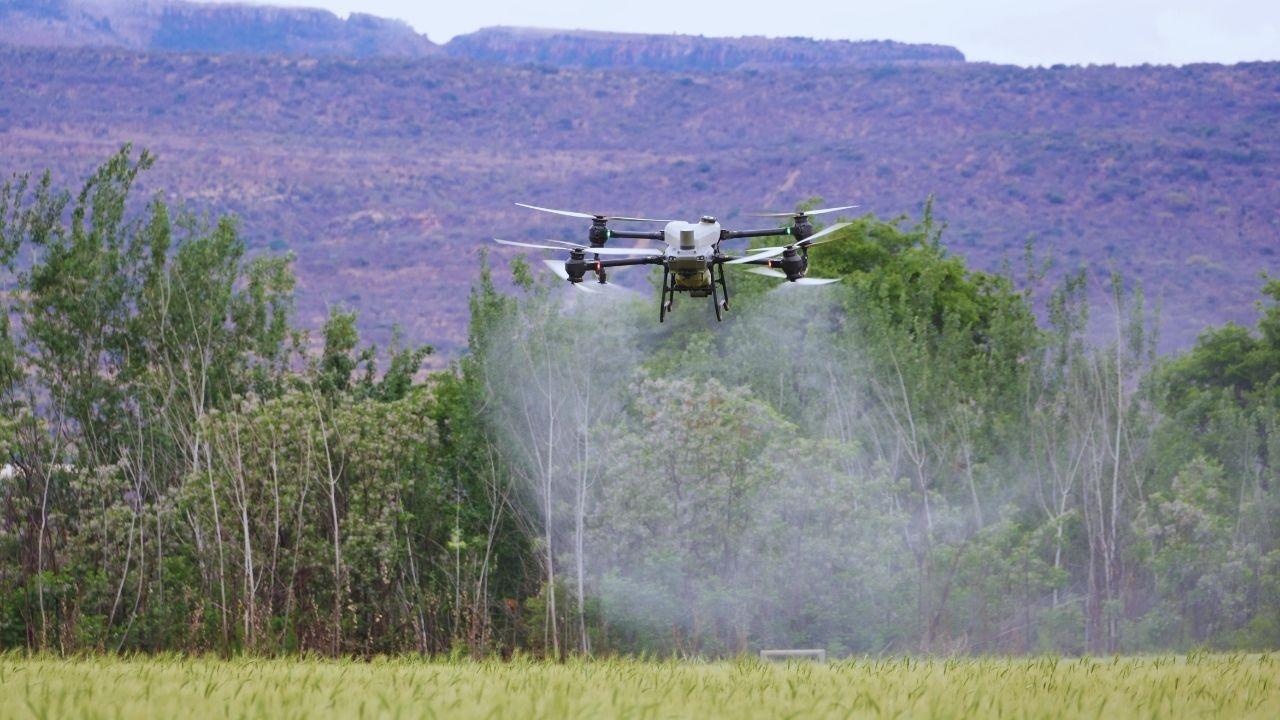
Spraying of pesticides and foliar nutrients efficiently
Accurately mapping field boundaries
Ensuring uniform irrigation
Ddetecting early signs of pest infestations or diseases
Evaluating storm or flood damage levels
Advantages of Integrating Drones
Reduces labor and manual work hours
Limits exposure to chemicals for farmers
Enhances coverage and precision during spraying
Decreases the total pesticide usage
Delivers critical data on plant health
Improving Safety & Efficiency
Today's farmers access insights that were once exclusive to large agritech firms. A single drone can scan vast areas rapidly, allowing farmers to safeguard crops worth substantial investments.
Soil Sensors & Smart Irrigation: Connecting with Nature
Functionality of Soil Sensors
Soil sensors provide measurements for:
This data can be accessed via a mobile application, offering farmers real-time insights into crop necessities.
Intelligent Irrigation Options
Innovative irrigation systems facilitate:
Drip and micro-drip irrigation methods
Automated irrigation schedules based on real-time data
Moisture-responsive activation techniques
Efficient distribution of water
Significance of Smart Irrigation
Conserving water resources
Promoting healthier plants
Ensuring steady crop yields
Minimizing fertilizer waste
Enhancing soil biological activity
Recognizing Soil as a Living Ecosystem
Farming in modern India acknowledges soil as a crucial ecosystem, where technology is vital for sustaining its health.
Micro-Farming: Expanding Productivity in Limited Spaces
Understanding Micro-Farming
Micro-farming entails cultivating high-value crops in limited areas using advanced techniques.
Techniques Encouraging Micro-Farming
Vertical farming methodologies
Edible micro-green systems
Hydroponics and aeroponics setups
Terrace gardening and small home plots
Compact greenhouse frameworks
Drip-line systems and UV shelters
Empowering Modern Indian Farmers
Given the urbanization and division of land, micro-farming supports:
City farmers
Rural youths with limited land
Retirees seeking additional income
Women-led initiatives and self-help groups
Schools and local community organizations
Crops Successfully Cultivated in Micro-Farms
Microgreens
Leafy greens such as lettuce and spinach
Small tomatoes
Herbs including mint and basil
Mushrooms
Strawberries cultivated in cooler environments
Aromatic plants
Micro-farming effectively brings food closer to consumers and income closer to families.
Smart Farm Management & Automation
Utilizing Sensors & IoT in Farming
Modern farms are equipped with:
Weather prediction devices
Automated irrigation systems
Intelligent fertilizer dispensers
Livestock health trackers
Farm monitoring systems
Data-Driven App Solutions
From selecting seeds to pricing at harvest time, apps guide farmers through each stage. They receive notifications about:
AI-Based Agricultural Decisions
Artificial intelligence aids farmers in:
Selecting optimal crop varieties
Projecting yield outcomes
Identifying stress in crops early
Preventing early-stage pest incidents
Innovative Greenhouses
With controlled environments and automated climate conditions, these advanced setups are designed for premium crop production.
A New Type of Farmer: Tech-Savvy and Business-Oriented
Farming as a Business Venture
Today's young farmers engage in:
Participating in technology workshops for agriculture
Consuming farming-related media online
Joining farming community groups on platforms like WhatsApp and Telegram
Directly selling their produce to customers
Creating brands focused on organic produce and hydroponics
Rural Startup Landscape
Rural entrepreneurship is blossoming through initiatives like mushroom farms, hydroponic systems, and drone servicing businesses.
Women Leading Agricultural Innovation
Women are pioneering areas such as terrace farming, microgreen production, floral cultivation, dairy management, and market integration.
Focus on Sustainability & Climate-Conscious Practices
Technologically Enhanced Sustainable Practices
Crop rotation scheduling applications
Monitoring soil health
Utilizing composting and bio-fertilization methods
Implementing water reuse systems
Planning for rainwater harvesting
Reducing Dependence on Chemicals
Targeted spraying and predictive alerts help minimize chemical reliance, preserving both soil and health.
Building Climate Resilience
Technological tools assist farmers in selecting drought-resistant seeds and managing irrigation effectively during dry spells.
Future Challenges
Access to Technology
Differing levels of access to hardware and digital tools between rural regions pose challenges.
Ongoing Training Requirements
Farmers will require continued support and skill development to successfully integrate new technologies.
Affordability Issues
The cost of devices and systems must remain manageable or subsidized to ensure widespread adoption.
Power Supply & Connectivity
The availability of reliable electricity and internet services is still a barrier in numerous localities.
Looking Forward: The Future of Agriculture 2.0
Innovative Developments on the Horizon
AI-driven automated machinery
Self-operating tractors and sprayers
Monitoring crop insurance via satellite
Using blockchain for farm record-keeping
Precision devices for livestock management
Large-scale drone-assisted crop planting
Community Cooperatives for Farmers
Fostering tech hubs within communities for sharing resources will enhance technology uptake.
Collaborative Efforts Between Government & Startups
Regulatory support, subsidies, training programs, and agritech acceleration centers will facilitate smoother transitions.
Global Agricultural Influence
The innovation emerging from India’s agriculture sector is garnering international attention, poised to influence global food production systems.
Final Thoughts
Indian fields are undergoing a remarkable transformation, evolving into intelligent, data-driven, and environmentally conscious ecosystems. With the advent of drones hovering over fields, moisture sensors guiding irrigation, and the rise of urban micro-farms, a novel vision for agriculture is taking root.
This change transcends merely augmenting yields; it embodies respect, environmental stewardship, livelihood sustainability, and empowering farmers with the tools befitting their invaluable contributions. A future of skillful, environmentally intelligent agriculture is not just on the horizon; it is blossoming today, row by row, byte by byte, and seed by seed.
Disclaimer
This article addresses transitioning trends in agriculture. The effectiveness of technology and its impact may differ across various locations and resources. Farmers are encouraged to assess local conditions and seek expert advice before adopting new technologies.


 English