Post by : Sami
Al-Rahmani
Transforming Eating Habits: The Impact of Food Delivery Apps
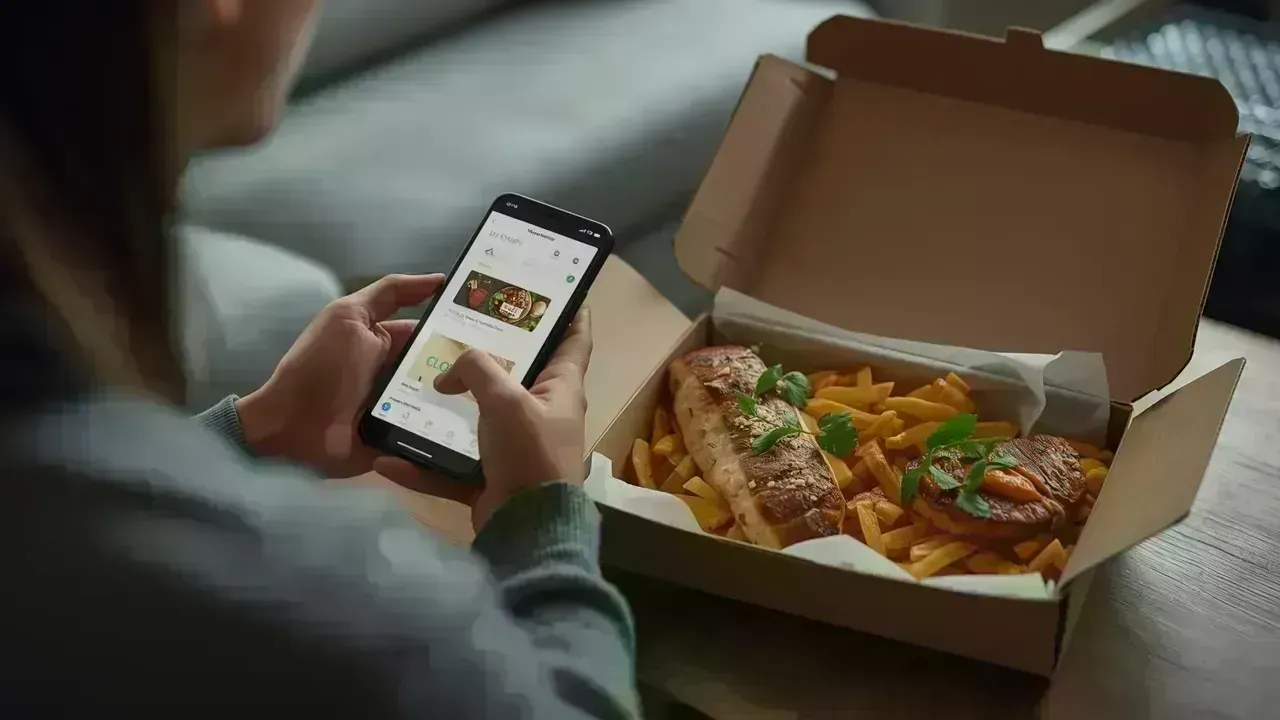
Food delivery applications have fundamentally altered the way individuals consume food and make meal choices. What started as a simple convenience for busy evenings has become a significant change in eating patterns, affecting nutrition, meal timing, cultural variety, and mental well-being. Users ranging from students to families now heavily rely on these platforms for their everyday meals.
This article delves into how food delivery apps are transforming eating habits, including both beneficial and harmful consequences, and explores their implications for long-term lifestyle.
The Emergence of an On-Demand Eating Culture
Food delivery services have fostered an environment where meals are accessible whenever and wherever, often in less than 30 minutes.
Impulse Eating Over Pre-planning
Traditional meal preparation required:
Grocery shopping
Time for cooking
Prior decision-making
With delivery apps, all these steps are bypassed, resulting in:
Decreased planning
Impulse-driven choices
Eating based on cravings rather than actual hunger
Food is no longer something one prepares—it's something to browse and choose.
Convenience Fuels Increased Frequency
Many users are now ordering food:
Altering Meal Timings and Eating Routines
Food delivery apps have shifted when people eat in addition to what they consume.
Late-night and Unconventional Meals
With round-the-clock delivery services:
Late-night snacking has risen
Dinner times are often pushed back
Midnight meals are frequent among young adults
This irregularity disrupts digestion, sleep patterns, and metabolic health.
Skipping Traditional Meals
Many users bypass breakfast or lunch knowing they can order food later. This results in:
Prolonged intervals between meals
Overindulgence during delivery meals
Loss of nutritional balance throughout the day
Apps encourage eating based on accessibility rather than routine.
Portion Sizes and Overeating
Restaurant servings generally exceed those of home-cooked meals.
Portion Distortion from Apps
When cooking at home, portion sizes are more easily managed. Meals ordered via apps often come with:
Combo Offers and Promotions
Delivery platforms frequently entice users with:
The Emotional Toll of Choice Overload
Food delivery services provide countless options in mere moments.
Burnout from Decision-Making
Continuous exposure to various choices often brings about:
Anxiety while selecting meals
Quick, often unwise choices
Preference for familiar, less healthy options
Instead of mindful eating, quick selections lead to hasty choices.
Emotional Eating Triggers
These apps facilitate:
Nutritional Changes and Meal Quality
Food delivery platforms significantly determine the nutrients consumers engage with regularly.
Rise in Processed Food Intake
The most commonly ordered foods are:
Decrease in Balanced Homemade Meals
Cooking empowers control over:
Ingredients used
Oil amounts
Sodium levels
Delivery services often forfeit this control, leading to excess:
Sodium
Fat content
Hidden sugars
This cumulative effect can detrimentally impact heart health, body weight, and energy levels over time.
Effect on Traditional Cooking Practices
Food delivery applications are altering the dynamics of how individuals approach cooking.
Decline in Cooking Skills
Heavy reliance on delivery services leads to:
Less proficiency in cooking
Reduced confidence in meal preparation
Young people cooking less frequently
Thus, cooking becomes an occasional endeavor instead of a daily ritual.
Impact on Family Meal Traditions
Preparing meals together often unites families. Increased delivery reliance results in:
Broader Culinary Exposure
Some changes are beneficial.
Access to Varied Cultures and Cuisines
Food delivery apps broaden users' experiences with:
Support for Local Eateries
Numerous small restaurants depend on delivery apps to:
Health Implications Over Time
Long-term habits associated with delivery impact health outcomes.
Weight Gain and Metabolic Risks
Regular orders correlate with:
Increased calorie consumption
Lower physical activity
More sedentary lifestyles
Collectively, these factors heighten the chance of obesity and related health issues.
Decreased Mindful Eating Practices
Engaging with delivery while distracted, such as watching screens, can lead to:
Influence of Algorithms on Choices
Food delivery apps leverage algorithms that aren't unbiased.
Tailored Recommendations
Algorithms often favor:
Behavior Shaped by Discounts
Limited-time promotions determine:
Opportunities for Positive Change Through Apps
While there are concerns, these platforms can foster healthier choices if utilized wisely.
Access to Nutritious Options
Many apps now feature:
Meal Planning for On-the-Go Lifestyles
For those pressed for time, delivery apps help avert:
The Importance of User Awareness
The primary element influencing eating habits is how individuals utilize these apps.
Mindful Ordering Practices
Healthy app usage includes:
Minimizing delivery frequency
Selecting well-rounded meals
Avoiding spontaneous orders
Pre-planning delivery days
These tools are meant to assist, not dictate behavior.
Reintegrating Cooking Balance
A blended strategy is optimal:
Cooking at home on most days
Utilizing delivery for convenience or special gatherings
Simple meal preparation alongside occasional orders
Balance ensures health without sacrificing convenience.
Future Outlook on Eating Habits
Food delivery apps will continue their development.
Possible upcoming trends might include:
AI-driven nutrition recommendations
Personalized health assessments for meals
Guided portion sizes
Sustainable packaging solutions
Future eating activities will increasingly hinge on digital food platforms.
Final Thoughts on Delivery Apps and Eating Patterns
Food delivery applications have inevitably influenced eating patterns by enhancing the speed and ease of food access while also introducing emotional dynamics into meal choices. They've diminished cooking frequency, adjusted meal times, enlarged portion sizes, and affected nutritional quality. At the same time, they have broadened access to various culinary experiences.
The ultimate effect hinges on awareness and moderation. When used intentionally, these apps can align with healthy practices. Conversely, without thought, they can undermine nutritional balance and lifestyle.
Today's food choices are more than individual preferences—they are shaped by technology.
Disclaimer
This article is intended for informational purposes and does not provide medical, nutritional, or dietary advice. Eating behavior and health outcomes vary based on personal lifestyle, metabolism, and medical circumstances. Readers should consult qualified healthcare or nutrition professionals prior to committing to significant dietary changes.


 English