Post by : Anis
Al-Rashid
The Shift Towards Prevention
The healthcare landscape in India has seen a profound shift in recent years. Traditionally, families sought medical attention only when illness struck, focusing on reactive health measures. However, rising awareness and technological advancements are steering India into a new era of preventive health at home. This transformation signifies a cultural evolution driven by valuable lessons, reassessed priorities, and an increasing desire for sustainable wellness.
Preventive healthcare is becoming integral to wellness for Indian families, who now emphasize early detection, vital monitoring, and daily habits that reduce the risk of chronic diseases. In light of rising lifestyle-related ailments, this proactive approach has become a necessity rather than an option.
Nonetheless, the progress is uneven. Urban areas are adopting these health tools swiftly, while rural regions continue to grapple with challenges related to access, awareness, and affordability. Understanding these dynamics is vital to truly grasping the future of health in India.
Embracing At-Home Health Screening
Previously, regular medical evaluations occurred in clinics or hospitals, often delayed due to time, cost, or reluctance. Today, however, India witnesses a notable shift as families increasingly opt for at-home screenings.
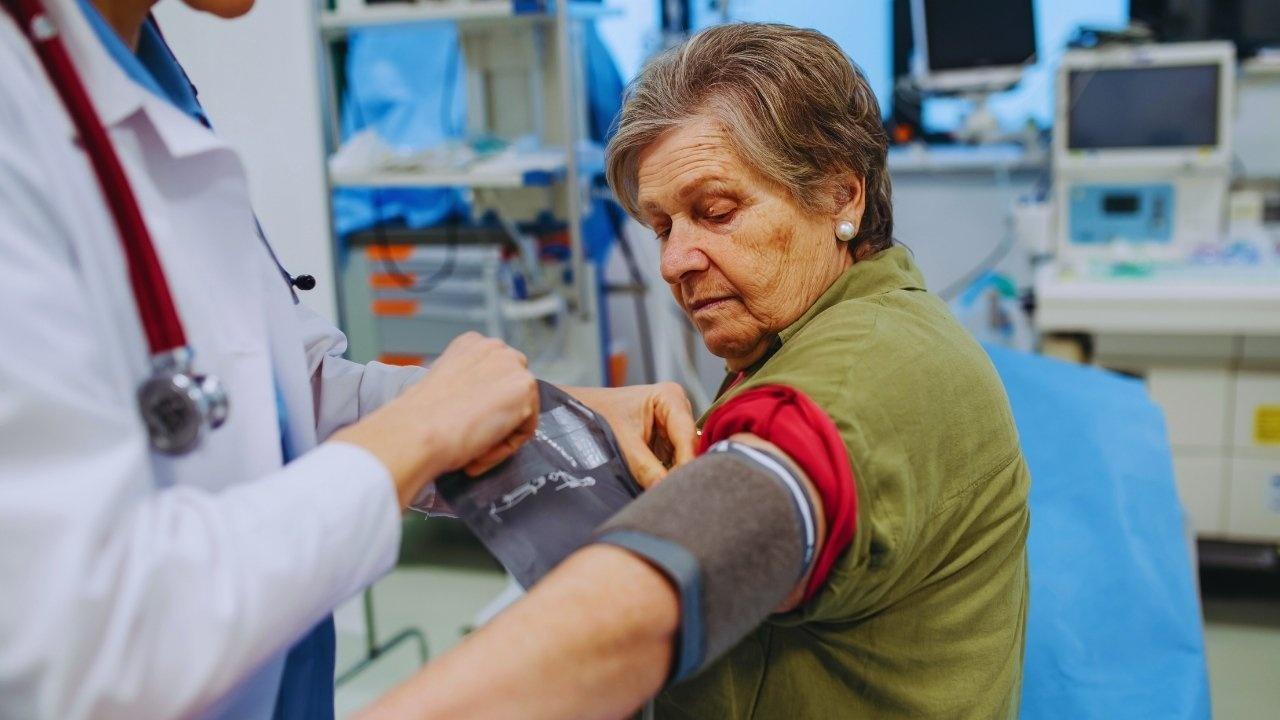
Modern screening tools have become not only affordable but also user-friendly. Devices such as blood-pressure monitors, glucometers, thermometers, and sleep trackers are now commonplace, allowing individuals to monitor vital indicators without leaving home.
This transition is crucial as many chronic ailments can develop silently. Early diagnosis serves as a powerful defense against severe complications. At-home screenings empower families to take early action.
Affordability has played a significant role in this change. A few years past, digital devices were considered costly for many households. Today, increased competition in the health-tech sector has significantly lowered these prices, enabling more families to prioritize their health.
At-home health devices are becoming as essential as kitchen appliances, reflecting a society progressively embracing responsibility and self-awareness.
The Significance of Preventive Health
As lifestyle-related disorders rise, impacted by factors like sedentary lifestyles, stress, and poor diet, preventive health takes center stage in breaking this cycle by advocating continuous monitoring over sudden treatments.
Moreover, the financial burden of hospitalization has become increasingly clear to modern Indians. Early detection not only mitigates long-term costs but also instills a proactive approach to health management. This economic perspective further emphasizes the importance of consistent preventive measures.
It’s essential for families to understand that managing health cannot solely be placed in the hands of the medical community—individual choices play a pivotal role.
Adopting preventive health empowers individuals, enabling them to take command of their well-being.
Building Healthy Habits
Preventive healthcare encompasses not just tools but the foundation of daily habits. By 2025, many Indian households are actively fostering routines conducive to long-term health. These daily practices are crucial for translating preventive care theory into reality.
Consistency is paramount. Individuals now recognize that health is cultivated through minor, everyday actions—be it morning walks, yoga, hydration, or balanced meals. This shift helps reduce stress and promotes overall well-being.
Nutrition has also gained attention. Fresh, home-cooked meals featuring seasonal produce have displaced processed foods in many households where wellness is prioritized.
Moreover, establishing a healthy sleep routine is viewed as essential. Families are increasingly aware of the importance of rest and emotional wellness strategies to fortify mental resilience.
Physical activity has become a family priority. Rather than costly gym memberships, many have found simple ways to incorporate fitness into their routines.
These sustainable habits promote gradual health improvement, and preventive health is thriving as families adopt lifestyle changes.
Digital Health Tools: The New Age of Wellness
The digital revolution is affecting healthcare like never before. Now, families can track vital signs, manage medications, and evaluate health insights through various apps.
Remote consultations have become commonplace, enabling patients, particularly the elderly, to connect with healthcare providers conveniently. With technologies providing timely health updates, individuals gain valuable insights into their health.
These wellness applications complement healthcare professionals by supplying crucial health data, thereby enhancing preventive care.
Addressing the Rural–Urban Divide
While strides in preventive health are evident, significant challenges remain, particularly the rural–urban divide. Urban areas steadily leverage screening tools and digital health solutions, while rural populations often struggle with access and awareness.
Infrastructure deficits in rural regions hinder comprehensive healthcare delivery, as access to crucial screenings is often limited.
Lack of awareness poses another barrier, with many rural residents only seeking medical help when conditions worsen, due to insufficient educational resources.
Affordability remains a pressing issue, as families with unstable incomes may not prioritize health investments.
However, improvement is on the horizon. Initiatives by governmental and non-governmental organizations are raising awareness and providing guidance through community health workers.
As telehealth emerges, the gap between rural and urban healthcare is gradually narrowing, but sustained efforts are necessary to ensure equitable preventive care for all.
Integrating Preventive Health into Family Life
The movement towards preventive health is catalyzing a cultural shift in Indian families. Practices are now shared among family members rather than carried out in isolation.
Parents are keen to instill healthy habits in children early on, while elderly family members receive regular monitoring. Working adults are adjusting their schedules to prioritize wellness, recognizing the significance of preventing burnout.
Open discussions about health within families foster information sharing and motivate collective commitment to resilient lifestyles.
This cultural shift signifies that preventive health is becoming a collective familial value.
The Economic Impact of Preventive Care
Proactive healthcare can alleviate financial strain by minimizing the risk of severe health complications. Monitoring health enables early detection, facilitating simpler interventions.
Well-managed chronic conditions lessen long-term medication costs, making preventive health an economic necessity amid rising medical expenses.
Insurance companies are taking notice, with some providing incentives for individuals engaged in preventive practices, thereby reinforcing the movement.
The Path Forward: Fostering Everyday Wellness
India is at a pivotal point regarding healthcare transformation. Preventive health at home is redefining how citizens perceive wellness, with the upcoming decade focusing on daily routines, early detection, and digital health services.
Key challenges include bridging the rural–urban gap, ensuring affordable screening options, enhanced digital connectivity, and improving health literacy.
Preventive health is not just a response to recent challenges; it serves as a vital framework for the future of healthcare.
Empowering families to adopt routines, regularly monitor their health, and appreciate the significance of prevention will usher in a healthier India.
Conclusion
Preventive healthcare at home signifies a transformative shift within India’s wellness environment. Affordable screening options, habit formation, digital tools, and heightened awareness are revolutionizing health management. While disparities between rural and urban areas remain, the progress made in various regions indicates a positive move towards a culture of proactive health.
This evolution is indispensable not only for individuals but for the holistic health of the nation. As preventive health at home gains traction, it will guide India toward a future defined by collective and conscious wellness.
Disclaimer:
This article serves informational purposes and should not replace professional medical advice. Please consult appropriate health practitioners for personalized guidance.


 English