Post by : Saif
Al-Najjar
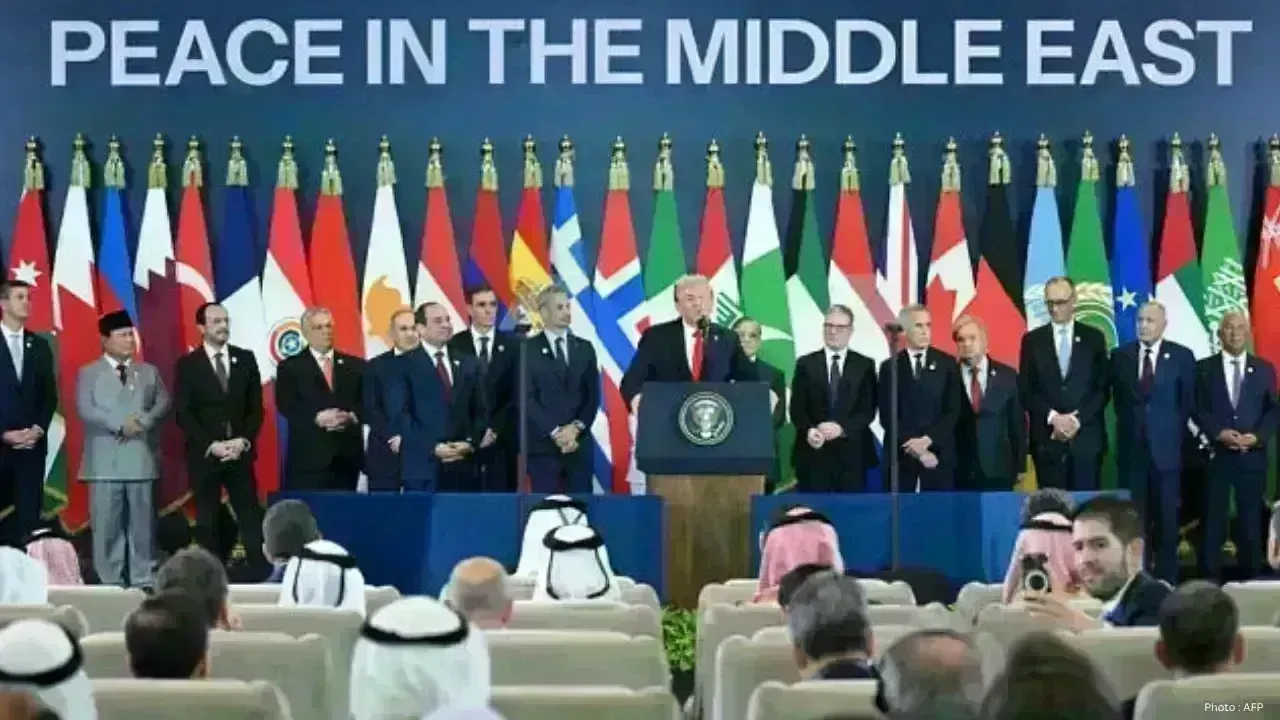
According to a report from The Times of Israel, U.S. President Donald Trump has reportedly urged various Muslim and Arab leaders to pursue diplomatic relations with Israel should a new agreement concerning Iran be reached. This has sparked renewed discussions about shifting political dynamics within the Middle East, where regional powers are navigating security concerns, economic interests, and public sentiment.
The dialogues are said to be linked to a potential renewed understanding regarding Tehran’s nuclear ambitions. While there has been no official confirmation on these private discussions, it is suggested that Trump envisions an Iran agreement as a catalyst for broader Arab acceptance of Israel.
Normalization remains a critical issue in regional politics, particularly since the Abraham Accords were signed during Trump’s presidency. These accords prompted several Arab nations to form official relations with Israel, thereby opening new avenues for trade, tourism, technology collaboration, and defense partnerships.
Proponents of this normalization process argue that enhanced diplomatic relations could mitigate conflict and foster economic growth throughout the region. On the other hand, critics contend that the Palestinian issue risks being sidelined while governments prioritize strategic alliances and security cooperation.
Many Gulf states continue to regard Iran with suspicion, amid ongoing tensions regarding regional influence and armed conflicts. However, several governments also seek to avoid major conflicts that could adversely affect energy markets, investment patterns, and overall economic growth.
The potential for a future nuclear agreement remains delicate. Western nations have long endeavored to restrict Tehran’s nuclear capabilities, while Iranian leaders assert their program is peaceful. Ongoing negotiations facilitated by international mediators have faced numerous delays and political conflicts.
The report has reignited discussions concerning Washington’s role in Middle Eastern diplomacy. During his presidency, Trump strongly endorsed initiatives to enhance relationships between Israel and Arab nations, promoting these accords as pivotal diplomatic successes. His administration asserted that regional collaboration could yield long-term stability.
Nonetheless, many Palestinians and their backers have criticized these policies, claiming they diminish focus on essential issues such as territory, sovereignty, and statehood. Public sentiment in numerous Arab societies remains firmly supportive of Palestinian rights, making it a politically sensitive matter for leaders within the region.
Political analysts assert that any forward movement towards broader recognition of Israel will hinge on various factors, including regional security, economic priorities, and shifts concerning Palestinian leadership. Governments in the Middle East are also closely monitoring Iran-related negotiations, as any agreement has the potential to reshape strategic alliances.
Economic factors are another significant consideration. Several Gulf nations are investing heavily in tourism, technology, infrastructure, and trade diversification in preparation for a future that is less reliant on oil revenues. Diplomatic stability is seen as crucial for attracting foreign investments and expanding regional business collaborations.
Despite increasing political engagement, numerous obstacles remain unaddressed. Ongoing conflicts, humanitarian concerns, and deep-rooted historical divisions continue to shape public debates across the region. Therefore, leaders must find a careful equilibrium between international diplomatic efforts and domestic political realities.
This latest report underscores the intricate ties between discussions on Iran and Arab-Israeli relations. While it remains uncertain whether these conversations will lead to further diplomatic agreements, the developments are indeed shaping political discourse throughout the Middle East.


 English