Post by : Meena
Hassan
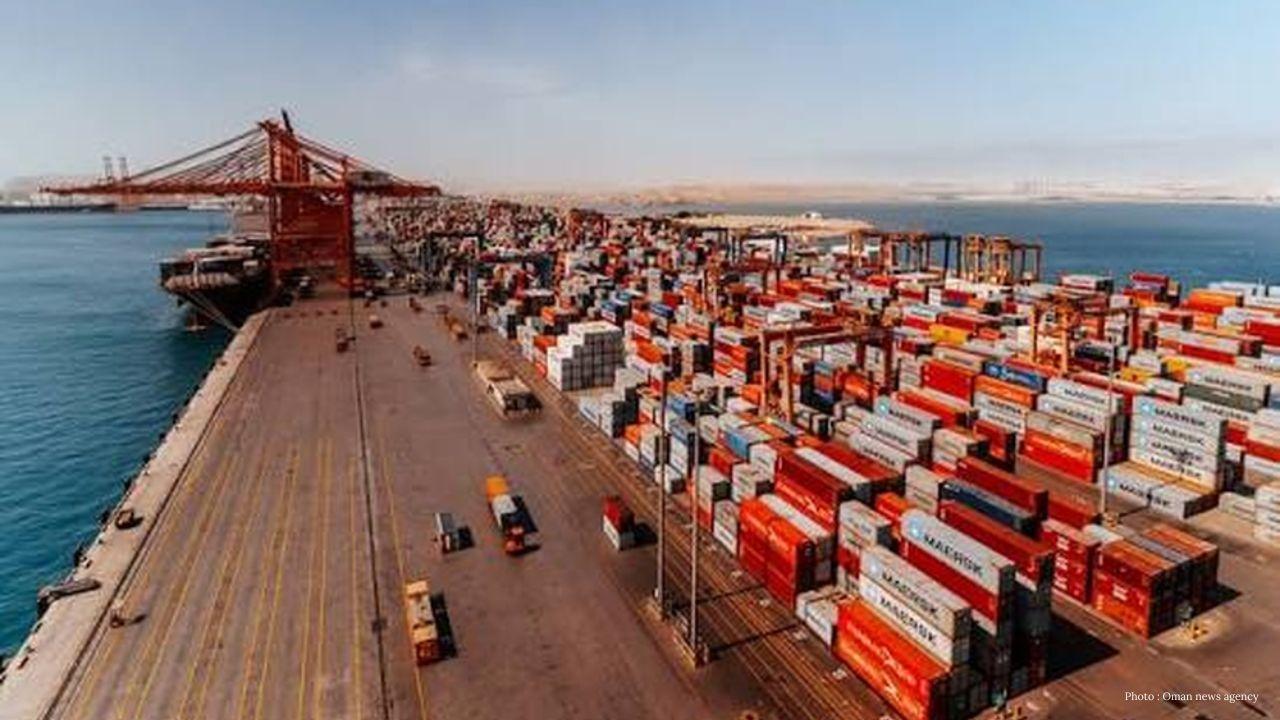
US President Donald Trump has initiated a new wave of trade tariffs impacting eight nations, escalating global tensions as the August 1 deadline approaches. This move was disclosed through several letters posted on Trump’s social media outlet, Truth Social.
The targeted countries are Brazil, Sri Lanka, Algeria, Brunei, Iraq, Libya, Moldova, and the Philippines. Tariffs vary, with Brazil facing a maximum rate of 50 percent. Sri Lanka, Algeria, and Iraq will see 30 percent import duties, while Brunei, Libya, and Moldova are set for 25 percent tariffs. The Philippines has a lower tariff of 20 percent.
In his correspondence with Brazil, Trump accused the nation of engaging in significant injustices, citing alleged censorship and threats to electoral integrity. He expressed continued support for former President Jair Bolsonaro, who has previously contested election results, mirroring Trump’s own political narratives.
These tariff announcements come right after a 90-day negotiation period that initially imposed a basic tariff of 10 percent. Though Trump indicated an allowance for continued negotiations before the August cutoff, he has been clear that countries receiving these notices shouldn't expect further extensions.
Data from the US Census Bureau reveals that America has relatively minor trade imbalances with these nations. The trade gap with Sri Lanka is $2.6 billion, while it stands at $4.9 billion with the Philippines—amounts considered small relative to the $30 trillion US economy. Interestingly, the US boasts a trade surplus of $7.4 billion with Brazil, making the steep tariff on Brazilian imports especially noteworthy.
This latest development follows threats of 25 percent tariffs on Japan and South Korea, intensifying pressure on these long-standing allies to finalize trade agreements. The Trump administration has so far concluded only two trade deals with the United Kingdom and Vietnam.
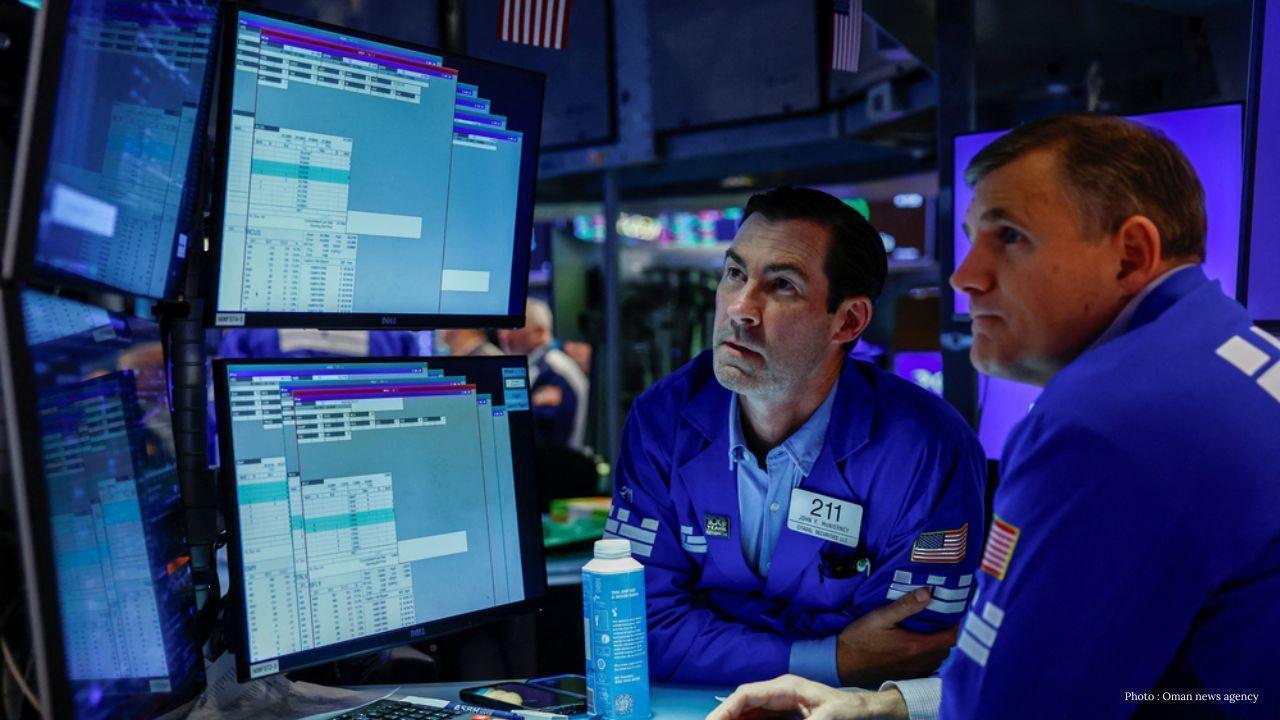
At home, indicators of economic strain are becoming apparent, as the US GDP contracted by 0.5 percent in the first quarter, with job growth decelerating in sectors sensitive to tariffs such as trade and construction. Yet, US stock markets have remained predominantly stable following the announcement.
Trump's renewed tariff strategy signifies a continuation of his bold approach to trade, which continues to have a significant impact on global markets and diplomatic relations.


 English