Post by : Shweta
Following US President Donald Trump's rejection of Iran’s recent proposal seeking to conclude the ongoing Middle East conflict, global oil prices have surged dramatically. This spike in crude oil pricing signals escalating concerns over prolonged tensions between the US and Iran, jeopardizing global energy supplies.
In recent statements, President Trump labeled Iran’s feedback on the US-supported peace initiative as “totally unacceptable.” This remark came after Tehran had formally communicated its response through regional mediators, signaling potential terms for a ceasefire and future discussions.
The immediate aftermath of Trump’s announcement saw a sharp increase in energy market prices. Brent crude climbed above $105 per barrel, while US West Texas Intermediate (WTI) neared $100 per barrel. Analysts warn that the potential for ongoing political strife and military uncertainty poses risks to oil shipments originating from the Middle East.
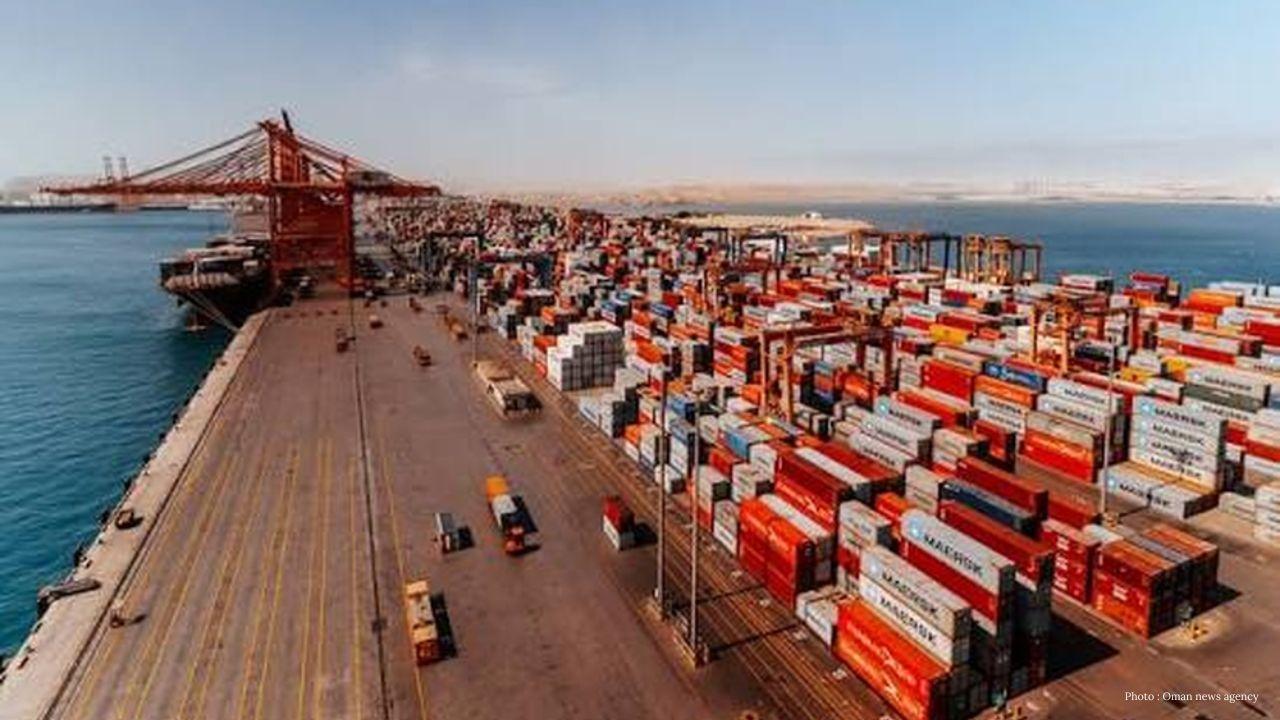
Concerns are particularly acute regarding the Strait of Hormuz, a critical shipping lane facilitating a significant portion of the world’s oil supply daily. Ongoing instability in the region has reportedly caused disruptions in oil movement, exacerbating pressures on global supply chains.
Iran's proposal is said to include requests for the lifting of US sanctions, easing restrictions on Iranian ports, resuming oil exports, and talks on future regional security. Conversely, the US is advocating for stricter conditions tied to Iran’s nuclear agenda, missile initiatives, and military presence in the region.
Experts in energy caution that any sustained disruption in the Strait of Hormuz would likely escalate fuel prices internationally, affecting petrol and diesel prices across various countries. Given the reliance of many economies on Gulf oil imports, ongoing hostilities could severely impact transportation, manufacturing, and global trade.
The financial markets also reflect the prevailing uncertainty, as US stock futures declined and investors pivoted toward commodities like oil and gold, typically favored during geopolitical troubles.
Political analysts predict that this latest rift could hinder any immediate advancement in peace discussions between Washington and Tehran. Despite ongoing diplomatic efforts through intermediaries, significant disagreements on sanctions, military actions, and nuclear matters continue.
The global community, including governments, financial entities, and energy companies, is attentively monitoring the situation, given that the Middle East is a pivotal area for oil production. Experts warn that future fluctuations in oil prices may persist, largely contingent on the developments of the conflict and ongoing negotiations in the upcoming days.


 English