Post by : Saif
Al-Najjar
The Trump administration is gearing up to disclose a substantial farm aid plan, valued at $12 billion, aimed at assisting farmers grappling with plummeting crop prices and trade tariffs. This announcement is anticipated from President Donald Trump during a public gathering with farmers and high-ranking officials.
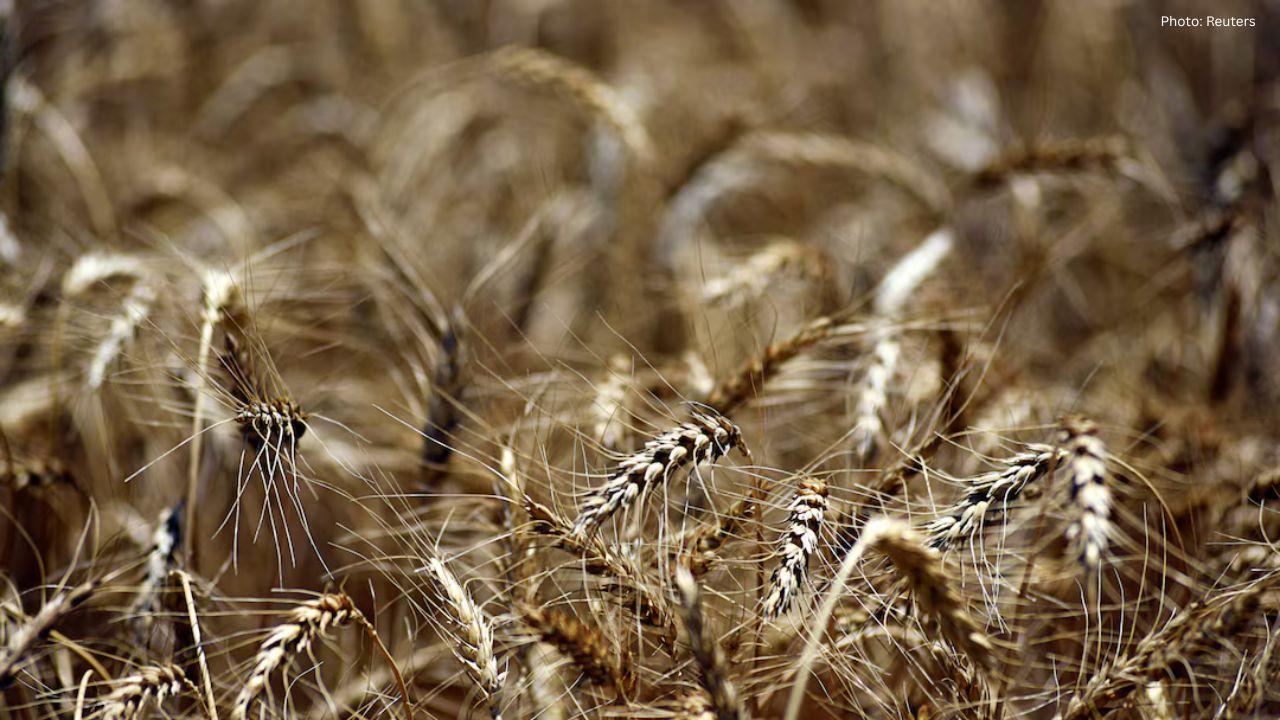
A plethora of farmers nationwide have encountered significant hardships in recent years. The prices of vital crops, including corn, wheat, and soybeans, have seen considerable declines. Concurrently, trade tariffs have hampered access to crucial export markets, compounding the challenges in the agricultural sector.
The intended aid program aims to alleviate the financial strain on farmers caught in this challenging landscape. Anticipated recipients include both crop and livestock producers, such as cattle ranchers and grain farmers, along with those cultivating soybeans, potatoes, and other crops.
Officials within the government emphasize that this financial aid is long overdue. Numerous farmers have been seeking assistance while contending with escalating expenses linked to fuel, fertilizer, seeds, and equipment, with many struggling to achieve profitability.
Moreover, this initiative possesses a political nuance. Farmers constitute a significant voting bloc, particularly in rural regions. Proponents argue that this measure is a just and essential move to sustain American food production and safeguard rural employment. Conversely, detractors claim it could be a tactic to garner political backing without addressing long-term issues.
The broader context involves the tense global trade situation. Tariffs have heightened friction between the United States and its trading allies. Though designed to protect American sectors, these tariffs frequently disadvantage farmers, as foreign nations retaliate by imposing their own tariffs on American agricultural exports.
As a consequence, farmers have forfeited market presence in significant countries. Even with slight price recoveries, high operational costs hinder profitability, leaving many families who have farmed the land for generations facing uncertain prospects.
A temporary aid program can provide necessary support to help farmers navigate the ongoing crisis, stave off bankruptcies, and sustain rural neighborhoods. Nonetheless, experts caution that funding alone will not remedy the fundamental issues facing the agriculture sector.
The government must prioritize the establishment of stable trade relations and equitable market access. Furthermore, farmers require enhanced strategies to manage risks associated with climate variations, crop diseases, and price fluctuations. Investments in technology, storage solutions, and supply chains are paramount as well.
The involvement of farmers during the announcement serves to convey a robust message of governmental backing. It underscores that agriculture transcends a mere economic endeavor, embodying a lifestyle.
Farmers across America do not seek sympathy; they call for fair pricing, consistent markets, and acknowledgment of their labor. While this aid proposal may provide short-term respite, the enduring vitality of the agricultural sector hinges on prudent policies, solid trade partnerships, and authentic support for rural communities.


 English