Post by : Saif
Al-Najjar
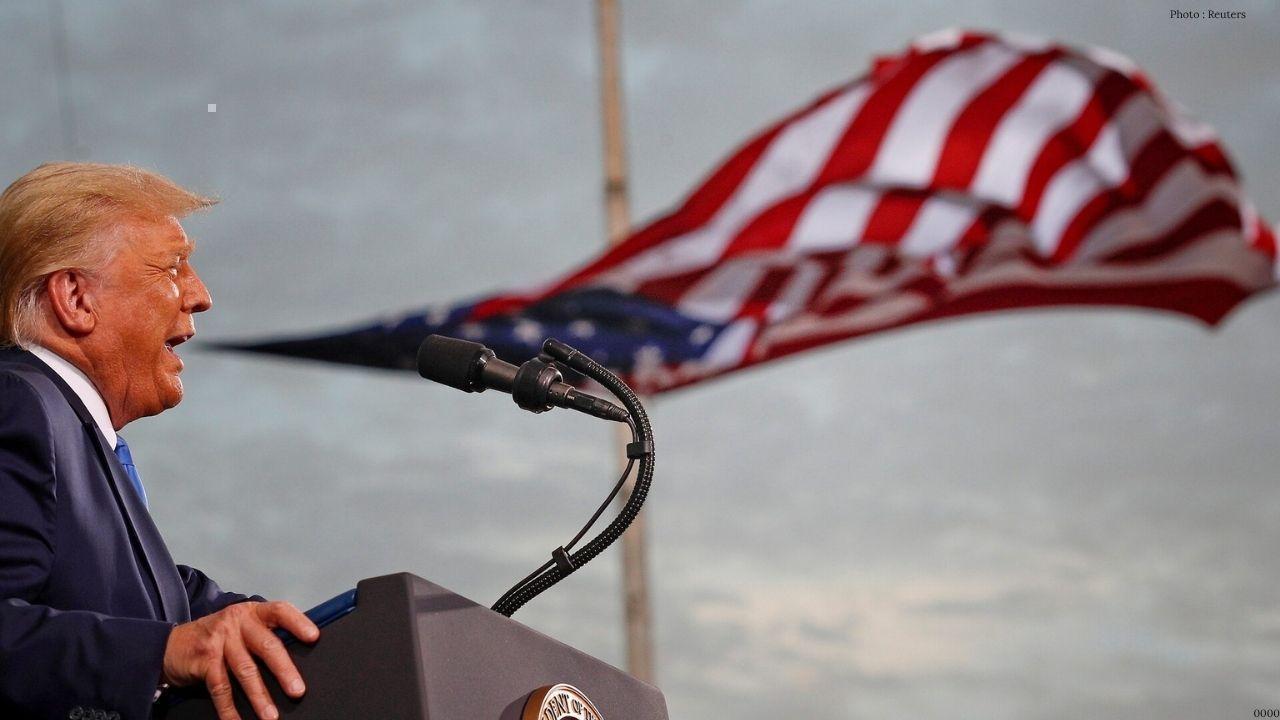
During a recent conversation, US President Donald Trump and Chinese President Xi Jinping reached a consensus that Iran should be barred from developing nuclear capabilities. Their dialogue centered on the escalating situation in the Middle East, alongside global security and trade matters.
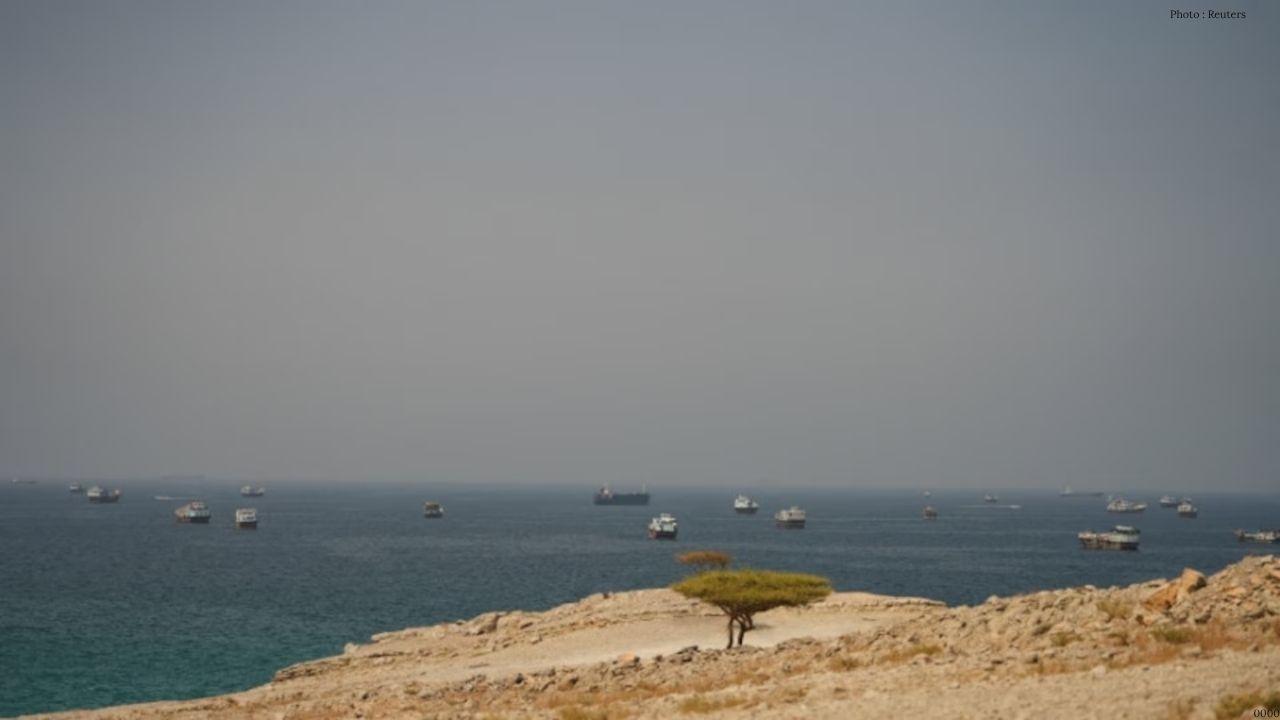
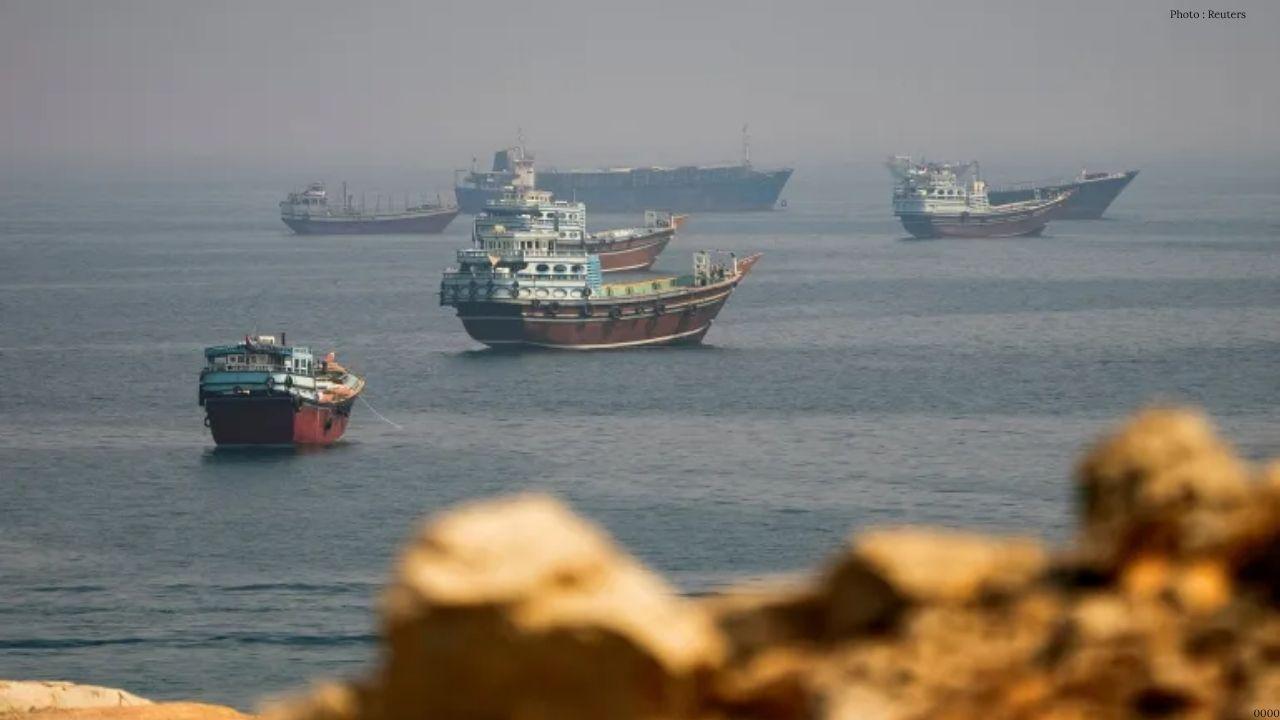
Trump noted that both leaders recognized the importance of stability in the region for the global economy and world peace. A significant aspect of their discussions revolved around the need to keep vital oil transportation routes, particularly the Strait of Hormuz, secure.
The Strait of Hormuz serves as a critical maritime corridor for oil shipments, with a substantial portion of global oil supply routed through this narrow passage daily. Any disruptions here could considerably impact fuel costs and international trade.
With tensions between the United States and Iran at a peak, Trump’s remarks come amid stalled discussions regarding Iran’s nuclear ambitions, as Western nations express mounting concerns over Tehran's uranium enrichment efforts.
The US and several European governments suspect that Iran could eventually develop nuclear arms if its enrichment activities persist. Iran, however, has consistently dismissed these claims, asserting that its nuclear pursuits are solely for peaceful objectives, including energy production and scientific exploration.
Trump cautioned that his tolerance towards Iran was diminishing, urging Tehran to embrace diplomatic negotiations before the situation escalates. His remarks signify increasing pressure from Washington regarding Iran’s regional actions and its nuclear agenda.
China’s perspective is particularly significant given its robust economic and energy relations with Iran. Beijing imports substantial oil from the Middle East and is significantly reliant on stable trade routes in the area.
Concurrently, China typically advocates for diplomatic resolutions over military interventions, with officials consistently promoting peaceful dialogues to ease regional tensions.
The dialogue between Trump and Xi illustrates that even amid considerable political and economic disparities, nations can collaborate on pressing global security issues. Although the United States and China vie in spheres like commerce, technology, and military outreach, they both seem to acknowledge that a nuclear standoff in the Middle East could pose severe international hazards.
Experts indicate that the focus of their discussions was largely on averting further escalation and safeguarding global economic equilibrium. Rising tensions have already strained energy markets and affected international business confidence.
Iran’s nuclear program has been a long-standing global issue, with international agreements aiming to restrict its activities frequently encountering hurdles. Diplomatic talks have often struggled to yield enduring resolutions.
For various nations, the stability of the Middle East is inextricably linked to energy security and economic progress. An escalation involving Iran could have far-reaching implications for oil availability, inflation, and global trade.
Trump’s latest remarks suggest that the United States is actively working to intensify international scrutiny on Iran while fostering diplomatic exchanges. China’s engagement amplifies the importance of the situation given its significant role in global politics and energy markets.
Though no substantial agreements were made following their talks, the meeting underscored a mutual apprehension over the potential threats of nuclear instability in the region. It also highlighted the continuing relevance of diplomacy in mitigating global tensions.


 English