Post by : Shweta
US President Donald Trump has ignited renewed global debate following his pointed remarks about Oman in light of escalating tensions concerning the Strait of Hormuz, a crucial artery for oil transit. This situation arises amidst ongoing conflicts involving Iran and security concerns over shipping in the area.
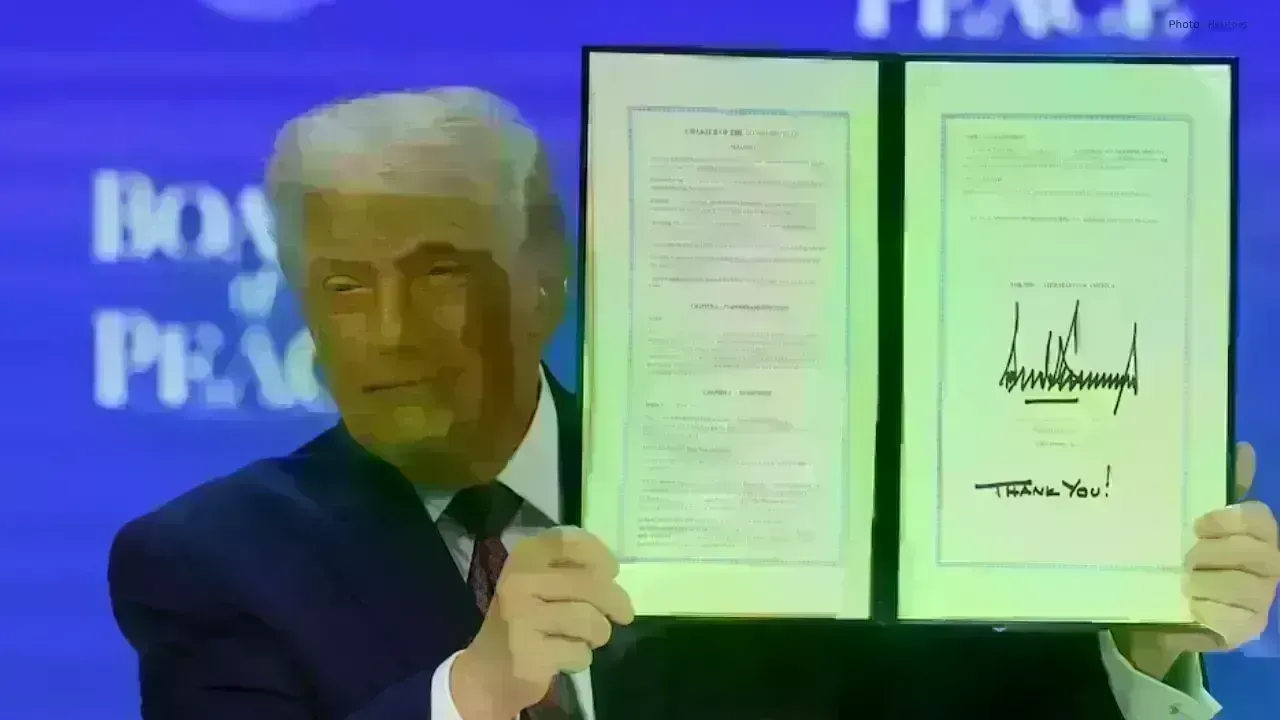
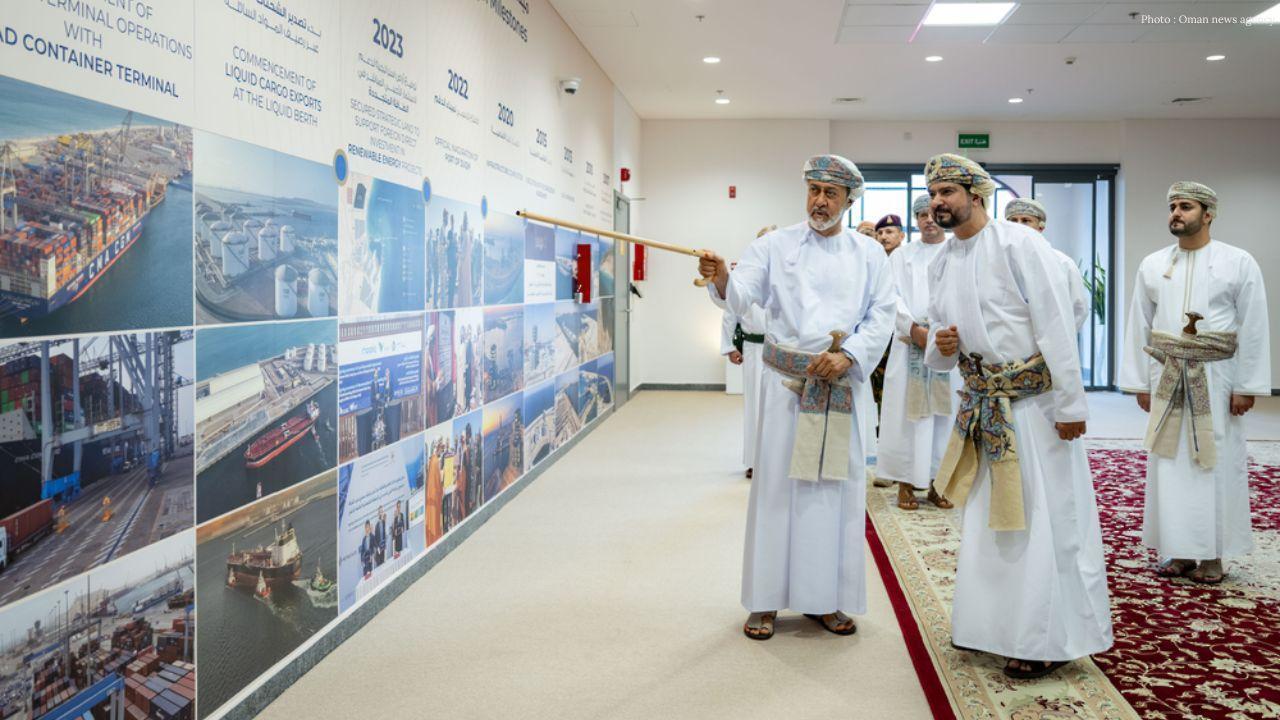
During a recent cabinet meeting, Trump responded to negotiations between Oman and Iran regarding potential shipping protocols in the Strait. He emphasized that Oman “will be treated like everyone else” and warned of significant repercussions should they diverge from what he considers appropriate conduct. The comments have drawn widespread attention, as Oman has long been a vital ally for the US and a mediator in Middle Eastern disputes.
The Strait of Hormuz is indispensable for international trade, handling nearly one-fifth of the world’s oil supply daily. Interruptions here could lead to fluctuations in global oil prices and affect international shipping routes. The region's tension has been exacerbated by ongoing hostilities involving the US, Israel, and Iran.
Recent developments indicated discussions between Iran and Oman surrounding shipping fees or management strategies through the strait. Trump has categorically denied any prospect of regional nations gaining authority over the corridor, asserting the necessity of keeping it open for global navigation, while assuring that the US will safeguard the freedom of the seas.
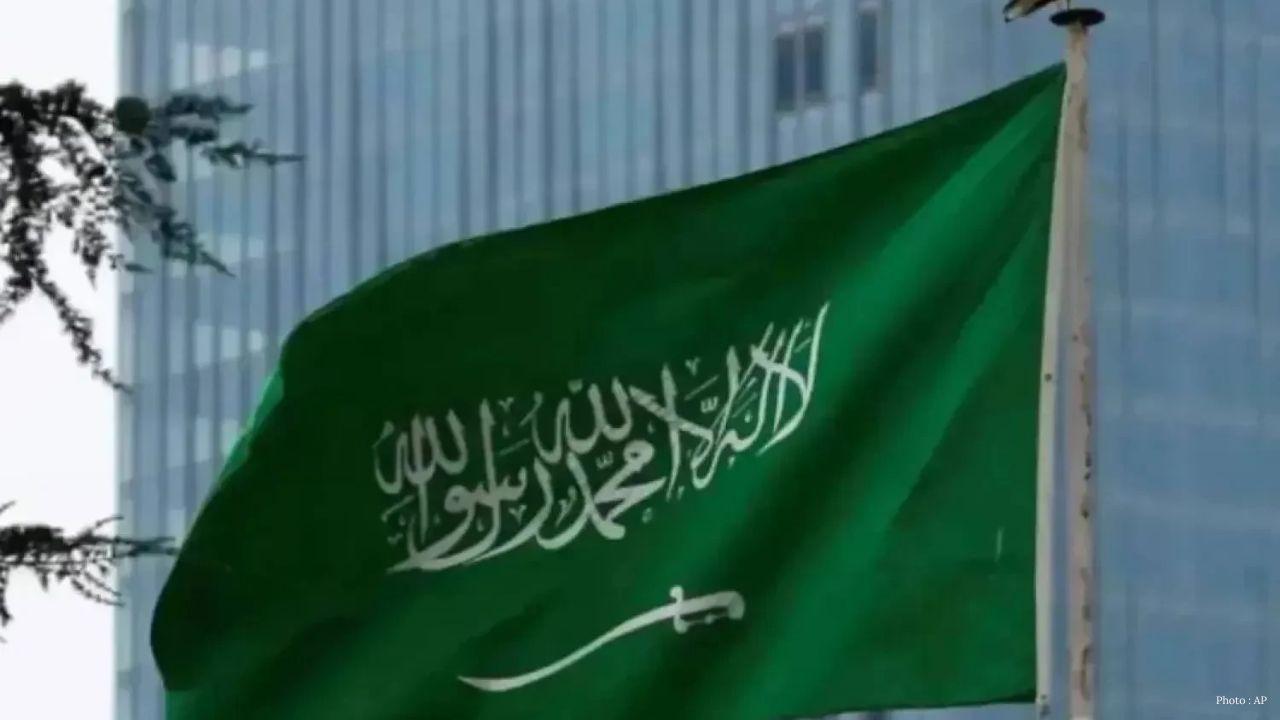
With a history of diplomatic relations with both the US and Iran, Oman has served as a neutral intermediary in times of strife and negotiations. Analysts are taken aback by Trump’s comments, as Oman is typically regarded as one of Washington’s steadfast partners in the region.
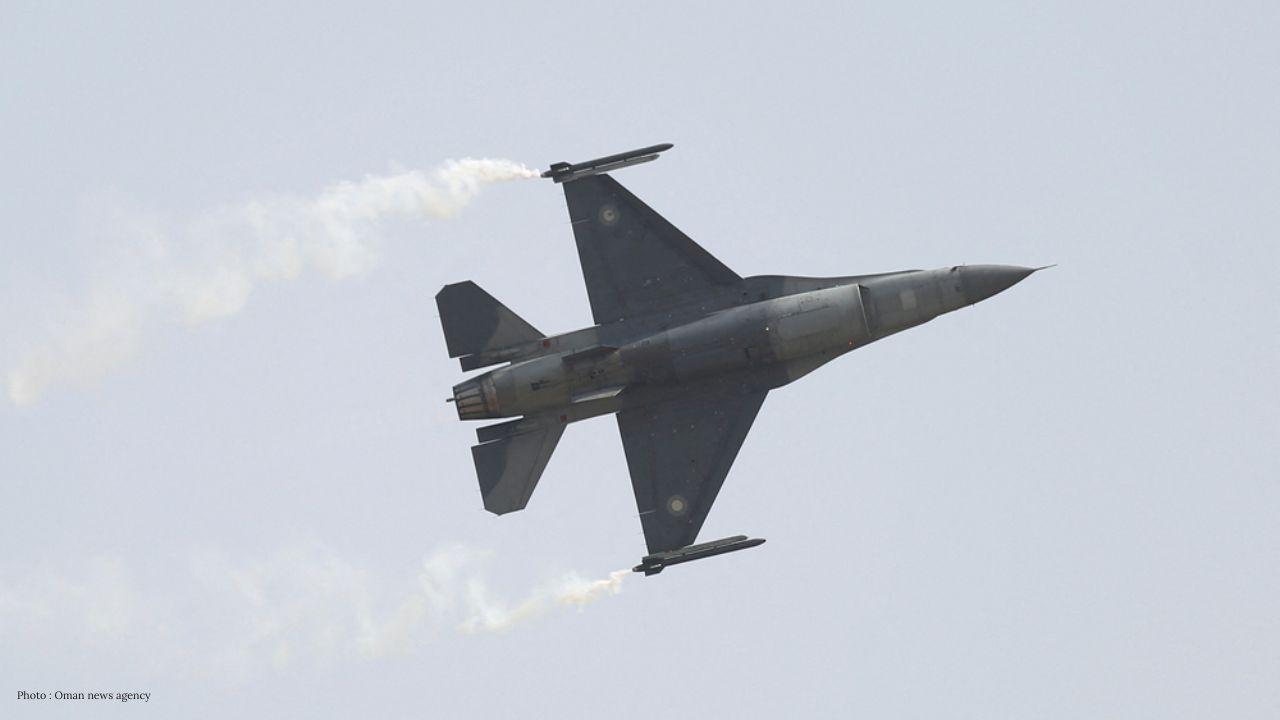
The latest developments coincide with heightened tensions between Washington and Tehran. In recent weeks, the US has executed military actions targeting Iranian drone capabilities and related facilities in proximity to the Strait, characterized by American officials as essential defensive maneuvers to secure international maritime activities. In contrast, Iran has accused the US of exacerbating instability and breaching regional accords.
Trump’s remarks have alarmed diplomats and participants in the global energy market. Experts warn that any further escalation concerning the Strait could disrupt oil supplies and impose economic hardships worldwide. Countries including European, Gulf, and various Asian states closely monitor these dynamics, given their reliance on energy imports through the strait.
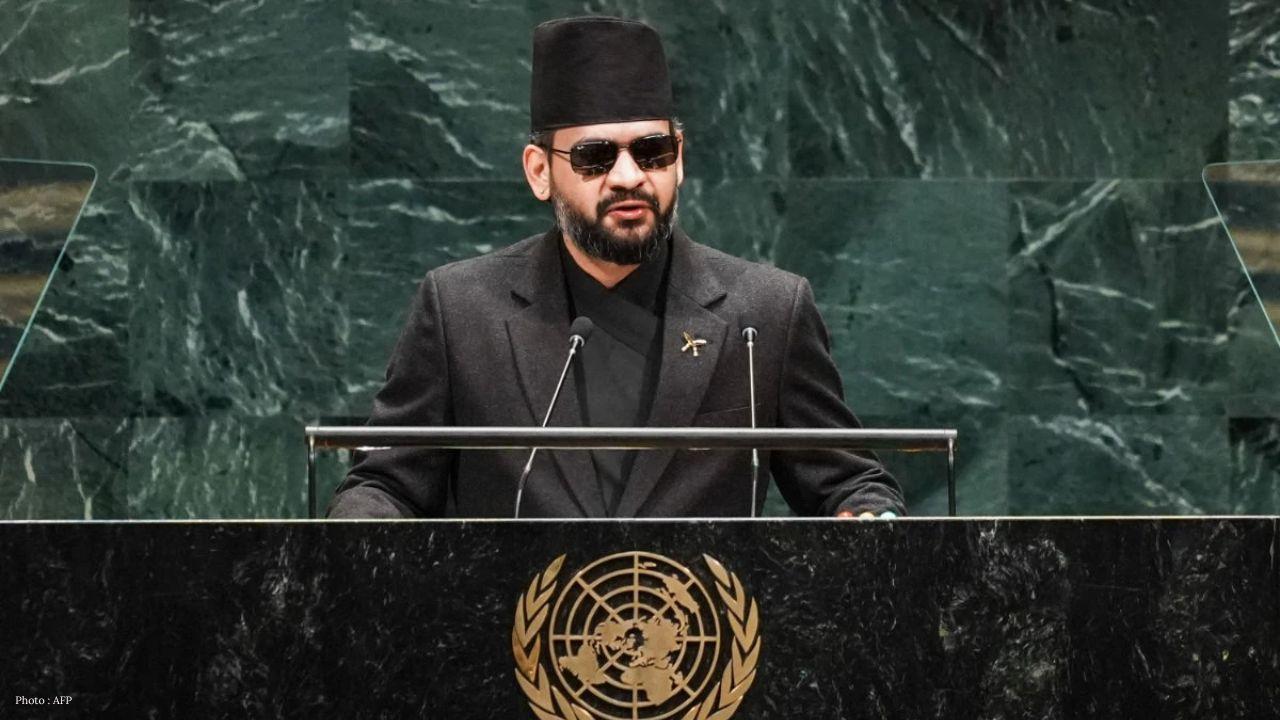
To date, Oman has yet to release an official statement in response to Trump’s comments. However, international observers suggest that these remarks may hamper ongoing diplomatic endeavors aimed at easing tensions within the region. Maintaining stability in the Strait of Hormuz is deemed vital for both global commerce and energy security.
This incident underscores the intricate geopolitical challenges surrounding the Middle East, where military activities, energy interests, and global diplomacy continue to captivate international attention. As negotiations progress and tensions simmer, world leaders remain vigilant regarding interactions involving Iran, the US, and Gulf nations pertaining to the Strait of Hormuz.


 English