Post by : Saif
Al-Najjar
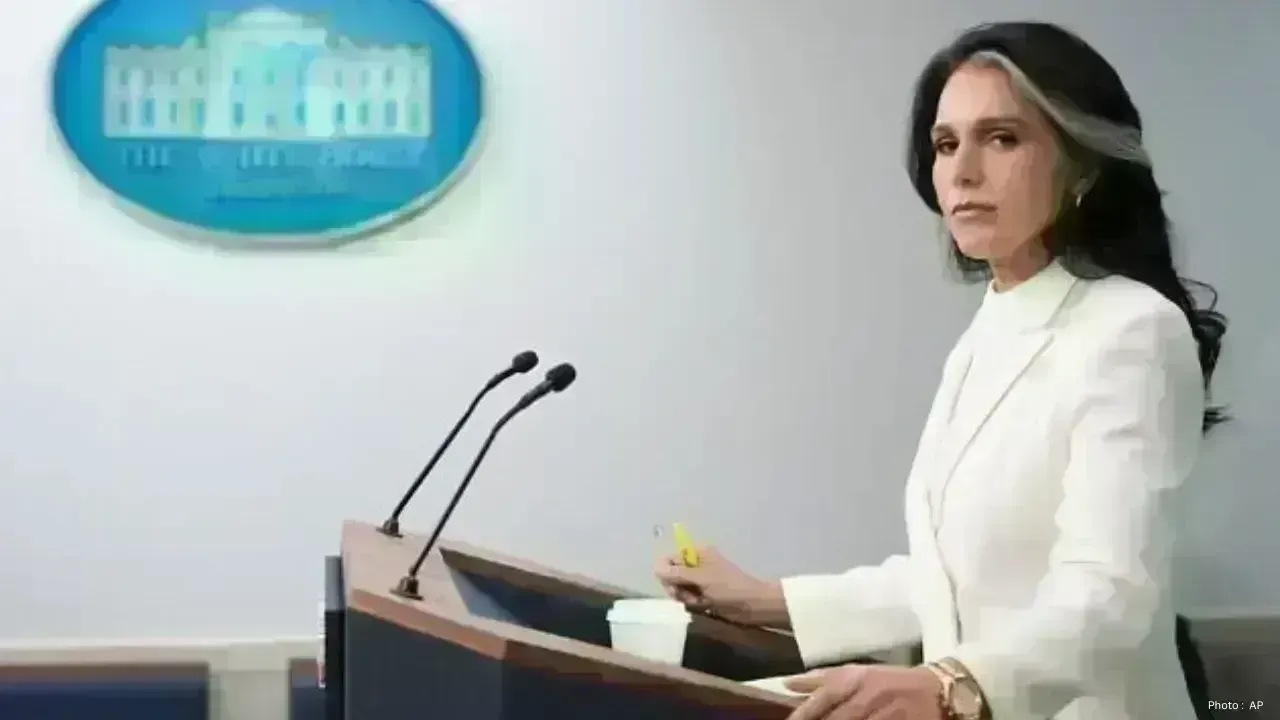
Tulsi Gabbard has stepped down from her position as the United States intelligence chief, mainly due to concerns surrounding her husband's health. This resignation has ignited considerable political discourse, as some reports suggest she was pressured out of her role due to internal disputes within the administration.
The news of her departure has quickly become a key talking point in Washington, prompting speculation about the true motives behind her exit. Although Gabbard has publicly stressed that family health was the driving factor, insiders are hinting at possible conflicts that may have contributed to her leaving.
Having been a prominent figure in American politics, Gabbard is known for her distinct views and her outspoken stance on foreign policy issues, making her a significant subject of interest among both supporters and detractors.
Her extensive political experience ranges from serving in Congress to engaging in presidential campaigns and military service. Over the years, she has cultivated a reputation for challenging established political norms, especially regarding war and international relations.
Gabbard cited her husband's health condition as a reason that necessitated her more direct involvement with her family. The announcement drew empathy from political figures on both sides of the aisle.
However, some political analysts have begun questioning if disagreements over national security and intelligence strategies played a role in her resignation. No official declarations have confirmed that she was coerced into making this decision.
This situation highlights how shifts in leadership within intelligence agencies tend to attract public scrutiny due to their importance in shaping national policies and addressing international issues. The roles held by intelligence officials are crucial for evaluating security risks and devising strategies to counter global threats.
Experts note that such resignations often stir up discussion, particularly when they involve prominent figures known for their independent viewpoints. Issues of both personal and political natures frequently intertwine in high-stakes decisions.
With her unique persona compared to many traditional politicians, Gabbard's military background and views on foreign policy earned her respect from voters seeking a less interventionist stance in global affairs. She frequently drew attention for her critiques of extended military engagements.
Throughout her political journey, Gabbard has continuously prioritized diplomacy and judicious use of military force. These positions sometimes sparked disagreements with those advocating for more aggressive policies.
The narratives surrounding her resignation have thus garnered extra attention against the backdrop of ongoing debates in the U.S. about security priorities and international policy.
Analysts observe that Washington remains deeply divided on various foreign policy issues, including military spending and intelligence operations. Disagreements among administration officials are not unusual.
While Gabbard's supporters laud her contributions, skeptics have raised doubts about some of her historical statements and positions on foreign matters.
This development not only emphasizes the intense pressures faced by those in political roles but also illustrates the personal sacrifices government officials often make. Senior positions in intelligence and national security involve significant responsibilities, demanding hours, and consistent public examination.
Previously, numerous political figures worldwide have made similar decisions due to family health concerns. Public servants sometimes opt out of leadership roles to devote attention to personal matters and provide support during challenging periods.
In the U.S., attention remains closely focused on changes in intelligence leadership as they can have far-reaching effects on security policies and international partnerships. Transitions at these senior levels may eventually shape future government agendas and activities.
Political observers believe the debate surrounding Gabbard's resignation is likely to persist if more details about internal conflicts or policy disagreements surface. Currently, however, statements from officials maintain that family reasons were the core motivation behind her departure.
This turn of events unfolds during a time of escalating international tension, with various predicaments such as conflicts in the Middle East, relationships with China and Russia, and rising concerns around cyber threats and global security matters.
As public discussions advance, many people remain focused on determining whether her resignation stemmed primarily from personal reasons or broader political discord within leadership.
Gabbard's exit symbolizes another pivotal instance in ongoing discussions around American politics and intelligence. Whether viewed as a personal choice or a reflection of mounting political strife, her resignation has swiftly become a matter of significance in Washington and beyond.


 English