Post by : Shweta
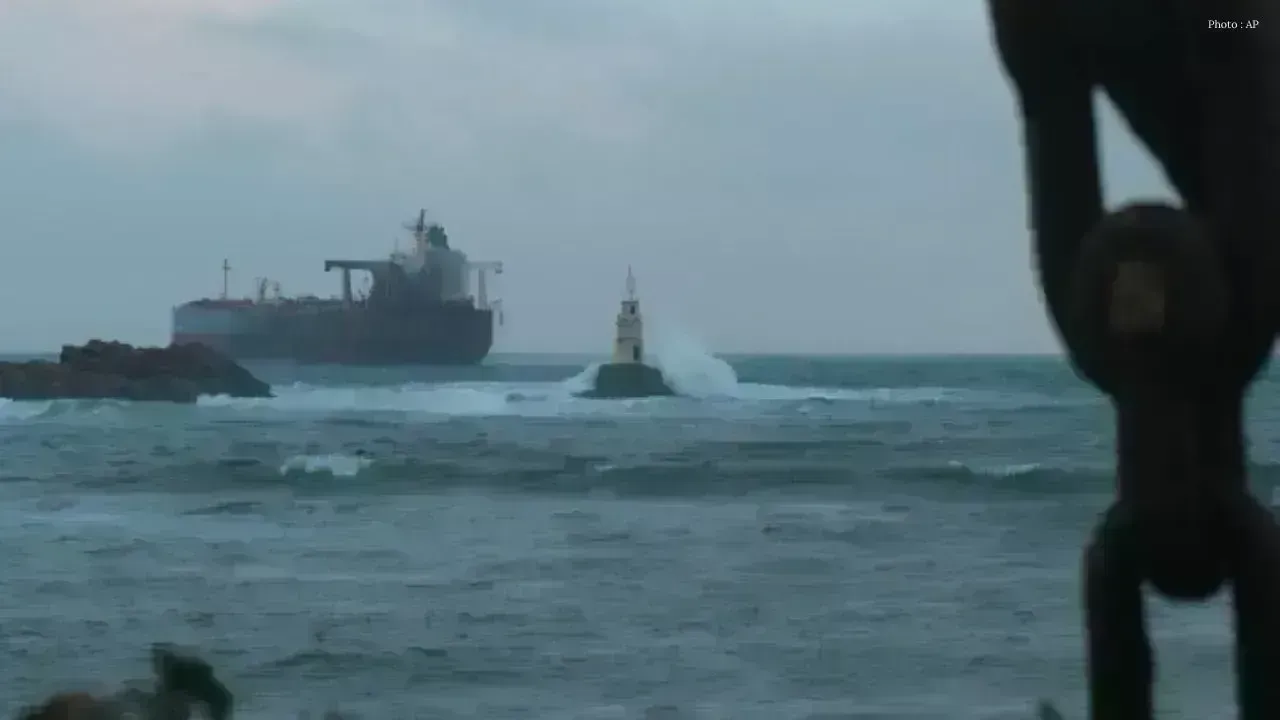
UK and French naval forces have taken action against a Russian-linked oil tanker, demonstrating a unified effort to enforce sanctions and oversee maritime operations tied to Russia's energy exports. This interception underscores the West's intensified campaign against Moscow, particularly in light of the ongoing conflict in Ukraine and its implications for global oil trade.
Reports indicate that the tanker was halted in areas where European authorities have ramped up vigilance against vessels suspected of assisting Russia in evading sanctions. The interception was executed by French naval assets, receiving essential intelligence and logistical backing from the UK. Officials noted this was part of ongoing efforts to uphold international maritime regulations and security.
Heightened concerns have emerged across Europe regarding Russia's so-called "shadow fleet"—a group of older tankers allegedly utilized to transport Russian oil while skirting sanctions and regulatory measures imposed by Western nations. Some of these vessels reportedly operate under intricate ownership schemes, frequently altering flags and registration information to evade scrutiny.
French authorities confirmed that the interception adhered to international maritime standards. The vessel was stopped for cargo, ownership, and insurance status verification alongside compliance with sanctions. While detailed inspection outcomes are undisclosed, officials emphasized that the operation was handled with professionalism.
The UK has been pivotal in initiatives aimed at restricting Russia's energy income since the onset of the Ukraine crisis. British officials have rolled out several rounds of sanctions targeting Russian oil exports and associated entities, while fostering greater collaboration with European partners to monitor vital shipping routes.
This interception aligns with ongoing efforts by Western governments to impose stricter measures on Russian energy exports. Despite Russia's stature as a leading oil producer, sanctions from the European Union, the UK, and the US have sought to minimize its revenue sources. Such measures aim to exert economic pressure on Russia while diminishing resources for military engagements.
Moscow has consistently denounced these sanctions as unlawful and politically driven, asserting that they interfere with global trade and contribute to rising global fuel costs. In response, Russia has made efforts to shift a significant portion of its oil shipments to Asia, the Middle East, and other regions outside of Western scrutiny.
Analysts emphasize the significance of maritime enforcement, noting that sanctions are effective only when shipping activities are actively monitored. European authorities have broadened naval patrols and intelligence-sharing initiatives to uncover vessels that may be infringing upon restrictions. This heightened focus on maritime activity reflects growing concerns regarding the ongoing flow of sanctioned goods into global markets through alternate shipping networks.
The operation also reflects the enduring defense partnership between France and the UK despite certain political differences stemming from Brexit. Both nations, as pivotal NATO members, continue to collaborate on various security matters, including European defense, counterterrorism, and maritime surveillance.
Experts suggest that maritime incidents involving Russian tankers may rise as adherence to sanctions becomes more stringent. European governments have signaled their commitment to continue tracking shipping lanes and investigating suspected sanctions-evasive vessels, ensuring this remains a focal point of Western policy toward Russia in the foreseeable future.
The interception has prompted discussions among global observers about the evolution of sanctions enforcement at sea. Advocates argue for enhanced monitoring to uphold sanctions, while detractors caution that increased military presence could exacerbate tensions between Russia and Western nations.
As investigations related to the tanker progress, this incident further illustrates how the Ukraine conflict is reshaping global trade, energy markets, and international security. With ongoing pressure from Western nations and Russia's attempts to adapt its export strategies, maritime operations are set to play a crucial role in the shifting geopolitical landscape.


 English