Post by : Saif
Al-Najjar
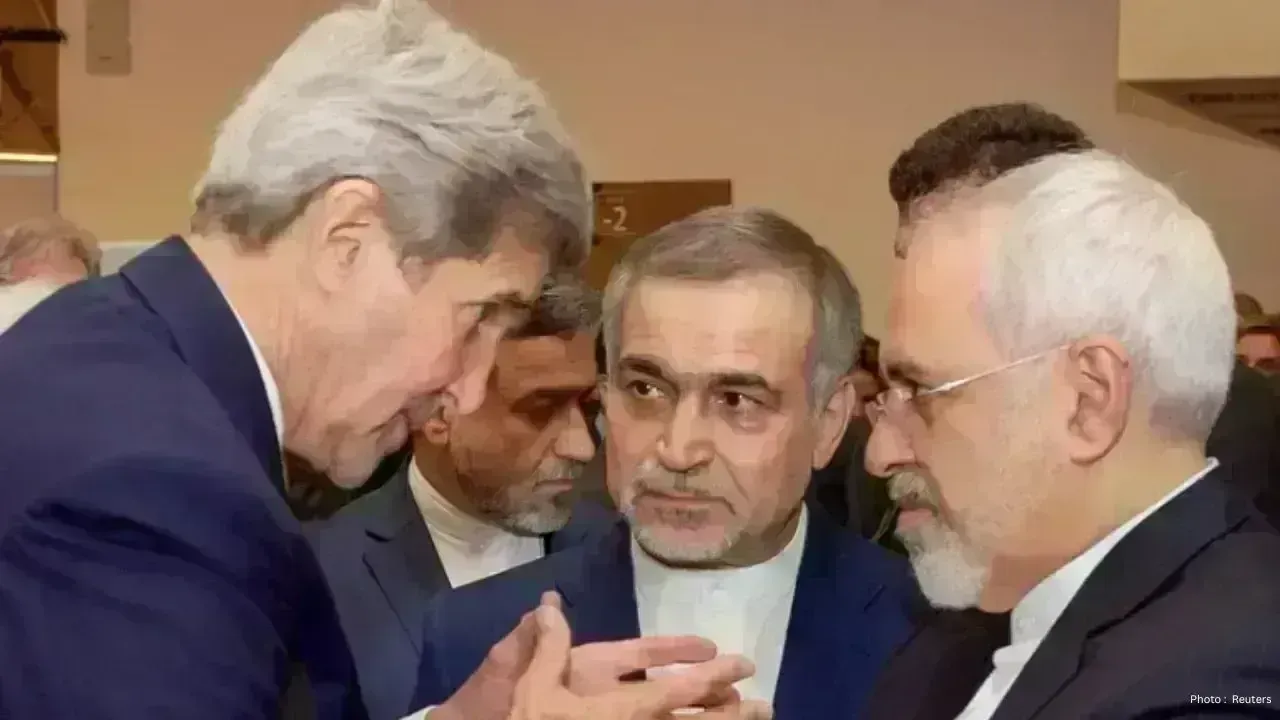
The Iran nuclear agreement, formally known as the Joint Comprehensive Plan of Action (JCPOA), emerged as a pivotal international treaty, established in 2015 between Iran and major global powers such as the United States, the UK, France, Germany, Russia, and China.
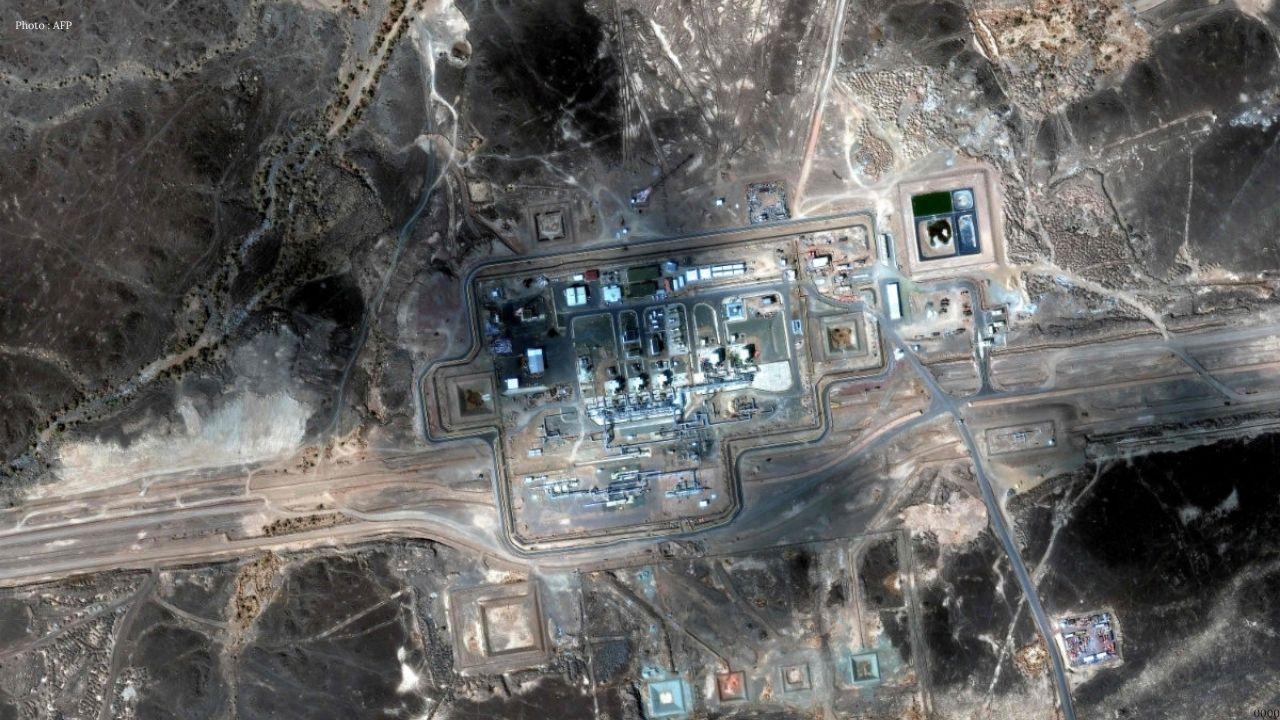
This landmark deal was aimed at preventing Iran from pursuing nuclear weapons while permitting its use of nuclear energy for non-military purposes. As part of the accord, Iran committed to curtail its nuclear activities. This included reducing uranium enrichment levels and accepting regular international inspections of its nuclear sites.
In exchange, numerous economic sanctions imposed on Iran were lifted, facilitating an economic boost through enhanced trade and access to global markets. Many countries perceived the agreement as a pathway to greater peace and stability within the Middle East.
The deal also sought to prolong the “breakout time”—the duration needed for a nation to acquire enough fissile material for a nuclear weapon—by imposing strict limits on Iran's nuclear program.
Nonetheless, the deal faced backlash from critics who contended it wasn't stringent enough, arguing that it merely postponed Iran's nuclear intentions. These criticisms intensified with Donald Trump’s ascendant presidency.
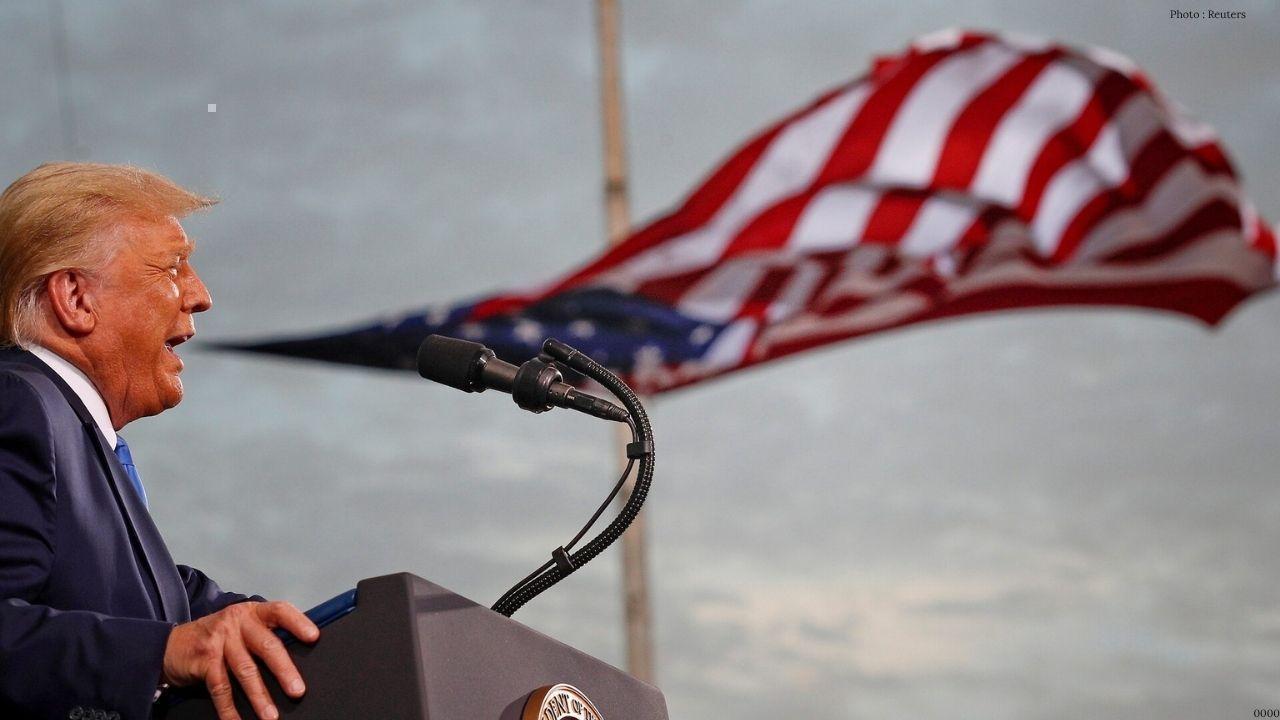
In 2018, Trump announced the U.S. withdrawal from the JCPOA, condemning it as a “bad deal” that failed to adequately tackle security issues.
Following the exit, the U.S. reinstated severe sanctions on Iran, amplifying economic distress and escalating tensions. In retaliation, Iran subsequently began rolling back its commitments under the agreement, further straining relations between the two nations.
As the situation deteriorated, several rounds of discussions aimed at restoring or replacing the agreement took place, though none resulted in a sustainable resolution. Key points of contention remain over uranium enrichment levels and the conditions under which sanctions may be lifted.
The matter has gained heightened significance amid escalating regional tensions and potential conflict. The U.S. continues to pursue measures to ensure Iran does not attain nuclear weapon capabilities, while Iran asserts its nuclear endeavors are solely for peaceful purposes.
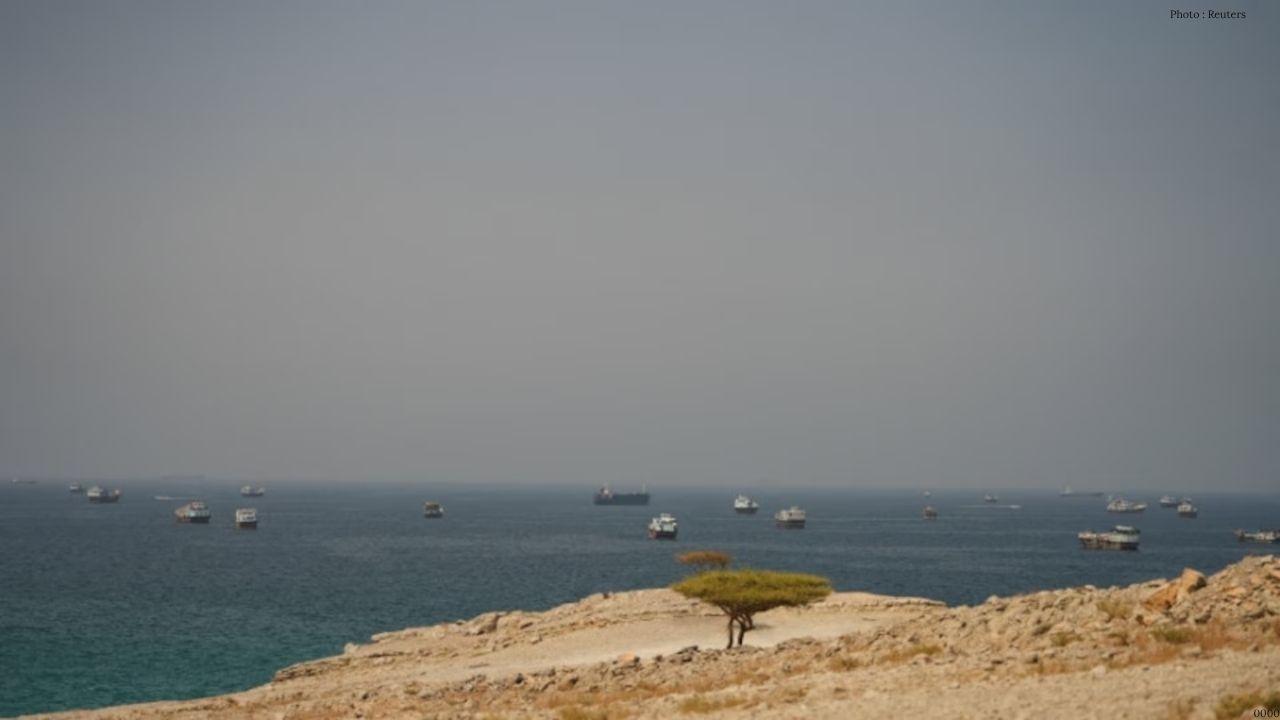
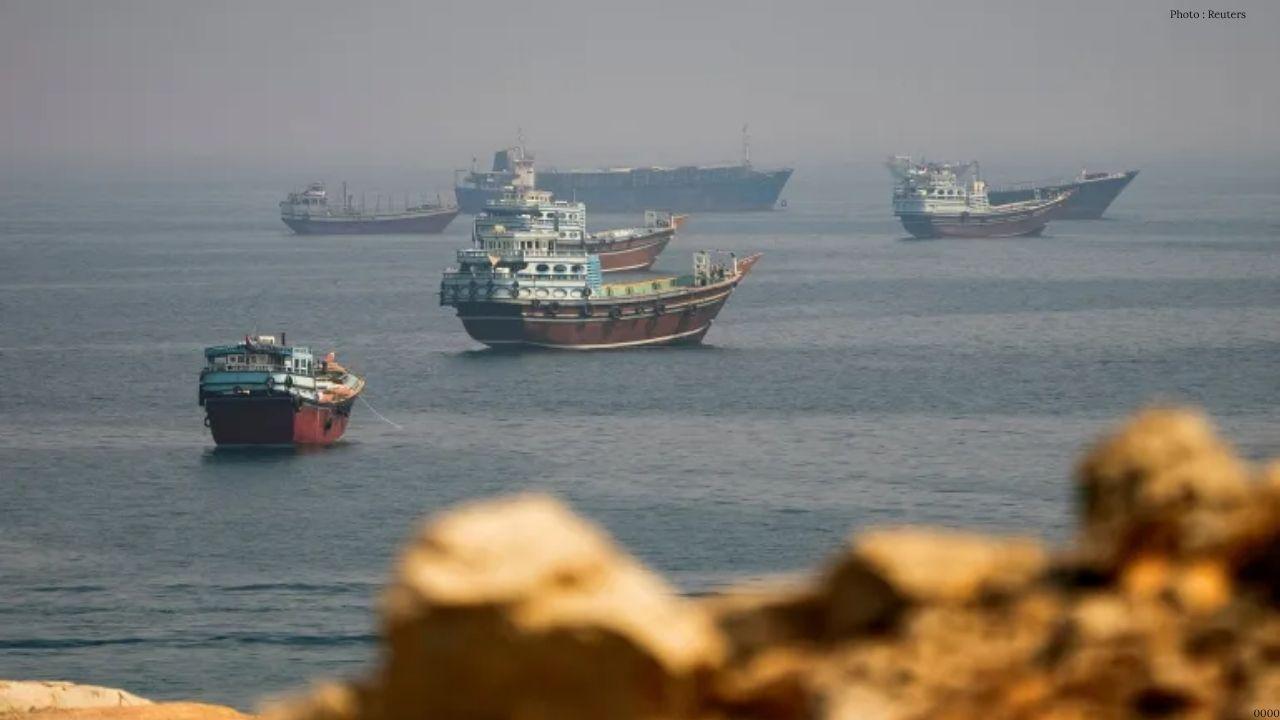
The unraveling of the JCPOA has far-reaching ramifications, influencing global politics, escalating uncertainties in the Middle East, and affecting international relations and oil markets. The watching world remains attentive to developments due to their implications for global security.
Ongoing attempts to forge a new agreement persist, with some leaders hopeful for a revamped accord, while others highlight the distrust complicating negotiations. Recent negotiations have indicated some progress, yet many hurdles remain.
A comprehensive understanding of the Joint Comprehensive Plan of Action (JCPOA) sheds light on the ongoing tensions between the U.S. and Iran. While the deal aimed to strike a balance between security and cooperation, its disintegration leaves critical questions unresolved.
The resolution of this issue now hinges on the ability of both parties to reach mutual understanding. A successful new agreement could ease tensions and enhance stability, whereas failure could lead to further conflict and unpredictability.


 English