Post by : Anis
Al-Rashid
The Invisible Heat You Pay For
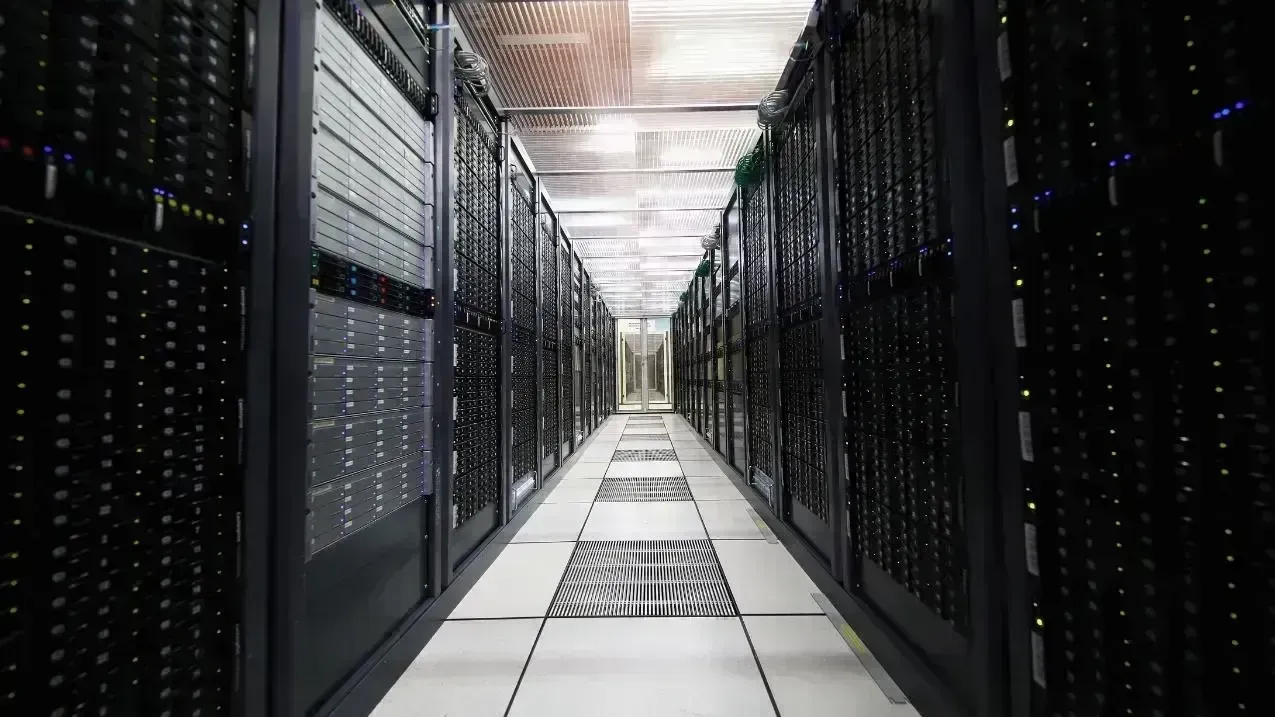
Every time you stream a video, scroll through your feed, or ask an AI a question, an unseen process activates far from your reach. Within enormous windowless structures known as data centres, countless machines awaken. Lights illuminate, fans hum, processors heat up, and electricity surges in vast quantities.
While the digital realm may seem light as air, the reality is quite different.
The uncomfortable fact is that the tools and services making modern life seamless have become major electricity consumers globally. With the rapid expansion of AI, the heat generated by these centres poses a growing challenge that current energy infrastructures struggle to meet.
Power networks are under pressure. Demand spikes in regions unprepared for such elevated loads. Cooling systems are extracting precious water from already depleted areas, and utility providers are discreetly raising electricity rates.
This leads us to a pressing question.
Will your favorite streaming services, video calls, and AI chatbots drive your electricity costs higher?
Is the digital age becoming increasingly unsustainable?
This article explores how data centres and AI contribute to an energy crisis—and why it has significant implications for us all.
Understanding the Mechanics of Data Centres
More Than Just Computers: They Are Energy Hubs
A data centre is akin to a warehouse housing countless servers. Each server operates to store data, process computations, and deliver content directly to your devices. When millions of people concurrently access these services, these machines work relentlessly.
Servers emit substantial heat.
To evade overheating, they require specific temperature management. This necessitates intricate systems that constantly operate:
-
Air conditioning
-
Cooling towers
-
Liquid cooling solutions
-
Backup power supply
-
Fire control mechanisms
-
Battery compartments
-
Electrical hubs
A large data centre can consume energy comparable to a small town.
AI: A Game Changer in Energy Consumption
AI Requires More Energy Than Traditional Computing Methods
Operating a regular website demands energy.
Implementing an AI system heightens that demand significantly.
AI relies on:
Whenever you interact with an AI, your inquiry is processed through various layers of hardware, often spread across different geographical locations. Each interaction warms servers, and each response draws power.
Unlike a standard web search, AI engagements necessitate significantly more calculations. As companies increasingly incorporate AI into their workflows, the demand for more machinery surges swiftly.
More machinery translates to more heat.
More heat necessitates more cooling.
More cooling means elevated energy needs.
This cycle accelerates continually.
Everyday Habits and Their Hidden Energy Costs
It’s Not Just Your Device Consuming Power
When charging your phone, the energy expenditure is visible.
However, the unseen costs include:
-
The electricity used to receive emails
-
Power consumed while browsing social networks
-
The server powering your streaming playlists
-
The machines processing your movie streams
-
Power for processing navigation queries
-
The milliseconds spent by chatbots
The conveniences of modern life carry a back-end energy price that remains constant.
You settle your phone bill.
But you must also account for:
The digital economy is accumulating unseen energy expenditures.
The Cooling Challenge for Data Centres
Heat: The Main Adversary
Servers cannot function effectively in high temperatures. Even minor increases can diminish output and escalate breakdown risks.
Cooling systems demand:
Traditional cooling approaches are becoming insufficient.
As more servers pack into restricted spaces, heat concentration escalates. Cooling systems must undertake more strenuous, prolonged efforts.
Many data centres run cooling solutions consistently—regardless of the weather.
Water: The Unseen Casualty
Cooling Costs Weighing Against Human Needs
Modern data centres consume substantial water for their cooling systems, leading to significant evaporation to disperse heat.
In areas facing water scarcity, conflict arises between:
As electricity use climbs, water usage tends to rise accordingly.
Once habitual water consumption becomes the norm, shortages escalate until crisis hits.
Power Grids in Distress
Data Centres Are Not Gradual Growers; They Multiplying Relentlessly
Conventional industries expand at a manageable pace.
In contrast, data centres can materialize unexpectedly.
A new data facility may demand as much electricity as a sizable residential neighborhood almost instantly. Power grids designed for steady domestic growth are confronted with non-stop industrial-scale usage.
Consequently, power providers must:
-
Enhance generation capacity
-
Fortify transmission networks
-
Construct substations
-
Upgrade transformers
-
Incorporate backup solutions
All of these developments entail significant costs.
In many cases, these expenses trickle down to consumers.
The Ultimate Costs of the Computing Boom
Electricity Rates Reveal Trends More Than Headlines
When energy demand surpasses supply:
While data centres negotiate unique power rates, the pressure from utilities trying to balance supply and demand affects pricing across the board.
Consumers will ultimately feel this impact through:
The digital economy, although seemingly abstract, has tangible, financial implications.
The Limitations of Renewable Energy
Clean Energy Growth Is Insufficient Against Demand
Solar and wind energy are on the rise, but demand from data centres is outpacing this growth.
Moreover:
-
Solar energy depends on sunlight availability
-
Wind energy is contingent on weather patterns
-
AI operates around the clock
Servers do not halt operations at sundown.
Consequently, to meet peak demands, utilities still rely on traditional power sources.
This adds to the energy strain even in the cleanest systems available.
Emerging Cooling Solutions: Are They Enough?
Innovations in Cooling Technology Are Being Tested
Companies are experimenting with:
Some data centres are relocating to cooler regions to curtail cooling expenses.
However, these adaptive strategies are lagging behind the rapid growth of AI.
The technology race is self-propelling.
Data Centres: Not Solely Villains
Essential Yet Not Innocent
Data centres enable:
-
Banking operations
-
Healthcare services
-
Educational resources
-
Communication networks
-
Safety protocols
-
Research initiatives
-
Governance systems
They’re indispensable.
Yet, efficiency must improve rapidly.
An unmanaged digital landscape might prove costlier to amend than to preemptively address.
The Growing Role of Governments
Data Centres Must Factor into Energy Policies
Governments are currently evaluating:
-
Zoning regulations for server facilities
-
Restrictions on water utilization
-
Limits on energy consumption
-
Mandatory carbon footprint reporting
-
Efficiency mandates
Planning digital infrastructure is now on par with road networks, bridges, and energy facilities as a national priority.
The digital realm has transitioned from virtual to tangible.
Assessing AI's Value Against its Energy Usage
AI Holds Promise, If Properly Managed
AI's benefits include:
However, unchecked expansion poses dangers.
Reducing energy loss in AI systems necessitates:
Convenience devoid of responsibility threatens affordability.
What Consumers Can Do to Help
Your Digital Footprint Matters
Limit energy wastage by:
-
Disabling auto-play features on streaming platforms
-
Eliminating unnecessary background applications
-
Restricting cloud backups
-
Unsubscribing from infrequently used services
-
Minimizing repetitive queries to AI systems
-
Lowering display settings when possible
Small changes at an individual level can lead to significant collective savings.
Preparing for Increments in Energy Costs
Concerns Are Valid; Alarm Is Unwarranted
Electricity costs will rise gradually, not suddenly.
Yet the trend is unmistakable:
Digital interaction raises energy requirements.
Increased energy pressure leads to inflation.
The discomfort won't be a surprise;
Instead, it will manifest as a gradual increase in your bills.
Proactive Steps Needed
Infrastructure Should Anticipate Demand
Possible initiatives include:
-
Designated energy corridors for data centres
-
Dedicated energy parks for production
-
Innovative water recycling frameworks
-
Standards for cooling effectiveness
-
Public transparency regarding energy consumption
-
Enhanced regulations for effective energy distribution
Digital advancement must consider physical constraints.
Digital Transformation Meets Physical Realities
Clouds exist in actual buildings.
AI operates with metal components.
Applications utilize solar, wind, coal, and gas.
Streaming depends on electric plants.
The digital domain is inherently tied to the natural world.
It relies upon it.
Final Thoughts: Your Screen Adds to the Heat Regardless
Every video streamed.
Every question posed.
Every image uploaded.
Every message dispatched.
Each of these contributes to the heating of colossal machinery in distant locations.
AI is transforming our society.
However, energy accountability is the price of advancement.
The true test lies not in hindering technology but in curbing waste.
If we can resolve the heat issues tied to data centres, technological progress can be sustainable.
Failing to do so could render technology prohibitively expensive.
And the effects will be reflected where it matters most.
In your energy bills.
Disclaimer:
This text is intended for general informational purposes and does not replace professional advice on energy usage, sustainability, or financial matters. Readers should consult appropriate authorities for guidance.


 English