Post by : Anis
Al-Rashid
The Green Shift in GCC Cities
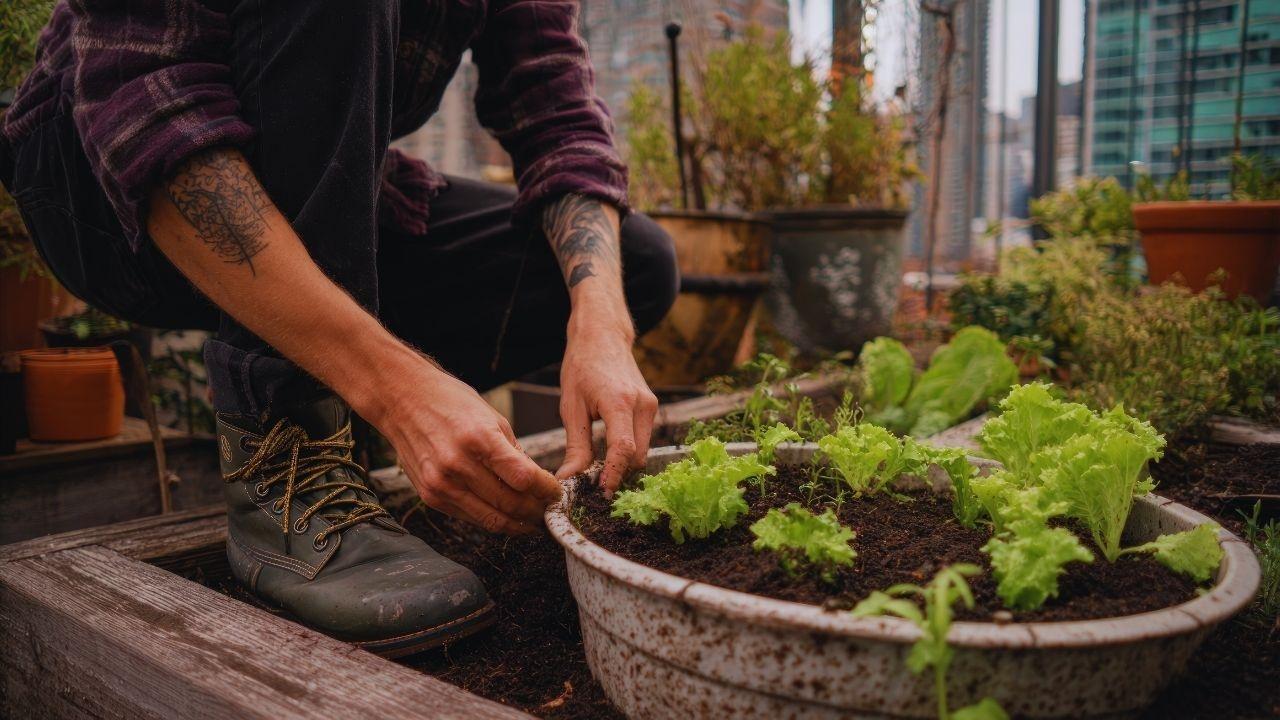
Across Gulf cities, a steady shift is under way: residents are bringing food production and plant life back into dense urban settings. From apartment balconies in Doha to rooftop terraces in Abu Dhabi, small-scale gardening has moved beyond hobby status and into practical daily life.
Window ledges now host herbs, compact hydroponics sit on kitchen counters, and community rooftops are being used to grow vegetables. Urban gardening in the region is increasingly framed as a pragmatic choice—one that blends sustainability, health and efficient use of limited space.
From Lockdown Interest to Sustained Practice
The pandemic accelerated interest in home gardening, but its persistence owes more to tangible benefits: reliable access to fresh produce, stress relief, and a simple, hands-on activity that fits urban living. In the GCC, many who experimented with plants during lockdown have maintained the practice.
For city residents, tending plants has become a consistent way to slow down and improve their living environments amid dense, fast-paced urban life.
Why Urban Gardening Is Expanding in 2025
Key factors driving growth include:
-
Awareness of Sustainability: Growing food at home reduces logistical footprints and supports local resilience in supply chains.
-
Wellbeing Benefits: Short, regular gardening tasks are shown to reduce stress and boost mood—appealing in congested cities.
-
Smart Tools: App-linked planters, self-watering containers and compact hydroponics simplify cultivation in tight spaces.
-
Economic Pressures: Higher food costs and occasional supply disruptions are prompting households to grow basics at home.
-
Visual Appeal: Social platforms highlight attractive balcony setups, encouraging wider adoption.
Compact Solutions: Balconies, Terraces and Vertical Systems
Modern urban gardening relies on space-efficient techniques. Vertical planters, container systems and stacked hydroponic racks make productive use of small footprints, while lightweight materials keep installations feasible for apartment settings.
Even the smallest spaces can support herbs or salad greens. The practical message is clear: limited urban area does not preclude meaningful cultivation.
Hydroponics and Tech-Enabled Gardening
Soilless systems and sensor-equipped planters have lowered the barrier to entry. Hydroponic units grow vegetables in nutrient solutions, while smart devices monitor moisture and light and provide care prompts via mobile apps.
These innovations allow busy households to maintain productive indoor gardens with minimal prior experience—an important factor in the GCC's fast-paced urban environments.
The Human Side: Why People Tend Plants
Beyond food, gardening delivers routine, responsibility and quiet activity. For many city residents, nurturing plants provides a direct, calming connection to natural cycles and improves daily wellbeing.
In tight living conditions, a small green corner can offer a noticeable lift in mood and a practical source of fresh ingredients.
Shared Gardens and Collective Projects
Communal initiatives are gaining ground: shared rooftop gardens, converted vacant plots and cooperative planting projects build social ties and expand access to fresh produce. Municipal and private developments in the region are increasingly supporting community gardening efforts.
These collective spaces offer both social and environmental benefits, from cooler microclimates to local food access.
Microgreens and Edible Corners
Microgreens have become especially popular: they mature quickly, need little space, and offer concentrated nutrients. Home cooks pair these with kitchen composting to form compact, circular systems in apartments.
Common culinary herbs and small salad greens are now standard fixtures in many urban kitchens across the Gulf.
Design, Architecture and Biophilia
Architects and developers are incorporating greenery into new projects. Biophilic elements—green facades, planted balconies and rooftop allotments—are being integrated to improve comfort, aesthetics and environmental performance.
Incorporating plants into building design is increasingly seen as a practical strategy for future-proofing urban living in hot climates.
Practical Challenges
Obstacles remain: limited direct sunlight in some orientations, building rules, air quality concerns and water management in arid zones. Yet adaptive approaches—shade-tolerant species, efficient irrigation, and lightweight containers—help mitigate many constraints.
Local programmes that offer training, subsidies or shared equipment also make urban gardening more achievable for a wider range of residents.
Environmental Benefits
Collectively, small-scale urban gardens contribute to lower transport emissions, improved local air quality and reduced household waste through composting. Rooftop vegetation can also help reduce urban temperatures and alleviate heat buildup.
Every planted balcony or terrace supports broader environmental goals for denser cities.
Digital Reach and Community Learning
Online guides, social media groups and short video tutorials have spread practical know-how quickly. These channels make gardening techniques accessible, particularly to younger urban residents who adopt compact growing as part of day-to-day life.
Shared content accelerates skill transfer and helps form local gardening communities across the region.
Local Economic and Social Payoffs
Homegrown produce can cut household costs and occasionally create small local markets for surplus harvests. Educational gardens in schools and residential complexes teach ecology and nutrition while promoting intergenerational engagement.
Urban gardening supports modest local economies and contributes to community resilience.
Starter Steps for Urban Gardeners
Practical first moves include:
-
Check Your Space: Note sun exposure, wind and available area.
-
Begin Small: Choose easy crops—mint, basil, lettuce—to build confidence.
-
Use Containers: Reuse jars, crates and pots to save costs and space.
-
Think Vertical: Wall planters and hanging baskets increase capacity.
-
Conserve Water: Employ drip systems or self-watering pots where possible.
-
Prefer Organic: Use compost and natural pest strategies to protect health and soil.
-
Keep Consistent: Small, regular care is more effective than occasional effort.
Incremental steps can yield steady benefits for households and neighbourhoods alike.
Outlook: Practical Green Living
Urban gardening in GCC cities is evolving into a practical and resilient lifestyle choice. It addresses food access, personal wellbeing and urban sustainability in ways that fit compact living.
Whether a simple herb pot or a cooperative rooftop, these small green interventions contribute to healthier, more liveable urban environments.
Disclaimer:
This article is for informational purposes. Readers should consult local guidelines, research plant care requirements and seek professional advice where needed before making structural changes or investments.


 English