Post by : Bianca
Haleem
The United States Department of the Treasury has allowed India to continue buying oil from Russia for the next 30 days, offering temporary relief as global energy markets face pressure due to the ongoing conflict involving Iran.
According to the Treasury Department, India can import Russian crude oil and petroleum products until April 4. The move is aimed at preventing a sharp rise in global oil prices that could increase fuel costs for consumers, particularly in the United States.
However, the decision also highlights how the widening conflict in the Middle East is tightening global energy supplies, indirectly benefiting Russia’s oil exports.
India and China Remain Key Buyers
After Russia launched its full-scale invasion of Ukraine in February 2022, the European Union significantly reduced its imports of Russian oil. As a result, India and China became Russia’s largest oil customers.
Earlier, Donald Trump had imposed a 25% tariff on India for continuing to buy Russian oil. India reduced its imports after the tariff was lifted on February 6, following what Trump described as India’s commitment to reduce purchases.
Oil Prices Surge After Iran Conflict
The recent escalation in the Middle East has sharply pushed up global oil prices. International benchmark Brent crude rose to $89 per barrel, compared with just under $73 a week earlier.
At the same time, Russia’s Urals crude blend increased to around $70 per barrel, up from below $40 in December.
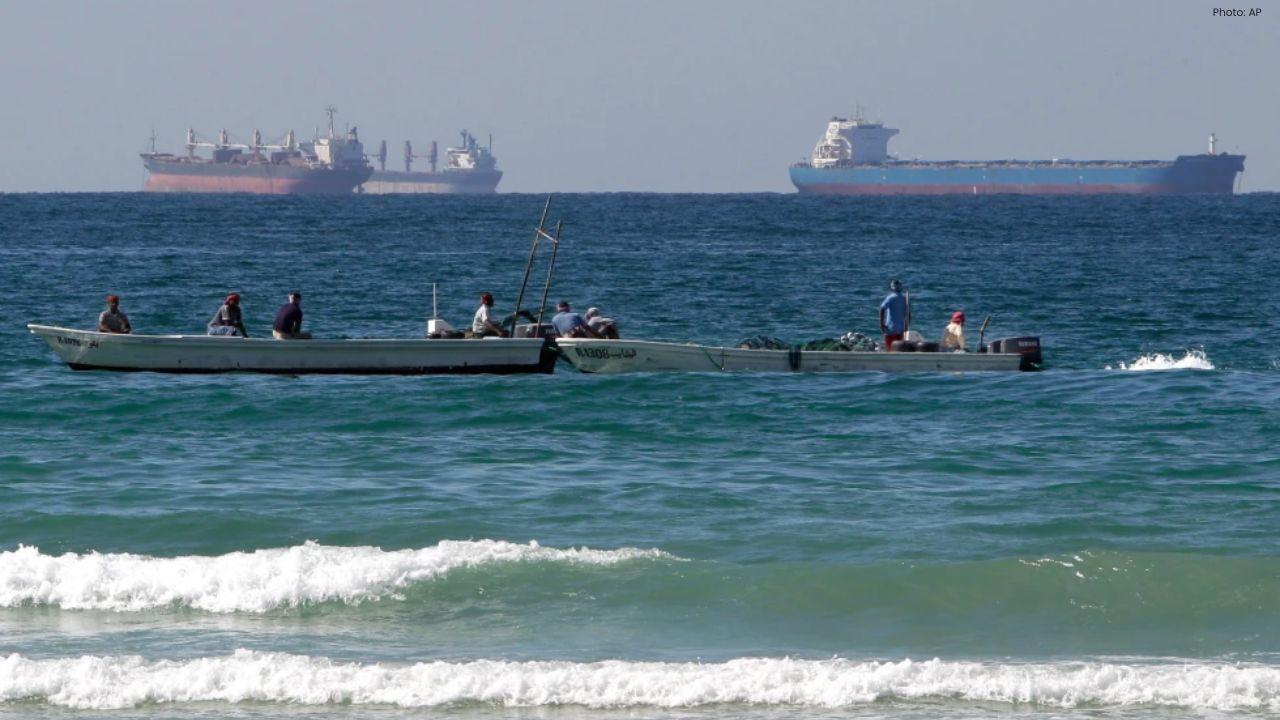
Energy markets have been particularly affected after tanker traffic through the strategic Strait of Hormuz nearly stopped due to security risks.
The strait is one of the world’s most important energy routes, carrying about 20% of global oil supply from countries including:
-
Saudi Arabia
-
Kuwait
-
Iraq
-
Qatar
-
Bahrain
-
United Arab Emirates
-
Iran
With shipping disrupted, global oil supply has tightened, pushing prices higher.
Temporary Boost for Russia’s Energy Revenues
Rising oil prices could temporarily help Russia, whose energy revenues had been falling due to Western sanctions and lower prices.
The United States and its allies have also imposed sanctions on major Russian oil companies such as:
Despite sanctions, Russia continues exporting oil using a “shadow fleet” of tankers with unclear ownership to bypass international price limits.
Why the US Allowed the Waiver
Scott Bessent, the US Treasury Secretary, said the 30-day waiver would not significantly benefit Russia financially because it mainly applies to oil that is already stuck on tankers without buyers.
Analysts estimate that around 125 million barrels of Russian crude are currently stranded at sea.
Bessent said the move is intended to ease pressure on global energy markets, which have become volatile after the conflict involving Iran.
LNG Supply Also Under Pressure
The global gas market is also facing disruptions. Qatar temporarily halted shipments of liquefied natural gas (LNG) after an Iranian drone strike hit one of its major LNG facilities.
This has increased competition worldwide for available LNG supplies, including cargoes from Russia.
As a result, natural gas prices in Europe have surged, raising concerns about the European Union’s plan to completely stop importing Russian gas by 2027.
Future Depends on the Iran Conflict
Energy analysts say the impact on oil prices will depend on how long the Iran conflict lasts.
-
If the conflict ends quickly, oil prices could fall back to around $65 per barrel.
-
But if the war continues and damages oil infrastructure in countries like Saudi Arabia, Iraq, Kuwait and the UAE, prices could rise above $100 per barrel.
Russia’s Economy Under Pressure
Russia has been struggling with falling energy income in recent months. Government data shows that oil and gas revenue dropped to a four-year low of 393 billion rubles ($5 billion) in January.
At the same time, Russia recorded a budget deficit of 1.7 trillion rubles ($21.8 billion) in the same month.
To manage the financial pressure from the prolonged war in Ukraine, Vladimir Putin has increased taxes and relied more on borrowing from domestic banks.
For now, rising oil prices caused by the Middle East conflict may provide temporary relief to Russia’s finances, but the long-term outlook remains uncertain.


 English