Post by : Saif
Al-Najjar
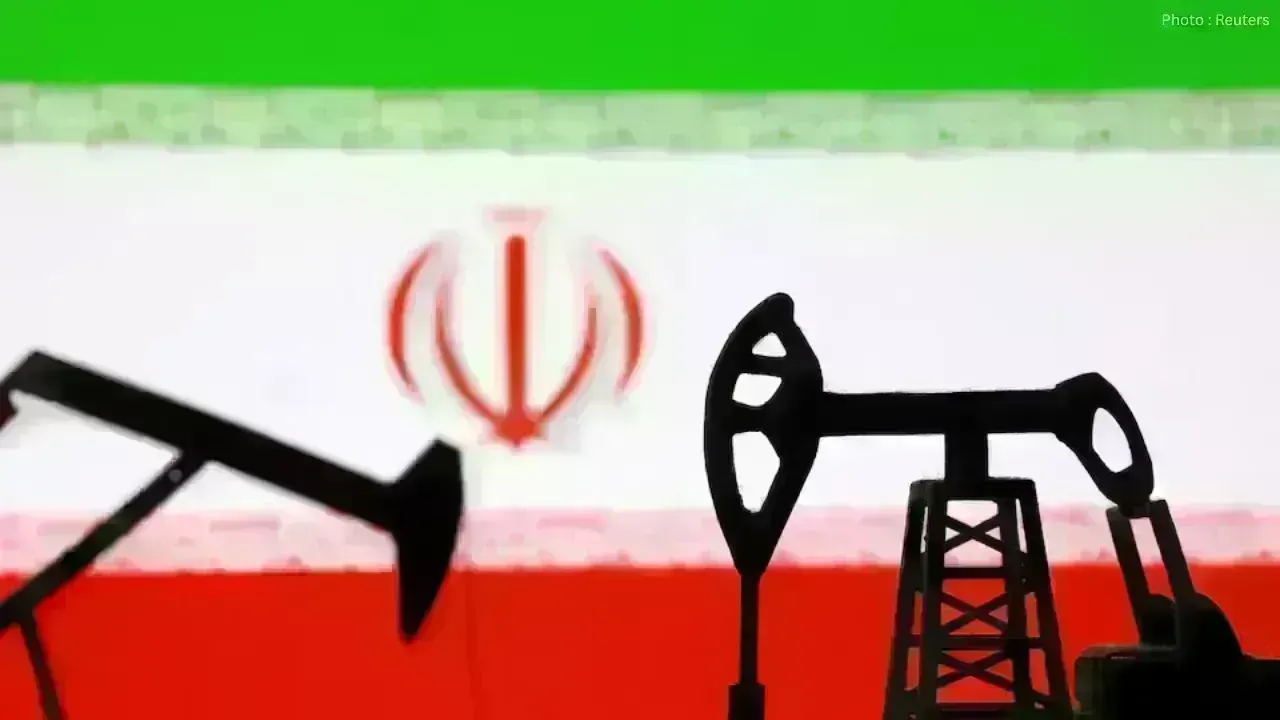
Trade sources indicate that Iranian crude oil supplies to Chinese buyers have experienced a notable decline as a result of a US blockade that limits shipments from Iran. The number of cargoes available for delivery in September and October has diminished, which has in turn driven up prices for certain grades of Iranian crude.
The US reinstated its blockade on Iranian shipping on July 13 following the collapse of a diplomatic agreement to resolve tensions between Washington and Tehran. This development has hindered Iran's ability to export oil, the country's primary source of foreign revenue.
Data suggests that Iranian oil exports have diminished since mid-July, with ship-tracking revealing no notable passages of supertankers carrying Iranian crude through the Strait of Hormuz during this timeframe. Nevertheless, the tracking of these vessels can be challenging as some disable their location systems.
Supply Issues for Chinese Independent Refiners
The reduction in Iranian crude is posing challenges for independent Chinese refiners, often referred to as "teapots." These facilities, predominantly located in Shandong province, manage about 20% of China's refining capacity and significantly engage in purchasing sanctioned crude.
Sources reveal that Iranian oil, which was previously available at considerable discounts, is now being offered at premiums over Brent crude, with estimates suggesting around a $2 per barrel premium, compared to discounts of approximately $3 per barrel before.
Additionally, the amount of Iranian crude stored on vessels outside the blockade zone has also dropped. Recent Kpler data shows floating Iranian oil stocks falling to roughly 80 million barrels, down from about 105 million barrels before the blockade was reinstated.
Analysts estimate that around 30 million barrels of Iranian crude remain in Asian waters, nearly half of the typical volume.
China’s Search for Alternative Crude Sources
As Iranian oil supplies grow more unpredictable, Chinese refiners are looking to source crude from alternative countries.
One independent refinery has recently opted for Brazil's Lapa crude, while others are evaluating Iraq's Basrah crude. Analysts suggest that with ongoing restrictions, Chinese refiners may broaden their search beyond Iran and Russia.
Chinese imports of Iranian oil have already seen a significant drop compared to last year. Provisional figures indicate shipments were around 785,000 barrels per day in June, the lowest since February 2023.
Estimates for July indicated imports of 823,000 barrels per day, but this fell to about 534,000 barrels per day in August.
In contrast, last year, China's average purchases of Iranian crude were approximately 1.4 million barrels per day.
New US Sanctions Heighten Concerns
Further pressure on Iran could increase following remarks from US Treasury Secretary Scott Bessent, who announced upcoming sanctions that he claims will be the "toughest in history" against Tehran.
The US aims to persuade Iran to reopen the Strait of Hormuz and resolve the ongoing conflict. Any additional sanctions might further hinder Iranian oil's access to global markets.
Independent Chinese refiners are closely monitoring these developments, as they might become targets for US sanctions should they continue purchasing Iranian oil.
Nonetheless, some industry insiders believe that despite harsher sanctions, it won't completely halt purchases, as refiners with past US restrictions have persisted in processing Iranian crude.
China remains the largest importer of Iranian crude, making up over 80% of Iran's seaborne oil exports based on anticipated data for 2025.
Beijing has opposed unilateral sanctions, advocating for diplomatic and political resolutions rather than economic pressure.
Iran's Economic Stress Intensifies
The decline in oil exports is likely to exert additional pressure on Iran's economy, which is heavily reliant on energy sales for its foreign currency reserves.
Previous US sanctions had already significantly reduced Iranian oil exports in 2019, and increased restrictions could once again limit Tehran's capacity to market crude on a global scale.
For Chinese refiners, this situation could result in heightened costs and increased competition for alternative supplies. For international markets, sustained disruptions in the Strait of Hormuz could add further uncertainty regarding oil availability and pricing.


 English