Post by : Saif
Al-Najjar
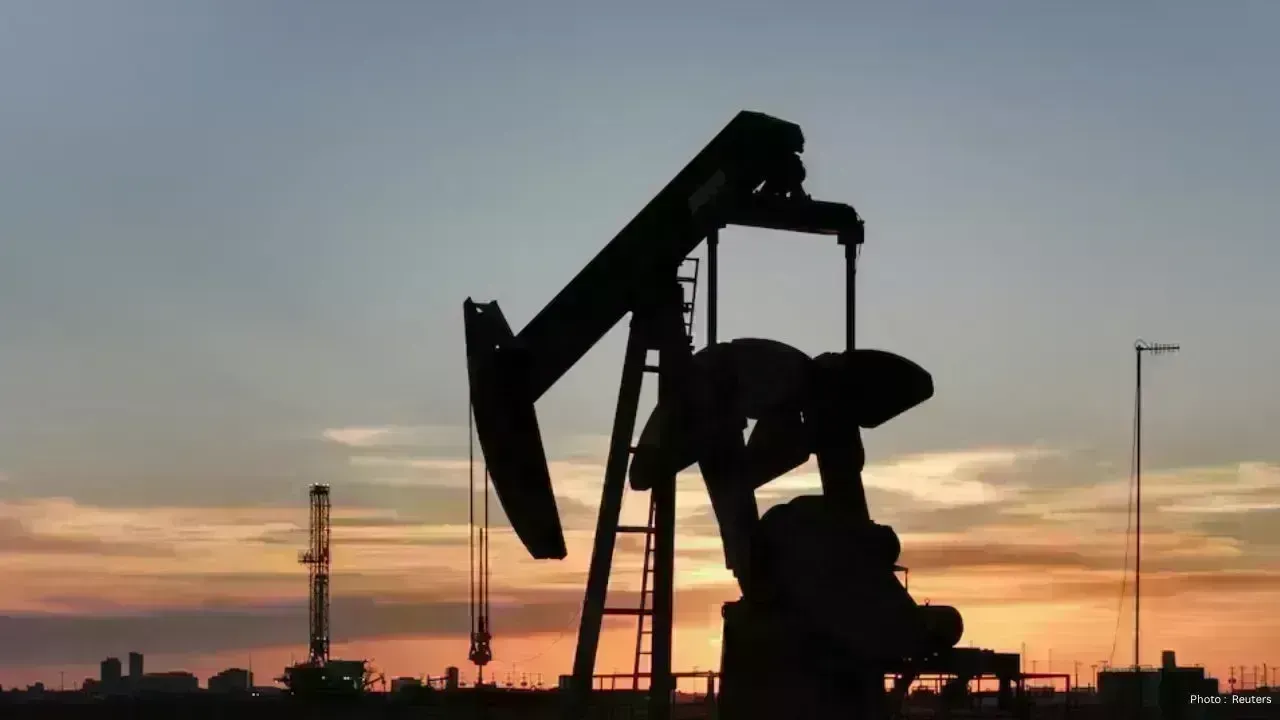
The oil market experienced a noticeable downturn as US crude prices declined, reflecting cautious investor sentiment ahead of the impending ceasefire deadline between the United States and Iran. This decrease signifies the growing unease regarding the ongoing peace discussions and the potential impact on regional oil supply.
Recent trading figures indicate a dip in US crude futures after a notable rise in the previous trading session. This swift shift underscores the sensitivity of oil markets to political events in the Middle East, with investors quick to react to any signs of stability or risk.
The upcoming ceasefire deadline is pivotal for market dynamics. While the current pause in hostilities has eased immediate concerns, uncertainties linger about the continuation of this peace. A resurgence in tensions could disrupt oil supply, prompting another spike in prices.
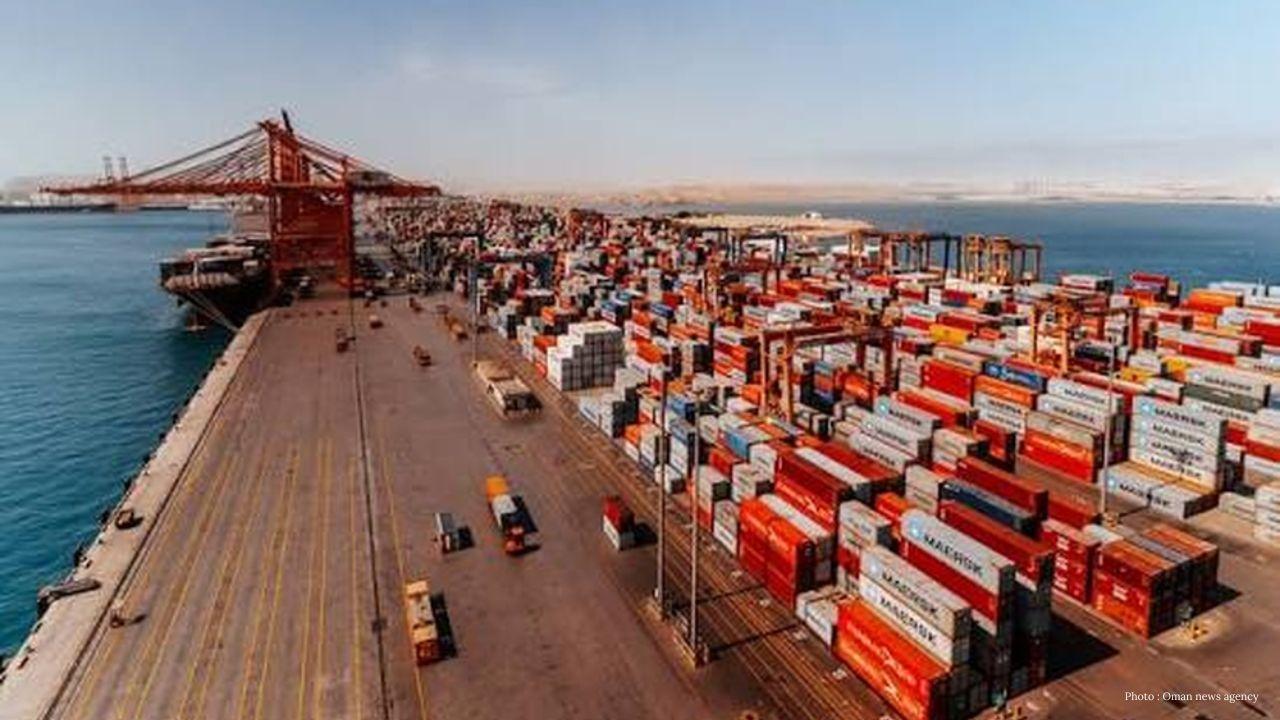
A significant area of concern remains the Strait of Hormuz, through which a large portion of global oil is transported. Any interruptions in this critical route could significantly affect global energy markets, with even minor incidents triggering substantial price fluctuations.
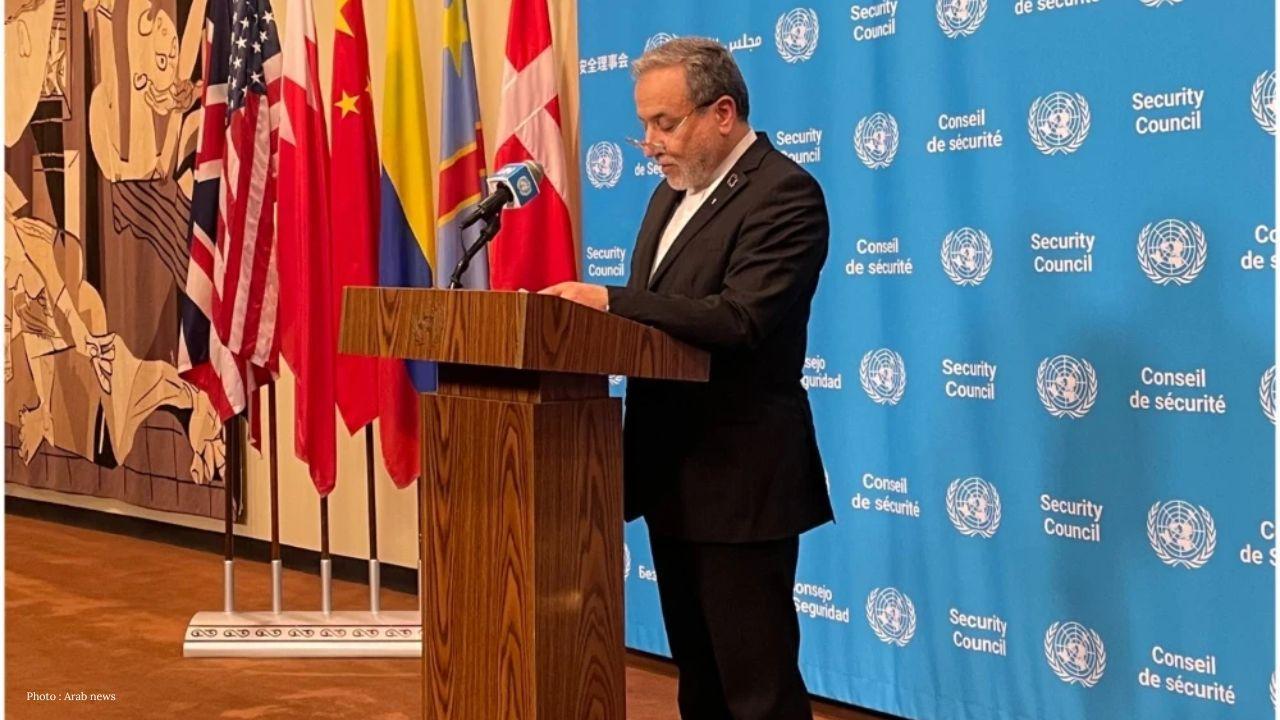
Market participants are also closely monitoring the likelihood of renewed negotiations between the US and Iran. Should discussions progress and tensions diminish, there may be an influx of oil into the market, potentially stabilizing or even lowering prices.
Nevertheless, the landscape remains unpredictable. Disputes persist between both parties, and reports of minor infractions have heightened anxieties. Shipping operations in the Strait of Hormuz are yet to return to pre-conflict levels, which compounds the market’s caution.
The swift variances in oil prices highlight how rapidly global markets respond to developments. Not long ago, fears of conflict drove prices higher, while the prospect of negotiations has now sent them in the opposite direction.
Experts suggest that even if the ceasefire holds, the market may need time to find its footing. Infrastructure damage, supply chain delays, and ongoing tensions can keep oil prices volatile.
Fluctuations in oil prices have far-reaching effects on the global economy. Changes in crude oil pricing influence fuel rates, transportation costs, and even consumer product pricing, indicating that movements in oil markets can affect everyday life across the globe.
Investors are also evaluating other variables such as global demand and supply conditions. These factors, alongside political developments, will dictate price movements in the future.
This situation underscores the intricate relationship between global politics and economic markets. Diplomatic decisions can swiftly reshape market landscapes, reflecting the interconnected nature of the modern world.
As the ceasefire deadline approaches, all eyes are on whether the United States and Iran can solidify a stable accord. The outcome will be crucial in dictating oil prices and broader economic trends in the ensuing weeks.


 English