Post by : Saif
Al-Najjar
The Middle East finds itself at a critical juncture as US forces successfully intercepted Iranian attacks, coinciding with heightened Israeli military actions in Lebanon. These developments intensify worries that the conflict may extend far beyond its current borders, compelling additional nations to engage and adding layers of instability to an already fragile situation.
The military maneuvers illustrate the increasing intricacies of the ongoing crisis. What began as individual clashes is now evolving into a significant regional challenge that implicates various governments, armed factions, and international actors. As military operations unfold across numerous fronts, anxiety grows that localized skirmishes could escalate into a much larger security dilemma.
Reports indicate that American defense mechanisms were deployed to neutralize incoming threats linked to Iran, focusing on safeguarding military assets and ensuring stability in strategic areas throughout the region. This operation underscores the United States' pivotal role in Middle Eastern security, particularly in times of heightened tension.
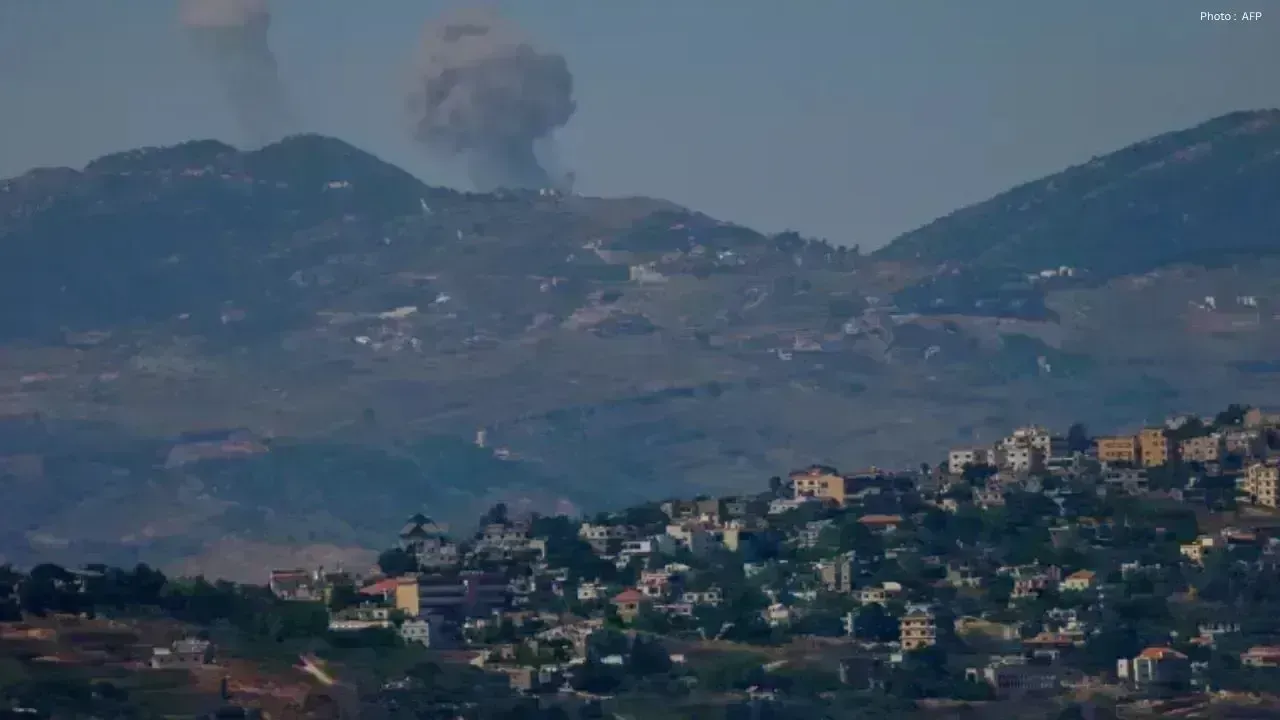
Concurrently, Israeli forces are intensifying their operations in Lebanon, targeting sites associated with armed groups near the border. This ongoing campaign echoes Israel's persistent security issues and its conviction that military action is a requisite to counteract threats from adjacent territories.
The convergence of these actions has resulted in a highly volatile scenario. Military engagements involving multiple participants heighten the risk of miscalculations, misunderstandings, or unintentional escalations. Even minor incidents have the potential to spiral into more significant confrontations when various stakeholders are involved.
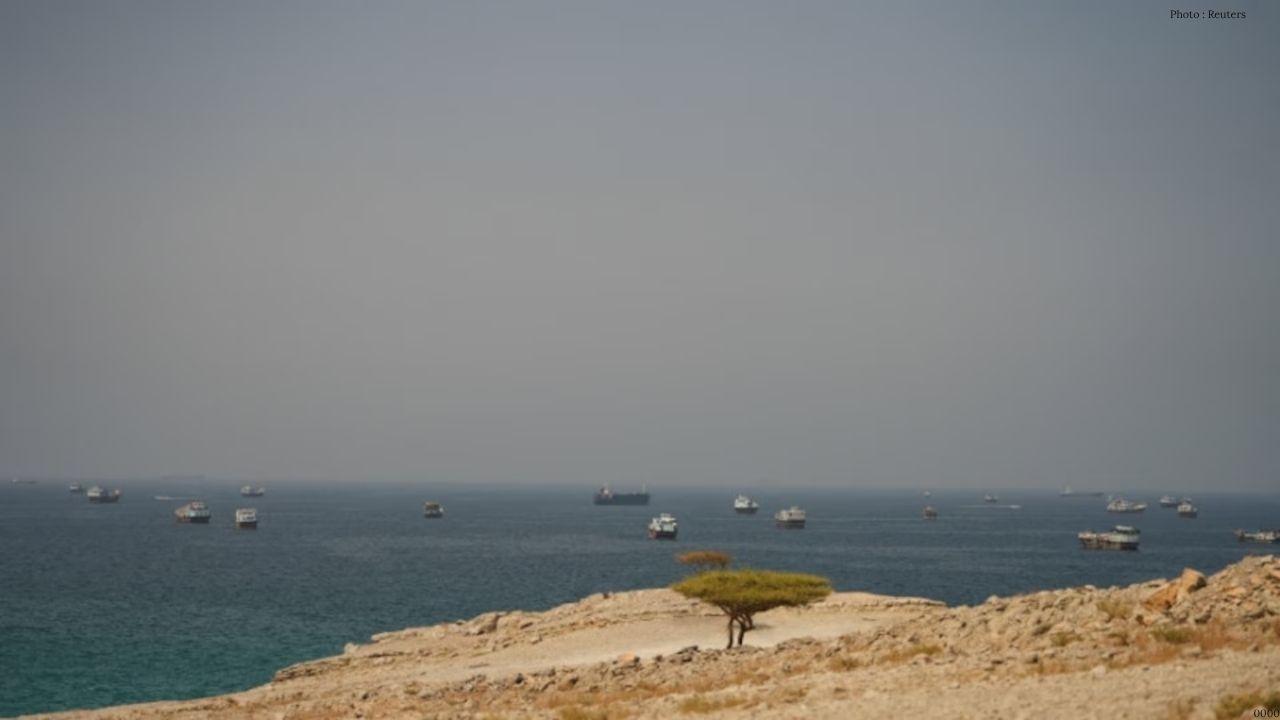
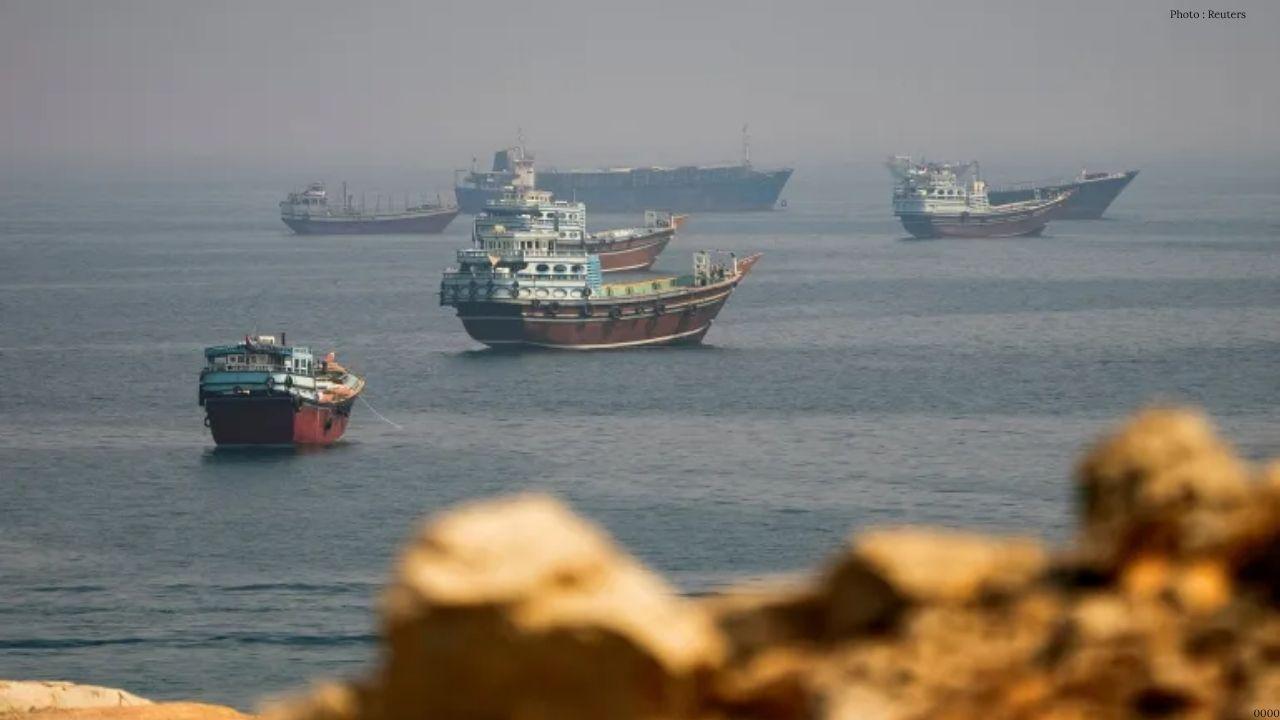
One predominant concern is the risk of the conflict spilling over its present limits. Regional governments remain vigilant, understanding the severe ramifications instability can bring to security, economic activities, and diplomatic interactions. A broader conflict could jeopardize vital trade routes, energy supplies, and national economies throughout the region.
The humanitarian toll also poses a substantial worry. Ongoing military operations endanger civilian lives and perpetuate uncertainty for families residing in conflict-affected zones. Communities frequently experience upheaval in daily activities, facing challenges in transportation, education, healthcare, and economic pursuits. Persistent instability can impose enduring consequences that linger long after military actions conclude.
Recent events accentuate the critical relevance of air defense systems in contemporary warfare. Innovative interception technologies play a vital role in national security frameworks, equipping nations to counter missile and drone strikes before they can hit targets. Although these systems can mitigate immediate threats, they fail to tackle the underlying political issues that often fuel conflicts.
In light of ongoing military engagement, diplomatic initiatives remain crucial. Numerous global leaders continue advocating for restraint and negotiations, cautioning that escalating tensions may further complicate any potential for peace. Historical patterns reveal that military solutions in the Middle East rarely yield enduring resolutions. Sustainable stability fundamentally relies on dialogue, negotiation, and political compromise.
The involvement of major global powers adds another layer of nuance. Actions by governments in Washington, Tehran, and Jerusalem have the potential to shape security dynamics throughout the region. As a result, developments are being meticulously monitored by countries worldwide, many of which have vested economic and strategic interests related to Middle Eastern stability.
The energy markets are especially susceptible to fluctuations in regional stability. The Middle East remains a vital source of oil and natural gas, making any signs of military unrest concerning for international markets and energy prices.
For everyday citizens, the relentless cycle of military escalation and reprisal breeds uncertainty regarding their futures. Many in the region aspire for enhanced stability, economic growth, and opportunities for younger generations. Ongoing conflicts pose a severe risk to these ambitions and hinder long-term progress.
The current landscape illustrates how interconnected regional security has become. Actions taken in one nation can swiftly affect situations in others, creating a ripple effect impacting millions. This reality underscores the imperative for diplomatic engagement at this critical juncture.
The interception of Iranian aggression by US forces, alongside the sustained operations of Israel in Lebanon, heightens the urgency for measures aimed at averting a wider conflict. While military actions can address immediate concerns, long-lasting peace is contingent on political resolutions and meaningful dialogues. The upcoming weeks will be pivotal in determining whether regional leaders can lower tensions or if the crisis escalates into a more perilous stage.


 English