Post by : Raina
Al-Fahim
US Imposes Tariff on Singaporean Goods Due to Labour Practices
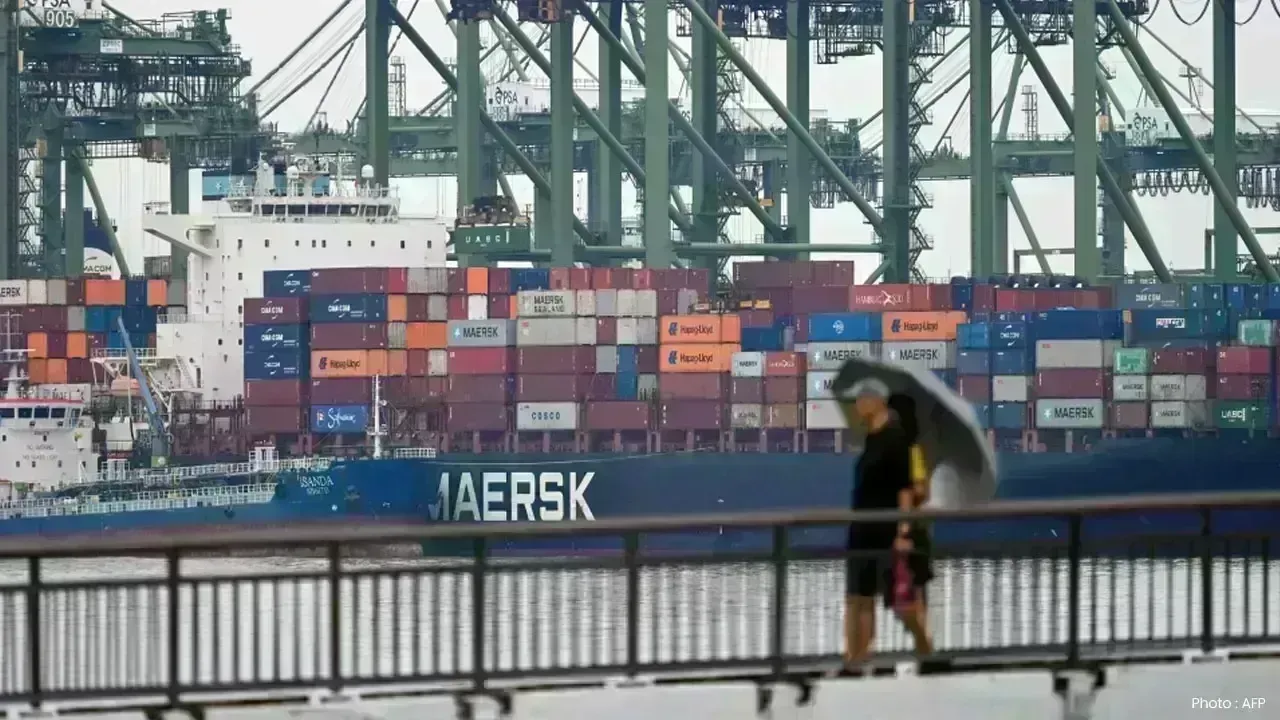
The United States has enacted a 12.5% tariff on a significant portion of Singapore’s exports, attributing the move to apprehensions over forced labour.
This tariff took effect on July 24, 2026, following an investigation by the US Trade Representative (USTR) into labour conditions in various nations.
Singapore has vehemently denied the accusations, asserting its commitment to eliminating forced labour and its robust measures to combat unlawful employment.
Tariff Justification by the US
The US government clarified that the tariffs are intended to address concerns tied to forced labour in global supply networks.
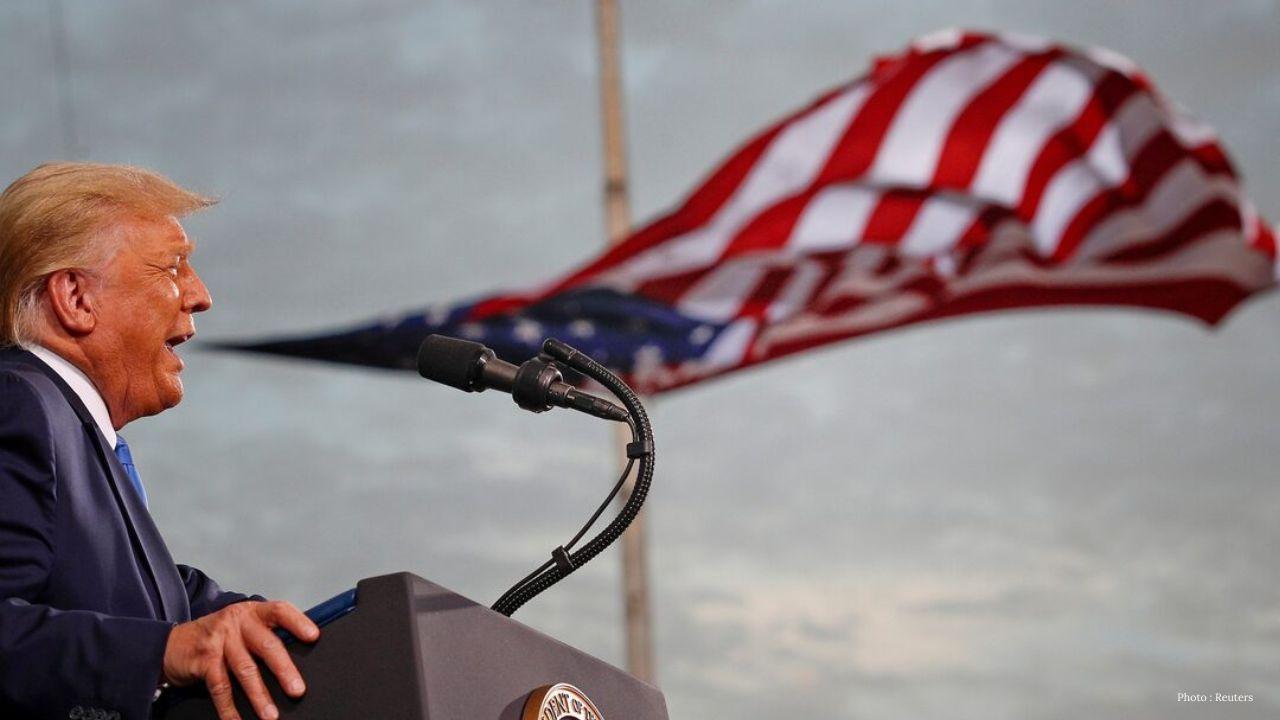
US Trade Representative Jamieson Greer emphasized that the US has enforced a long-standing ban on imports related to forced labour and anticipates compliance from its trade partners.
After an investigation that began in March and concluded in July, Singapore was classified among 45 nations subject to a 12.5% tariff.
Other nations also faced tariffs, although some received reduced rates after implementing stricter forced labour policies.
Singapore's Rejection of US Allegations
The Ministry of Trade and Industry (MTI) of Singapore has dismissed the allegations regarding unfair trade practices.
The government reiterated its comprehensive legislative framework and solid enforcement record against forced labour.
Officials pointed out that forced labour issues within global supply chains are intricate international matters requiring cooperation among countries.
Singapore is committed to ongoing dialogues with international partners to address these concerns while safeguarding its trade interests.
Singapore Raises Concerns in US Diplomatic Engagements
During discussions with US Secretary of State Marco Rubio in Manila, Singaporean Foreign Minister Vivian Balakrishnan reportedly raised the tariff issue.
Officials from Singapore are seeking clarity on the tariff implementation and its potential repercussions for businesses.
Exemption Categories from the New Tariffs
Certain key sectors and products will not be affected by the US tariffs.
Exempt items include:
- Energy products
- Pharmaceuticals
- Selected electronics
- Aerospace products
- Semiconductors
- Metals used for currency and bullion
- Products already subject to Section 232 tariffs, including steel, aluminium, copper, automobiles, and trucks
These exemptions mitigate the immediate effects on several vital sectors of Singapore’s export economy.
Manufacturing Sector's Response to New Tariffs
This newly imposed tariff has generated uncertainty among manufacturers reliant on international trade.
Lennon Tan, President of the Singapore Manufacturing Federation, stated that the tariff decision does not correspond with the standards adhered to by numerous Singaporean companies.
Manufacturers are exploring strategies such as:
- Entering new global markets
- Enhancing supply chains
- Minimizing reliance on specific export destinations
- Leveraging free trade agreements to sustain competitiveness
Broader Implications for Trade in Southeast Asia
The US's tariff action is part of a wider assessment of labour practices and trading policies impacting several economies.
Multiple countries in Southeast Asia are also included in these US measures, raising concerns over potential effects on regional exports and supply chains.
This development emphasizes increasing pressure on Asian exporters to comply with international labour standards while preserving competitive trade relationships.


 English