Post by : Shweta
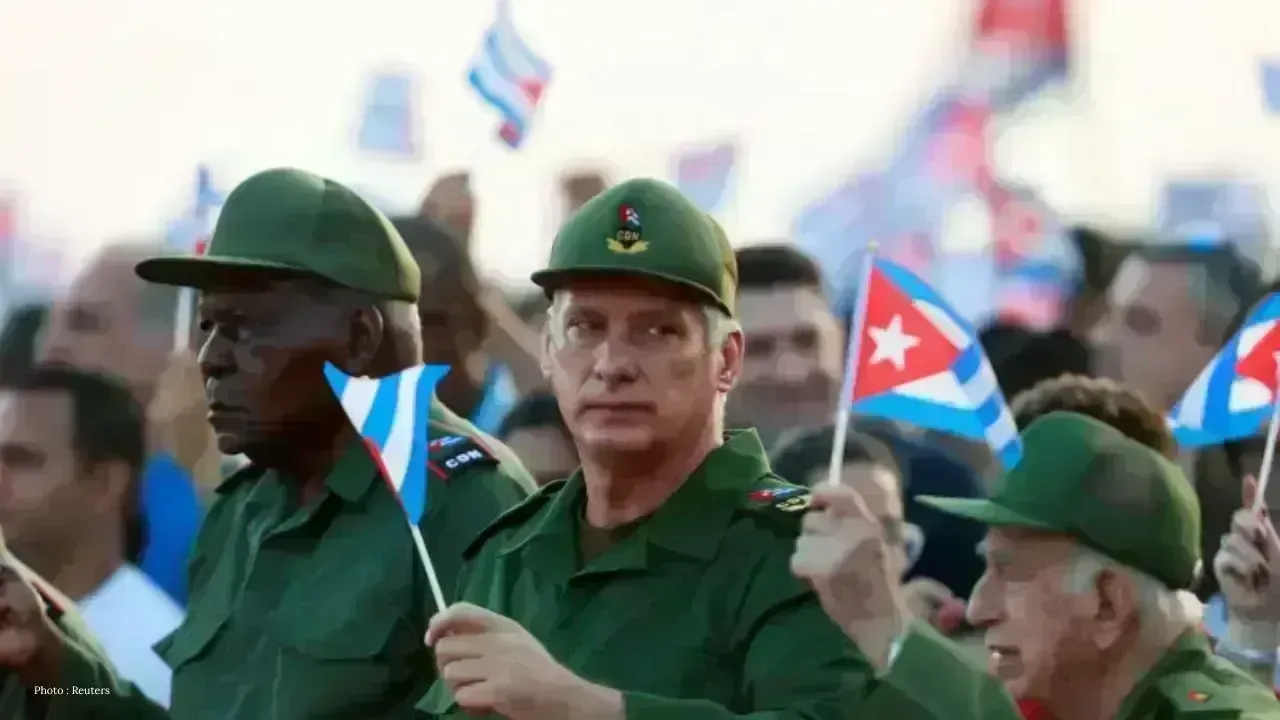
The United States has imposed new sanctions on Cuban President Miguel Diaz-Canel, marking a significant escalation in Washington’s efforts to pressure the Cuban government. The move reflects ongoing tensions between the two countries and signals a tougher approach toward Havana over concerns related to human rights, political freedoms, and government actions in Cuba.
The sanctions were announced by U.S. officials as part of broader measures targeting individuals and institutions linked to the Cuban government. American authorities stated that the action is intended to hold senior officials accountable for policies and actions that Washington says have contributed to restrictions on civil liberties and political dissent.
President Miguel Diaz-Canel, who has led Cuba since 2018, has been a central figure in the country’s political leadership during a period marked by economic challenges, international sanctions, and domestic protests. The latest U.S. measures place additional diplomatic pressure on his administration and are expected to further strain already limited relations between the two countries.
According to U.S. officials, the sanctions include restrictions designed to limit access to certain financial and travel-related privileges under American jurisdiction. Such measures are commonly used by the United States as a foreign policy tool against government officials accused of involvement in activities that Washington considers contrary to democratic principles or human rights standards.
The Cuban government strongly criticized the sanctions, describing them as another example of U.S. interference in the country's internal affairs. Cuban officials have repeatedly argued that economic restrictions imposed by Washington contribute to hardships faced by the island's population and hinder economic development efforts.
Relations between the United States and Cuba have experienced periods of both cooperation and confrontation over the past several decades. While some diplomatic ties were restored during previous administrations, many restrictions remained in place, and disagreements over governance, political rights, and economic policies continued to shape the relationship.
The latest sanctions come amid continuing international discussions regarding conditions inside Cuba. Human rights organizations have raised concerns about the treatment of political activists, restrictions on freedom of expression, and the detention of individuals involved in anti-government demonstrations. Cuban authorities, however, maintain that they are protecting national stability and enforcing domestic laws.
Analysts note that sanctions often carry both political and symbolic significance. While they may increase pressure on targeted leaders, their broader effectiveness in changing government policies remains a subject of debate among foreign policy experts. Supporters argue that sanctions promote accountability, while critics contend that they can complicate diplomatic engagement and have indirect economic consequences.
The decision also reflects broader U.S. policy priorities in the Western Hemisphere. Washington has frequently emphasized support for democratic institutions, political freedoms, and human rights across the region. Actions taken against Cuba are often viewed within the wider context of American foreign policy toward Latin America.
Economic conditions in Cuba remain a major challenge for the government. The country has faced inflation, shortages of essential goods, energy concerns, and difficulties attracting foreign investment. Many economists believe these pressures, combined with existing sanctions and structural economic issues, continue to affect everyday life for Cuban citizens.
International reactions to the latest sanctions have been mixed. Some governments and advocacy groups have welcomed measures aimed at promoting accountability, while others have called for greater diplomatic engagement rather than increased restrictions. The issue remains a point of division within the international community.
Despite the growing pressure from Washington, there is no indication that the Cuban government plans to alter its policies in response to the sanctions. Officials in Havana have continued to defend their political system and reject external criticism.
The latest development suggests that relations between the United States and Cuba are likely to remain tense in the near future. As both governments maintain their positions, observers will be watching closely to see whether additional sanctions, diplomatic initiatives, or policy changes emerge in the months ahead.
For all the latest major updates and in-depth coverage, stay connected with us.


 English