Post by : Shweta
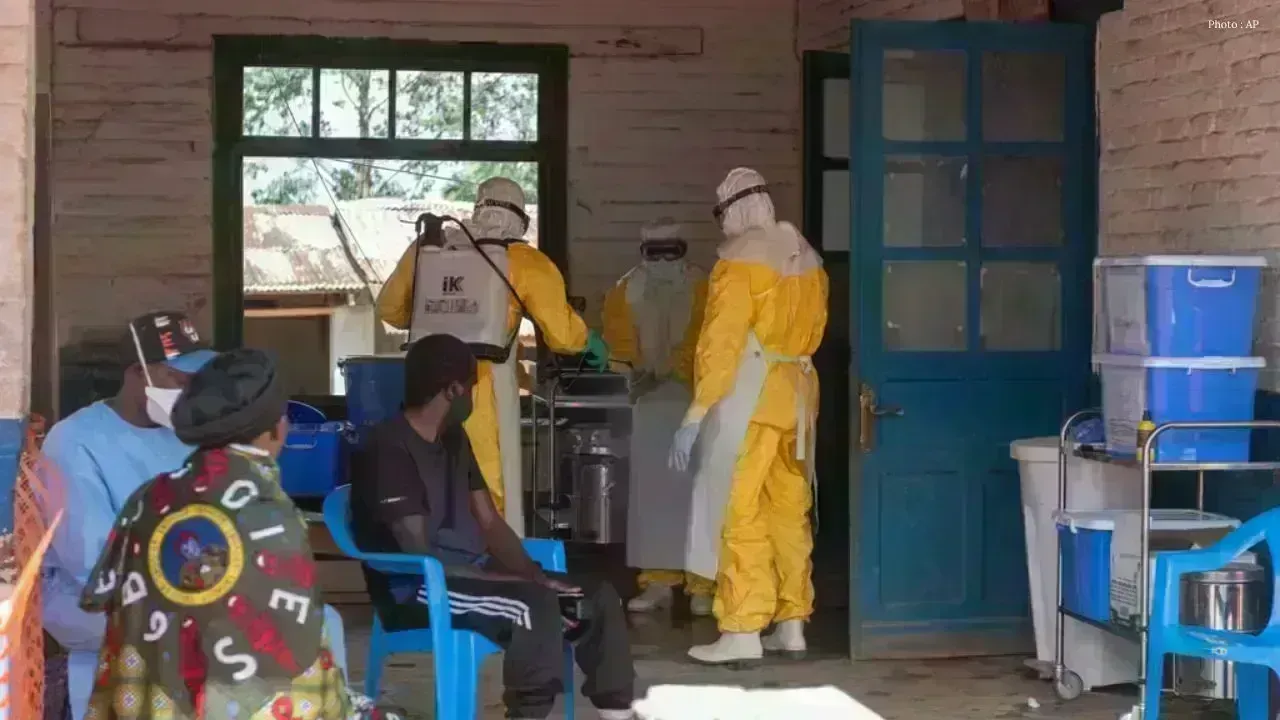
The World Health Organization (WHO) has issued a worrying alert as records show that nearly 500 confirmed cases of Ebola have surfaced in the ongoing outbreak across Central Africa. This spike has sparked urgent discussions among health officials regarding the necessity for vigilant monitoring and proactive measures to contain the virus.
As per the WHO, the situation presents a significant public health hurdle, with healthcare workers and local governance striving to monitor infections, provide treatment, and curb further spread. The organization has underscored the importance of enhancing disease tracking systems and ensuring vital support reaches affected communities to contain infection rates.
Ebola is known for its severe effects and is transmitted via direct contact with the bodily fluids of infected individuals and contaminated surfaces. Historical outbreaks have highlighted the critical need for early detection, patient isolation, and coordinated health initiatives. Experts stress that swift intervention is pivotal in minimizing deaths and halting extensive transmission.
Current statistics reflect that the outbreak is impacting multiple regions in Central Africa. Medical teams are collaborating with local governments and international entities to identify cases, trace contacts, and enhance healthcare accessibility. Vaccination initiatives and educational outreach are integral parts of the overall response strategy targeting outbreak containment.
Officials from the WHO have reiterated the importance of international collaboration. Health bodies and aid organizations are mobilizing resources to support impacted regions and national authorities alike. Continued monitoring and provision of technical aid are ongoing as the situation develops.
Past incidents with Ebola have illustrated the difficulties faced in addressing infectious diseases in areas lacking robust healthcare frameworks. Experts indicate that managing outbreaks becomes increasingly complex when access to medical facilities is compromised or when conflicts disrupt public health initiatives.
Community involvement is recognized as a crucial component in the response effort. Health authorities encourage locals to quickly report symptoms and adhere to safety guidelines. Awareness campaigns are designed to counter misinformation and improve understanding of preventative actions.
Despite the current outbreak predominantly affecting Central Africa, international health officials remain on alert as infectious diseases tend to transcend borders. Global health organizations stress that cooperative measures are vital to curb potential spread.
The WHO has advocated for long-term commitment to strengthen health systems and readiness for emergencies. Enhancements in laboratory capacities, surveillance systems, and ensuring the availability of vaccines and medical supplies are seen as essential aspects of managing outbreaks.
Advancements in vaccine and treatment modalities have increased the response capacity to Ebola compared to previous outbreaks. However, experts advise that consistent vigilance is critical, especially in resource-limited healthcare environments.
Governments and charity organizations are anticipated to maintain collaborative efforts to assist affected areas and ensure that health responses remain effectively managed. Public health officials are also calling on neighboring nations to uphold robust monitoring systems and preparedness strategies.
This recent outbreak serves as a poignant reminder of the persistent challenges posed by infectious diseases and the imperative for global cooperation in safeguarding public health. Although significant strides have been made in managing Ebola, health authorities emphasize that sustained efforts are essential to preventing further infections and preserving lives.
As teams ramp up their response, the WHO along with partner organizations plans to enhance surveillance, support treatment facilities, and boost vaccination efforts. These actions will be crucial in controlling the outbreak and mitigating its long-term effects on the communities involved.
Stay tuned for further crucial updates and developments.


 English