Post by : Shweta
The World Health Organization (WHO) has reported that while the risk for Ebola transmission remains elevated in impacted local regions, the global threat level is currently deemed low. Authorities are closely monitoring the situation as containment efforts ramp up to avoid further infections.
Local outbreaks have generated serious concerns due to the potential for community and healthcare system transmission. Nonetheless, experts believe that vigilant surveillance and rapid response strategies are effectively curtailing the chances of an international outbreak at this time.
Ebola is a grave viral illness that spreads primarily through direct contact with the bodily fluids of infected individuals or contaminated objects. Symptoms may include fever, fatigue, vomiting, hemorrhaging, and organ failure. Historical outbreaks in Africa illustrate the rapid spread that can occur if health systems falter or preventive actions lag.
The WHO has emphasized that local health authorities are collaborating with international bodies to enhance testing protocols, patient isolation, contact tracing, and medical treatment in the affected areas. Vaccination initiatives and emergency teams have also been mobilized to combat the outbreak and safeguard both healthcare workers and surrounding communities.
While the global risk is classified as low, health officials recommend that nations maintain heightened preparedness and vigilantly oversee travelers from the regions impacted. Quick detection and immediate isolation of suspected cases remain vital to staving off any cross-border spread.
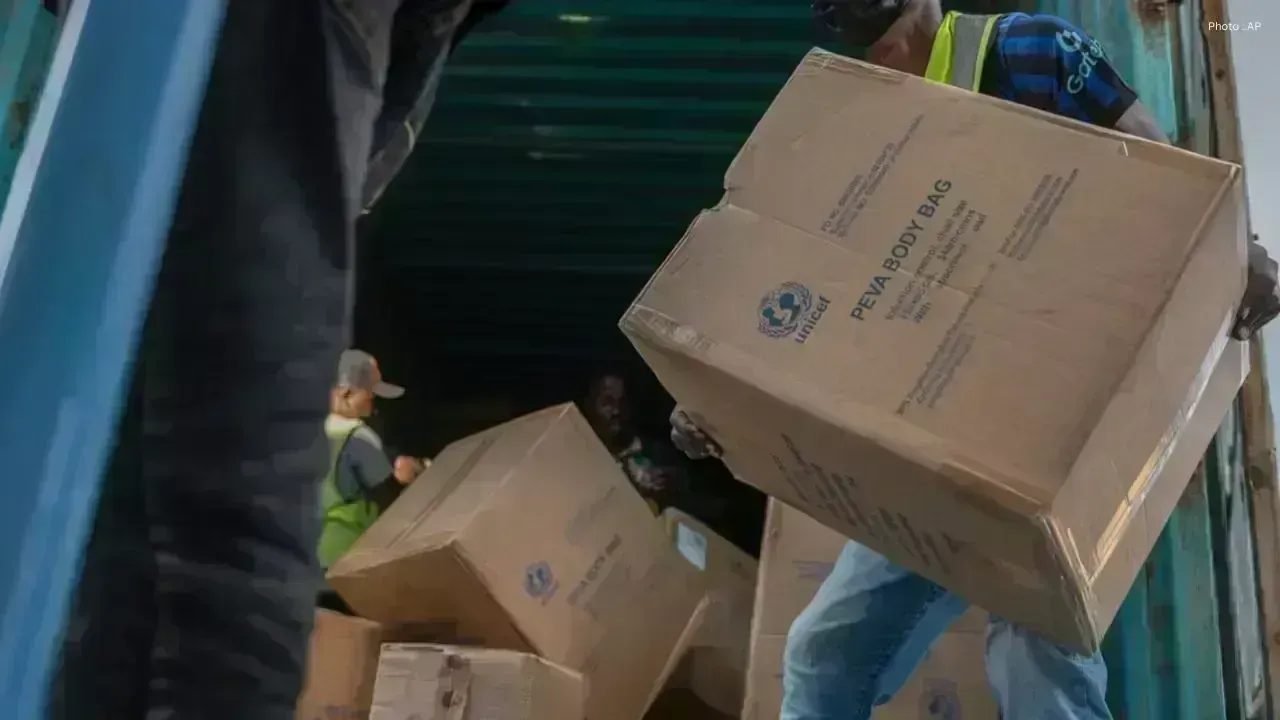
A number of governments and global health organizations are coordinating efforts for outbreak responses, including the provision of medical supplies, emergency funding, lab resources, and healthcare support. Additionally, public health campaigns aim to enhance community awareness, mitigate misinformation, and promote timely reporting of symptoms.
Experts have pointed out that insights gained from previous Ebola crises and the COVID-19 pandemic have bolstered global preparedness and response frameworks. Enhanced communication, robust surveillance, and improved cooperation among nations are enabling health authorities to act more effectively against emerging threats.
Despite reassurances regarding the low global threat, WHO officials have stressed that the circumstances remain dire in affected locales, warranting sustained international focus. The organization has urged governments to stay vigilant and support efforts to prevent exacerbation of the outbreak.
Updates from health authorities are expected as investigations, treatment plans, and monitoring pursuits progress in the upcoming weeks.


 English