Post by : Shweta
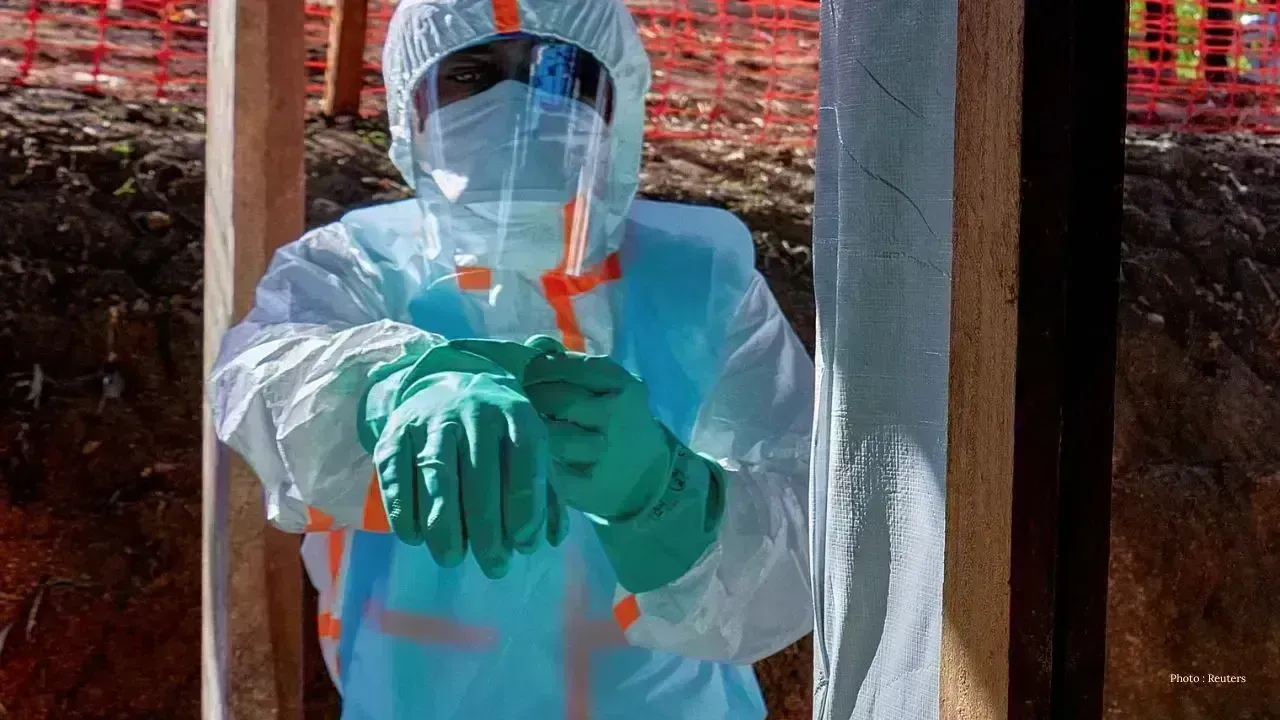
The World Health Organization (WHO) is calling for enhanced community engagement in the Democratic Republic of the Congo (DRC) as health officials fight against a rapidly escalating Ebola outbreak that has impacted hundreds. The WHO highlights that public participation is crucial for curbing the spread of the lethal virus, particularly as health teams experience significant challenges in various affected areas.
During a visit to Bunia, the capital of Ituri province—which has emerged as a primary outbreak zone—WHO Director-General Dr. Tedros Adhanom Ghebreyesus conveyed the importance of community collaboration. He asserted that combating Ebola is a collective responsibility and necessitates cooperation from families, local leaders, healthcare professionals, and government entities. According to Tedros, effective management of the illness involves everyone, relying heavily on public involvement to regain control of the situation.
The current epidemic is traced back to the Bundibugyo strain of the Ebola virus, a rare type for which there is no available vaccine or specific treatment as of now. Despite heightened alarm among health experts, WHO officials affirm that infected individuals have a chance of survival with prompt medical care. Tedros encouraged anyone exhibiting symptoms to seek medical assistance immediately, rather than waiting until the situation worsens.
Health authorities note that one significant hurdle in the response is the reluctance of some local communities. Concerns have been raised regarding strict health protocols concerning burials and handling Ebola victims. Traditional burial customs hold substantial cultural significance in many areas, yet health experts warn that close contact with infected remains can greatly escalate transmission risks. Demonstrations against these measures have reportedly led to assaults on health facilities, creating additional peril for healthcare workers attempting to manage the outbreak.
The outbreak has reached disturbing proportions, with WHO and regional health bureaus reporting hundreds of confirmed cases and numerous suspected infections still under observation. The DRC has also documented multiple deaths linked to the virus, with neighboring Uganda reporting several cases. This cross-border activity raises significant concerns regarding regional health safety and the potential for broader transmission if the outbreak is not swiftly contained.
Nevertheless, health officials have noted some encouraging signs amidst the crisis. WHO recently revealed that several Ebola patients have effectively recovered and have been released from treatment centers. Medical authorities affirm that these recoveries indicate that timely diagnosis and supportive care can enhance survival odds, even in the absence of a specific vaccine for the Bundibugyo strain. A new treatment facility has been established in Bunia to bolster healthcare capabilities and enhance accessibility for impacted populations.
The situation is exacerbated by considerable challenges due to ongoing violence involving armed groups in eastern Congo, complicating response strategies and restricting access to some communities. Hostilities in parts of Ituri, North Kivu, and South Kivu provinces have displaced many individuals, hampering disease monitoring and contact tracing efforts. WHO has even advocated for a ceasefire in certain regions, asserting that these conflicts crucially hinder initiatives aimed at saving lives and halting the virus's spread.
International organizations are increasing their support for the response to this outbreak. WHO, the International Federation of Red Cross and Red Crescent Societies (IFRC), Médecins Sans Frontières (MSF), and other humanitarian groups are supplying medical supplies, training, surveillance aid, and emergency healthcare services. WHO has provided extensive medical equipment while assisting local authorities in fortifying testing, monitoring, and cross-border preparedness.
Experts caution that misinformation presents another substantial obstacle. False narratives regarding Ebola, fears surrounding treatment facilities, and mistrust toward authorities can deter individuals from seeking health care. Public health officials state that building trust within communities is just as vital as delivering medicines and supplies. They believe that local leaders and community organizations are vital in fostering cooperation and educating the public on how the disease spreads.
The outbreak has been declared a Public Health Emergency of International Concern by the WHO, underscoring the gravity of the situation. Authorities continue to monitor suspected cases not only in Central Africa but also globally, following the investigation of several travelers for potential infections. Although there has yet to be any significant international transmission confirmed, experts remain vigilant and continue to enhance monitoring systems.
For the time being, WHO officials express optimism that the outbreak can be effectively controlled with active community engagement in the response efforts. Their clear message is that medical teams cannot combat Ebola alone. The success of control measures will hinge on collaboration between residents, healthcare professionals, governments, and international bodies uniting to safeguard lives and prevent further spread of the disease. Despite the considerable challenges ahead, health specialists believe that increased community involvement could be pivotal in bringing this outbreak under control.


 English