Post by : Mikhael
Al-Saeed
Combatting Cold Winds While Riding: A Smart Motorbike Hack
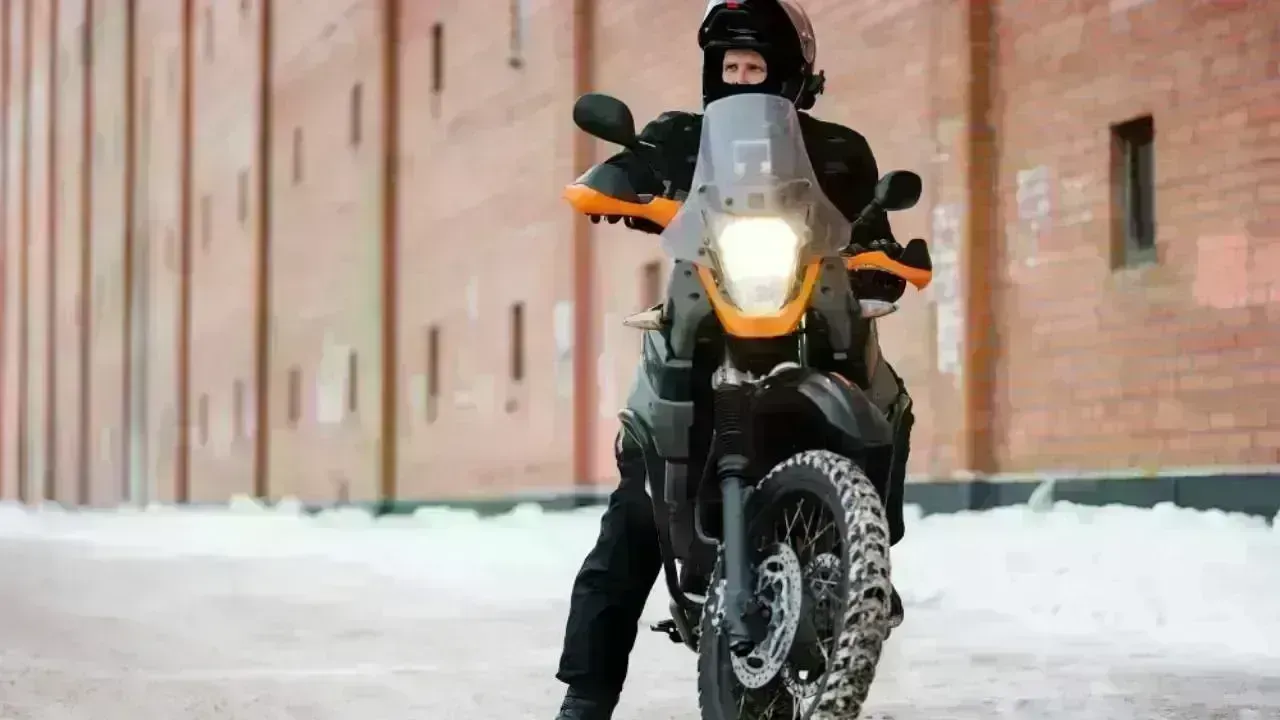
Cold winter mornings pose a significant challenge for motorbike enthusiasts. Whether you're commuting to work, delivering packages, or embarking on long journeys, the relentless cold winds can be quite daunting. These frigid gusts can not only create discomfort but also hamper concentration, mobility, and overall safety on the road.
Riders often experience numb hands and body stiffness, which may lead to diminished focus while navigating through traffic or highways. Contrary to common belief, expensive winter gear isn't the only solution; effectively blocking the cold air is crucial to a warm ride.
Implementing a simple adjustment can significantly enhance the comfort and safety of your winter rides.
Why Cold Winds Are More Intense on a Motorbike
Unlike when walking or driving a car, motorcyclists face direct exposure to the elements. Even at moderate speeds, cold air continuously assaults the body, causing heat to dissipate rapidly.
This phenomenon, known as wind chill, amplifies the chill experienced while riding, making even mild winter temperatures feel bitterly cold.
Most affected areas include the chest, neck, hands, and legs. Extended exposure can lead to tight muscles, loss of feeling in fingers, and overall fatigue, with some riders reporting breathing difficulties or joint pain after long rides in the cold.
The Effective Trick to Stay Warm
The key to managing winter riding conditions lies in blocking cold winds rather than piling on layers.
Many motorcyclists opt for bulky sweaters or thick wool layers that initially provide warmth; however, cold air often breaches these barriers through small openings, leading to an escape of body heat.
A more effective strategy involves using a thin wind-blocking layer close to the skin, which serves to maintain natural warmth.
How to Easily Block Cold Winds
You don't need pricey riding gear for this. Simple, readily available items can do the trick:
A thin windproof jacket worn beneath a regular jacket
A waterproof or plastic inner layer during extreme cold
A scarf or neck warmer secured properly to prevent air ingress
These lightweight layers do not hinder riding comfort, allowing for freedom of movement while keeping you cozy.
Advantages of Wind Blockage Over Heavy Clothing
Wearing heavy layers can be uncomfortable and restrictive. It limits mobility, which is vital for safe riding. Thick clothing can also permit airflow through zippers, collars, or areas with slack.
When the wind is effectively sealed out, even light clothing can keep you warm. Many riders discover that they feel warmer with less clothing once airflow is mitigated.
At speeds of 40 to 50 kilometers per hour, cold winds can make the body feel much cooler than the actual temperature, underscoring the importance of blocking airflow over merely adding layers.
Focus on Hands and Feet
Cold extremities can pose significant safety risks.
Numb fingers hinder grip on the handlebars, complicating brake and clutch usage. Additionally, cold feet can affect balance during stops and starts.
To mitigate this issue:
Wear thin cotton or thermal gloves inside heavier riding gloves
Opt for socks that prevent air entry rather than just thick wool pairs
Avoid tight footwear that constricts blood flow
Proper circulation is essential for keeping hands and feet warmly insulated. Restrictive footwear or gloves can exacerbate cold sensitivity.
Maintaining Warmth Enhances Alertness
Frigid conditions can sap energy quickly. The body expends additional resources to stay warm, leading to early onset fatigue, which impairs concentration and responsiveness in traffic.
By blocking cold winds, riders conserve energy, allowing for improved alertness, particularly during extended rides or nighttime travel.
A few additional practices to consider:
Take brief breaks during long rides
Enjoy a warm drink before beginning your ride
Ensure proper rest before early morning departures
Connecting Comfort and Safety
Many motorcyclists mistakenly believe winter discomfort is unavoidable. This mindset can lead to unsafe riding practices. Prolonged exposure to cold stress can compromise decision-making abilities.
Implementing simple strategies to retain warmth significantly enhances road safety.
This wind-blocking technique is beneficial for:
Affordable and effective, this method suits riders across all backgrounds.
A Minor Adjustment with Major Benefits
Winter riding doesn’t have to entail discomfort or numbness. By prioritizing the blockage of cold winds over excessive layering, riders can experience smoother, safer journeys.
This straightforward motorbike strategy illustrates that clever planning often outweighs costly gear. With the right mindset, winter riding can become more manageable and enjoyable.
Disclaimer
This article is intended for general knowledge and information purposes only. Recommendations provided are based on common riding experiences and general safety practices. They are not meant to substitute professional training, expert mechanical advice, or the use of approved safety gear. Conditions may differ due to individual health and weather; readers should apply their own judgment when riding. Always adhere to traffic regulations, official weather advice, and utilize certified protective equipment for safe winter travel.


 English