Post by : Saif
Al-Najjar
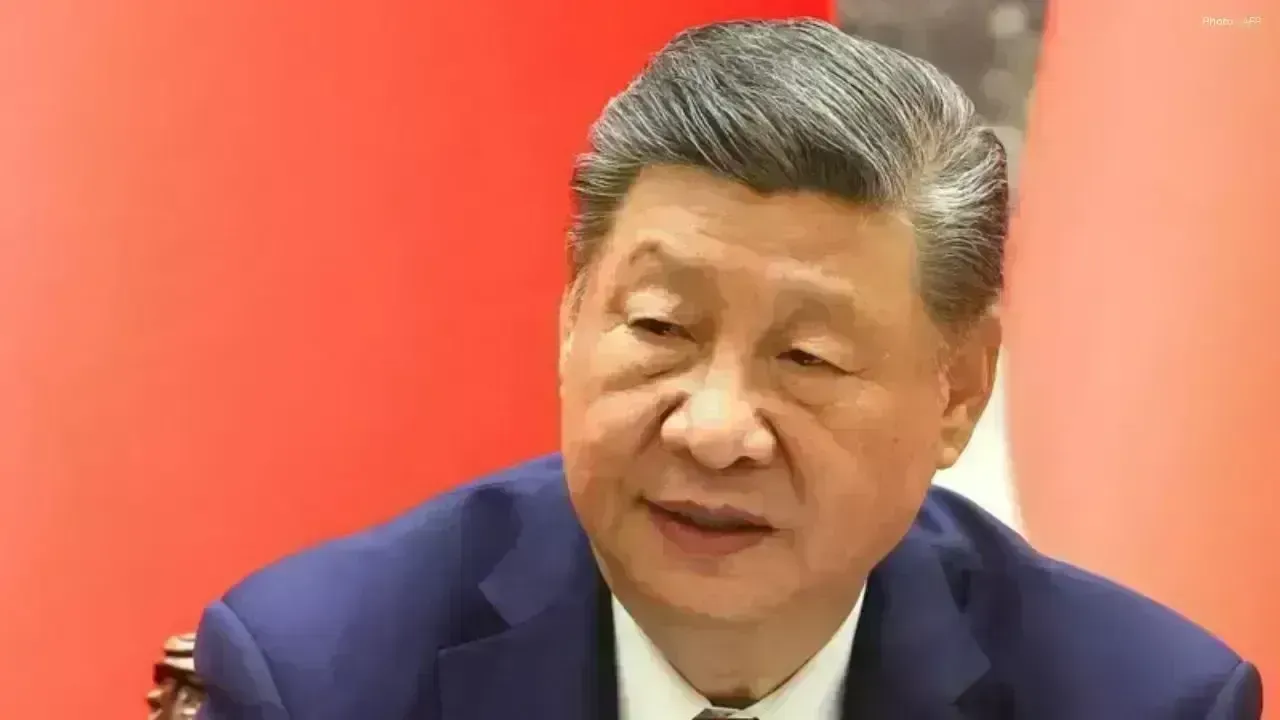
Chinese President Xi Jinping is preparing for a notable visit to North Korea, drawing substantial global interest and prompting discussions on the evolving dynamics of regional diplomacy in East Asia. This trip occurs as geopolitical tensions rise, and nations in the area are acutely aware of changing alliances and strategic realities.
This visit is particularly significant; meetings between the Chinese and North Korean leaders are rare. Such high-level interactions serve as crucial indicators of political objectives, economic collaboration, and security partnerships. Xi's journey could strengthen the bond between Beijing and Pyongyang and convey essential signals to other regional players and global powers.
The historical context of Sino-North Korean relations is vital. China stands as North Korea's foremost economic and political ally. Over the years, Beijing has provided essential support, maintaining economic connections despite ongoing international sanctions related to North Korea's nuclear ambitions. Although their relationship has faced strains, both nations consistently recognize each other as vital strategic allies.
Notably, the timing of the visit comes amidst rising military tensions, intensified competition among superpowers, and ongoing worries about the stability of the Korean Peninsula. The discussions are expected to center around security concerns, economic ties, and additional regional dynamics.
For North Korea, welcoming Xi Jinping presents a chance to bolster its standing on the global stage. The nation has been grappling with economic challenges due to sanctions and limited trade opportunities. Enhanced engagement with its principal trading partner may offer diplomatic advantages and open channels for fresh cooperation.
From Beijing's perspective, this visit is an opportunity to amplify its influence in a critical neighboring context. Ensuring stability along its borders is crucial for Chinese policymakers, and a solid relationship with Pyongyang alleviates uncertainty while allowing China to maintain relevance in discussions concerning the Korean Peninsula.
The international community, especially Washington, Seoul, and Tokyo, will scrutinize the meeting closely. These capitals have been vigilant regarding North Korea’s military activities and regional security matters, and any enhanced coordination between Beijing and Pyongyang could significantly impact diplomatic strategies in the region.
Economic discussions are also likely to be a focal point, as both China and North Korea seek means to sustain trade under current international constraints. Enhancing economic cooperation could foster developmental projects and solidify commercial relationships across borders.
Broader implications of the visit underscore the transformation in global politics. Countries are increasingly forging stronger alliances to navigate an environment characterized by strategic competition and economic uncertainty. High-level diplomatic interactions serve as vital indicators of how nations plan to respond to emerging global scenarios.
Proponents of closer China-North Korea ties argue that continual dialogue mitigates misunderstandings and fosters stability, paving the way for collaborative opportunities and reducing the potential for conflict. Conversely, some critics express concerns that intensified relations may undermine efforts to tackle security challenges on the Korean Peninsula.
The eventual outcomes of the discussions between Xi Jinping and the North Korean leadership will considerably influence the trajectory of East Asia. Agreements on economic collaboration, political coordination, or security could have long-lasting effects. Even in the absence of groundbreaking announcements, the diplomatic significance of this trip is profound.
In summary, Xi Jinping's anticipated visit to North Korea signifies much more than a typical diplomatic function. It highlights the emphasis both nations place on their partnership amidst crucial geopolitical shifts. As regional powers adjust to evolving realities, the summit is poised to steer critical dialogues around security, economic collaboration, and strategic equilibrium across East Asia.
This visit is a testament to the power of diplomacy in reinforcing national interests and fostering regional stability. Whether it catalyzes significant policy shifts or serves to reinforce existing links, it promises to be a pivotal moment in the evolving dynamics between China and North Korea.


 English