Post by : Bianca
Haleem
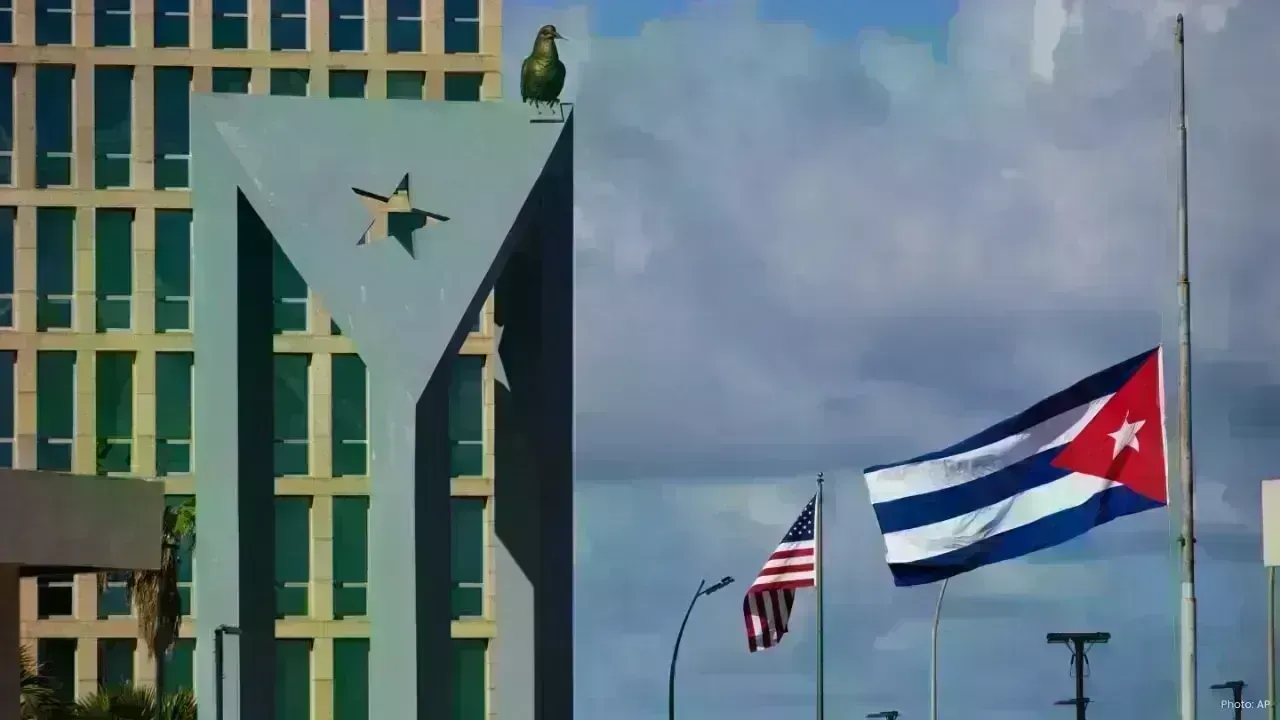
As dawn broke over Cuba on Monday, flags were lowered in tribute to the 32 security officers reportedly killed in the U.S. strike in Venezuela. The somber atmosphere is heightened by the prevailing anxiety among Cubans who feel that major shifts could lead to even greater hardships.
Historically, Venezuela has been Cuba’s closest ally, with ties that transcend mere diplomacy. Cuban personnel have been pivotal in bolstering Venezuela's security apparatus, securing President Nicolás Maduro. In exchange, Venezuela's oil has powered Cuba's infrastructure, sustaining its economy.
That essential connection now stands in jeopardy.
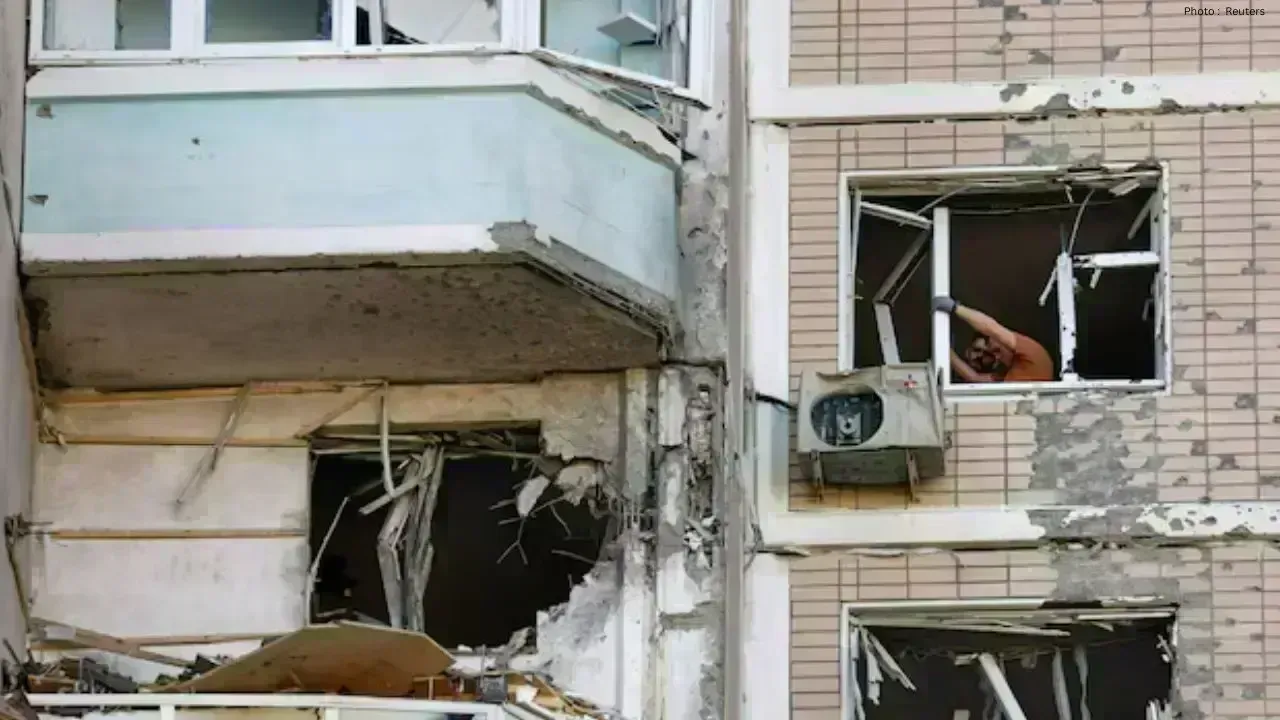
According to Cuban officials, fatalities occurred during confrontations with attackers or due to bombings. Following the strike, Havana issued a staunch denunciation, labeling the U.S. action as “state terrorism.” However, beyond the political rhetoric, citizens express deep concern about the future.
Cuba has long grappled with shortages and power blackouts. With Maduro now captured and taken out of Venezuela, many are questioning if vital oil supplies will cease.
Maduro's regime had been supplying about 35,000 barrels of oil daily to Cuba, constituting approximately a fourth of the island's demands. Despite this, power outages were common. Without this crucial support, the implications could be dire.
“I can’t express my feelings. Words fail me,” lamented Berta Luz Sierra Molina, 75, through tears. Yet, there are voices of resilience—Regina Méndez, 63, declared her readiness to fight: “Hand me a rifle! We must remain steadfast.”
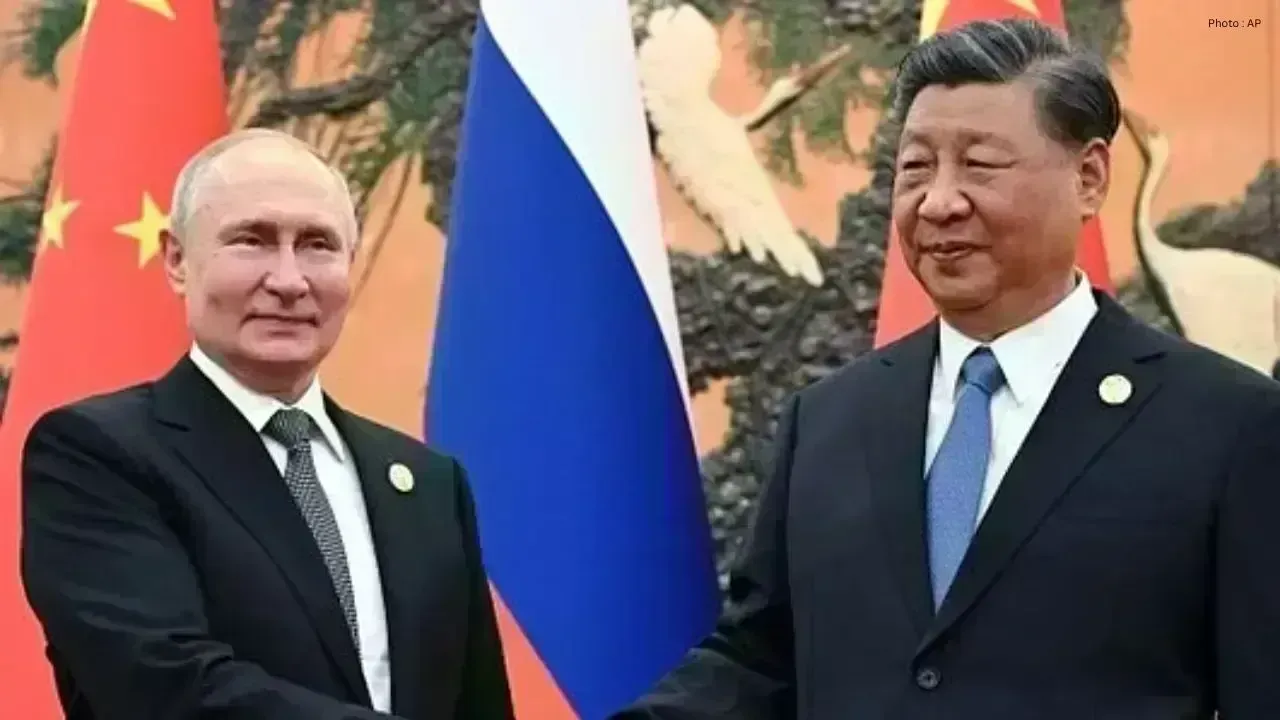
Alternatives remain scarce. Cuba lacks the financial capability to procure oil from global markets. While Mexico has curtailed its shipments, Russian supplies are insufficient, with their focus diverted elsewhere. Although China could assist, such support might necessitate significant economic reforms within Cuba—a prospect the government has historically resisted.
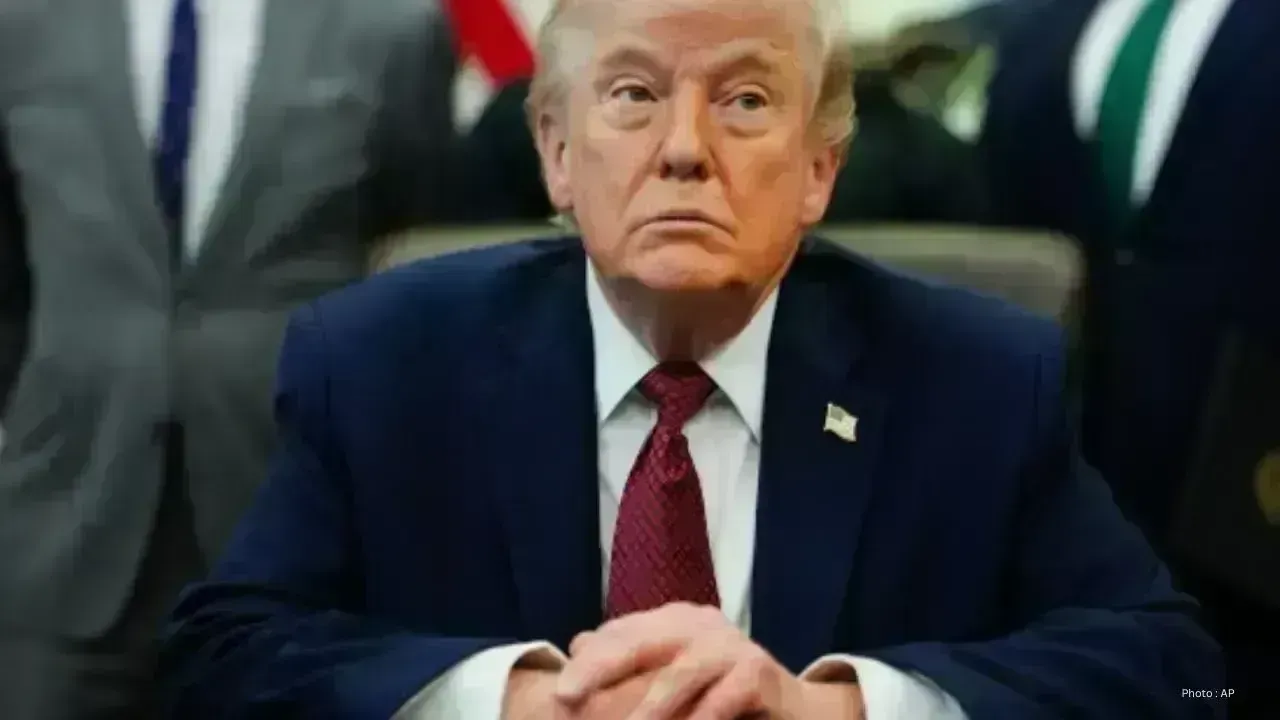
In Washington, President Donald Trump has made clear that Maduro’s ousting serves to undermine Cuba as well. He indicated that Cuba’s already struggling economy could face severe repercussions and suggested it was on the brink of collapse.
Simultaneously, Trump proposed the potential for revitalizing Venezuela’s oil sector with U.S. support, arguing that prompt reimbursements could spur a rapid recovery. Nevertheless, this process would take time—and wouldn’t automatically ensure a return of oil to Cuba.
For the time being, Cuba stands at a crossroads, with mourning, protests, and speeches interspersed with a profound underlying dread. Absent of Venezuela’s support, the nation may soon confront its greatest crisis in recent memory, defined not by politics, but by dwindling fuel supplies and darkened homes.


 English