Post by : Raina
Al-Fahim
On December 17, Bangkok's Impact Arena became the center of chaos as the SEA Games silat controversy exploded following a disputed match result. This incident marred the final day of competitions, raising global concerns about athlete behavior and the security of events. It underscored the emotional and governance issues plaguing international sports.
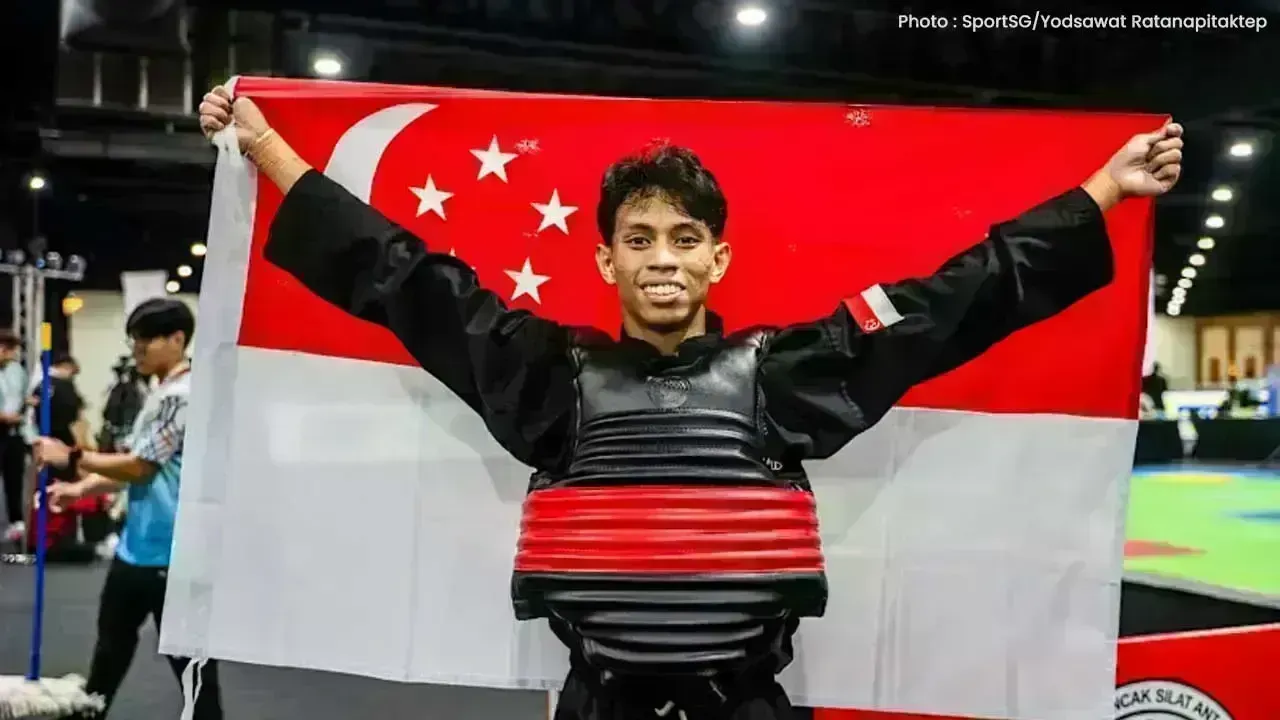
The final day initially celebrated Singapore's Dhani Andika Razali, who captured gold in the men’s under-45kg category with a commanding performance, defeating his Indonesian competitor decisively. This victory was a testament to Singapore's rising prowess in silat.
However, the day's outcomes were bittersweet for the Singapore team. In another final, a seasoned competitor fell short against a robust Vietnamese opponent, settling for a silver medal. This mixed result meant that Singapore secured fewer golds than in prior Games, although they still returned with a commendable medal count across various events.
Tensions had been simmering the day before during the women's 50 to 55kg quarter-finals, where a tie led to contentious officiating. The Thai competitor was awarded victory under a tie-break rule, leaving the Malaysian team dissatisfied with the decision.
What followed escalated dramatically as members of the Malaysian delegation, including athletes and coaches, confronted board officials and referees. The situation rapidly descended from verbal protests to physical confrontations, prompting intervention from security and police to restore calm.
This incident sparked sharp reactions from audiences and the broader sporting world, with many expressing concerns over the safety of participants and officials. Social media erupted with footage and commentary on the SEA Games silat controversy, making it a trending topic throughout Southeast Asia.
Event organizers confirmed adherence to security protocols, stating that the situation was handled without serious injuries. They indicated that a thorough review of the event would take place, potentially leading to disciplinary action regarding both the controversial decision and the subsequent events.
Internationally, the episode has reignited conversations about fairness and transparency in high-level sports. As silat strives for broader recognition, incidents like these pose a risk to its image if not managed properly. Observers argue that uniform officiating standards and strict conduct regulations are vital for the sport's longevity.
With the Games wrapping up, the focus now shifts towards possible policy reforms and sanctions intended to avert such conflicts in the future. The SEA Games silat controversy may act as a catalyst, urging organizers and governing bodies to enhance rules, improve dispute resolution mechanisms, and maintain a competitive yet respectful spirit in the sport.


 English