Post by : Meena
Hassan
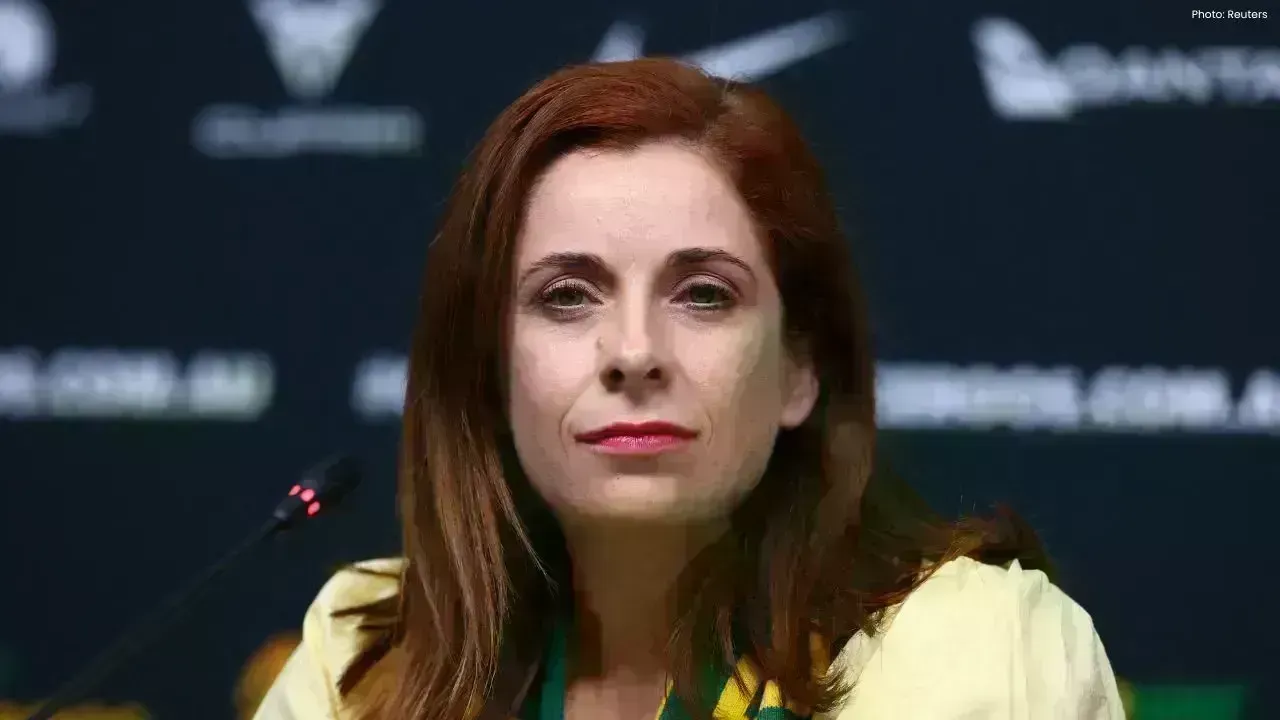
Australia’s Communications Minister Anika Wells asserts her commitment to the nation's new regulations for young social media users, dismissing criticisms from tech firms. Starting December 10, major platforms such as Snapchat, Meta, TikTok, and YouTube must implement measures to prevent children under 16 from creating accounts.
Wells emphasized that the onus of protecting children lies not with the tech platforms but with parents and public safety. She noted that despite two decades of opportunity, tech companies have failed to sufficiently safeguard young users.
“I won’t be swayed by the pressure from big tech because I recognize the moral imperative behind this legislation,” Wells stated, citing communications with families affected by online abuse as a driving force for her advocacy.
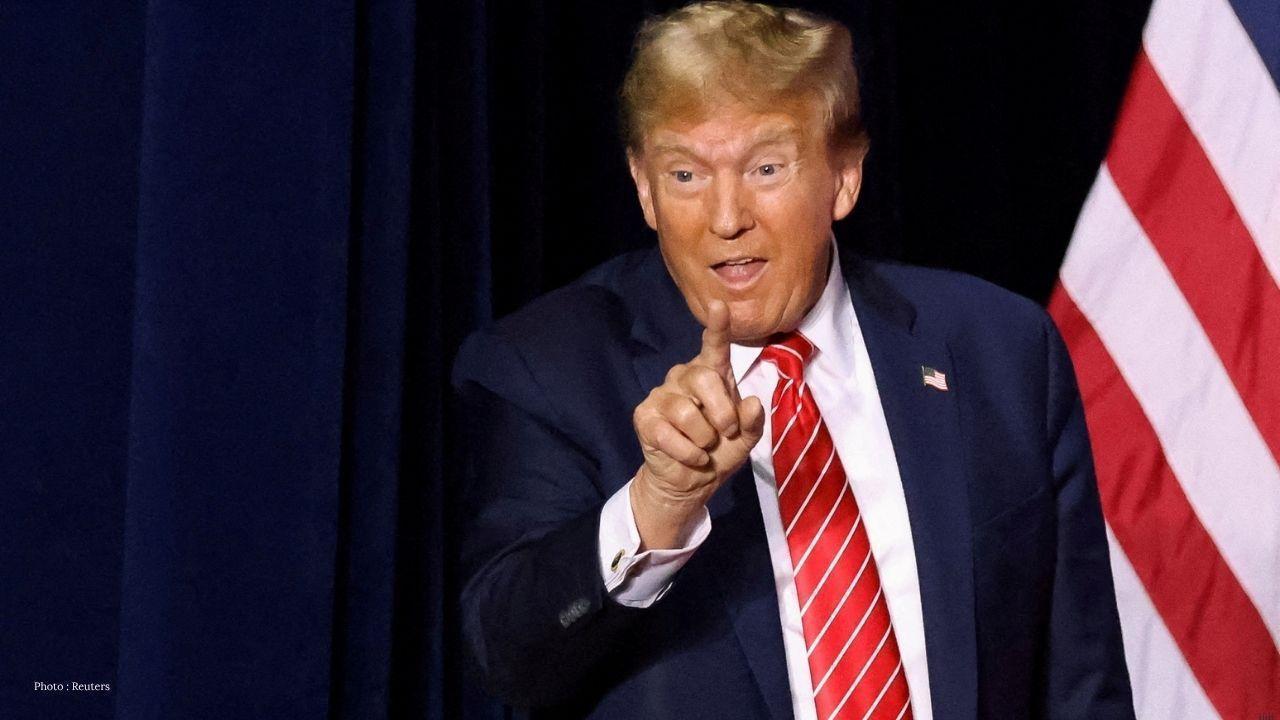
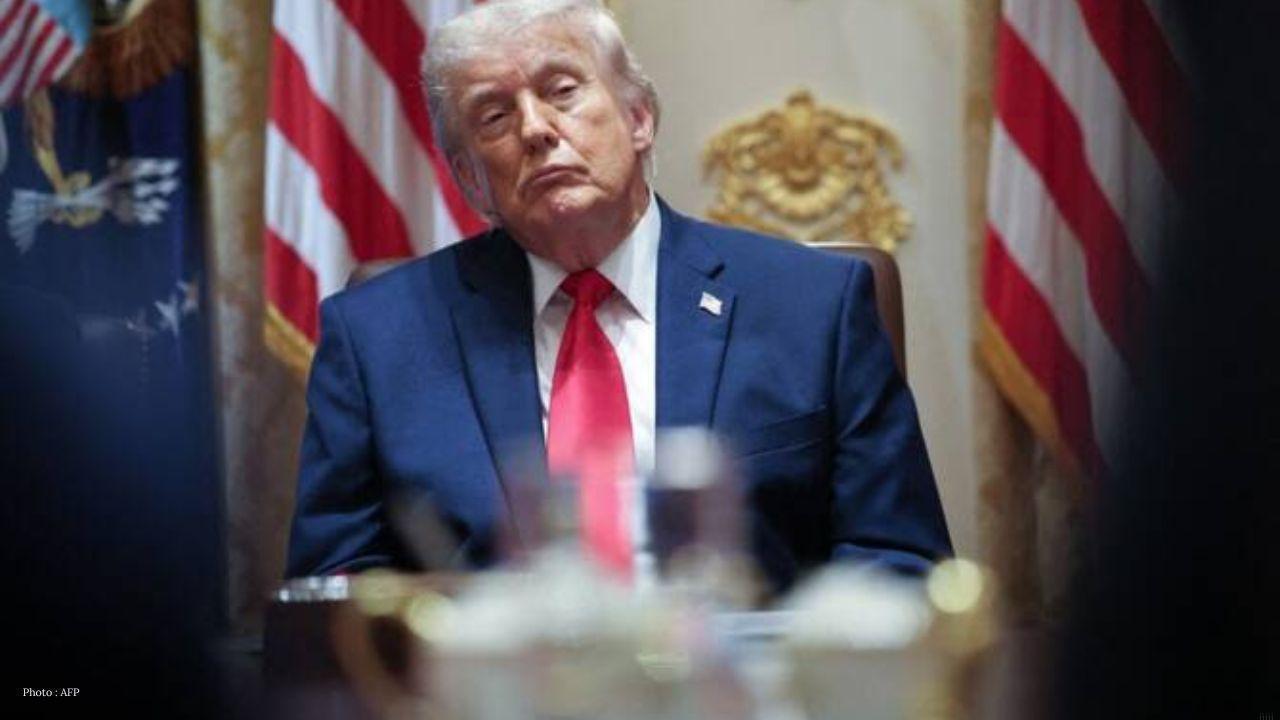
Leaders from various countries have sought guidance from Australia regarding this policy, which Wells describes as “world-leading and commendably innovative.” She also indicated that Australia is ready to face scrutiny, including potential actions from Washington, as past remarks from U.S. President Donald Trump suggest he may defend American tech companies against overseas regulations. Australia’s e-Safety Commissioner has been invited to discuss these matters with U.S. Congress.
Wells firmly stated that external pressures would not change the government’s focus, which remains on the welfare of Australian citizens and robust policy development. She acknowledges that tech companies may rightfully be apprehensive about the broader implications of Australia’s stance.
The legislation has encountered criticism at home, with experts suggesting that better parental controls and tighter restrictions at the platform level could be more beneficial. Enforcement could also prove difficult, particularly with similar laws being invalidated in several U.S. states. Additionally, two Australian teens have initiated a High Court challenge, claiming the ban infringes upon children's rights.
A notable absence in the legislation is the lack of restrictions on online gaming platforms, despite rising concerns about harm in digital environments. Roblox, in particular, has come under fire from parents and advocates. Wells confirmed that regulators are closely monitoring gaming platforms and acknowledged newly implemented safety measures on Roblox.
The Australian government plans to review the policy within the next two years to evaluate its effectiveness. Wells views the ban as part of a broader initiative to mitigate online risks, acknowledging initial implementation challenges but believing that social advantages will ultimately outweigh them.
Drawing parallels to Australia’s alcohol regulation, she argues that while violations may occur, compelling public health data justifies age limitations. Similarly, restricting social media access is a vital measure for safeguarding youth.


 English