Post by : Anis
Al-Rashid
Shifting Dynamics in iPhone Releases
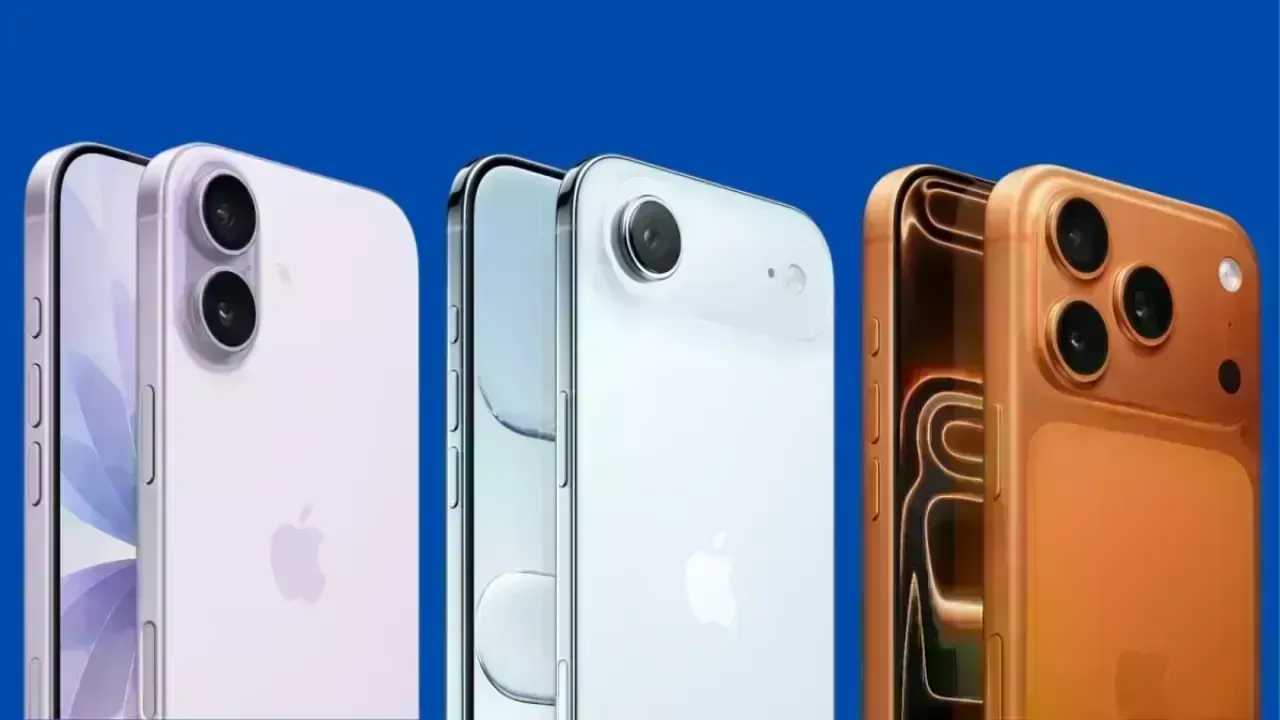
For years, Apple has maintained a regular schedule for its iPhone releases, delighting customers with new features annually. However, recent reports indicate that Apple might delay the standard iPhone 18 until 2027, sparking discussions among its user base.
A change of this magnitude is rare for Apple, given its reputation for predictability. As the flagship product, the iPhone's launch timing is crucial for both fans and investors alike. This revelation raises significant questions: Is Apple preparing for a changing market landscape that requires different strategies?
Reasons Behind the Delay
Phase Launch Strategy
One of the highlights from the report suggests Apple might implement a staggered launch approach. The premium Pro variants could debut in the typical fall 2026 timeline, whereas the standard iPhone 18 could be shifted to spring 2027. This shift would not only allow for a focused marketing effort but would also provide engineers additional time for development.
By staggering releases, Apple could create multiple focal points for consumers. The initial Pro launch would attract enthusiasts willing to invest in cutting-edge technology, while the broader audience would await the standard model's arrival.
Supply Chain Considerations
Today’s iPhones rely heavily on sophisticated components. Next-generation technology and hardware require comprehensive testing. Reports suggest that Apple is likely channeling more resources into the Pro models to ensure minimal shortages, which could lead to a delay for the base model to secure ample supply upon release.
Historical Perspective on Apple's Launch Schedule
Apple typically adheres to an annual schedule, with previous disruptions rarely seen. The last significant deviation occurred during the iPhone 4s release, which emerged some months after its predecessor. While slight pandemic-related delays have occurred, the company has never skipped an entire year.
Should the iPhone 18 indeed make its debut in 2027, this would mark the longest gap in releases, extending approximately eighteen months between the iPhone 17 and the next base model. This could significantly impact the upgrading habits of many consumers.
2026 Releases Still Anticipated
Despite concerns around the standard version, it’s believed Apple will still unveil:
This indicates Apple's focus may shift towards premium offerings rather than exiting the market entirely, paralleling the strategic releases of competitors.
Implications of a Delayed Release
Enhanced Product Differentiation
Splitting launch timelines provides Apple a chance to clearly delineate its Pro and standard offerings. The Pro models can incorporate advanced features, while the standard version may follow with accessible innovations at a later date.
Extended Lifespan for iPhone 17
Delaying the iPhone 18 would allow the iPhone 17 to remain a viable option longer, maximizing revenue from existing products as many non-Pro users continue to choose the older model.
Potential Risks and Consumer Sentiment
Risks of Consumer Discontent
The iPhone crowd thrives on the anticipation of new releases. Missing the 2026 deadline for the standard model may leave some buyers feeling disappointed. Users often anticipate upgrades in sync with Apple's predictable cycles, which may drive them to explore competing brands.
Increased Competitive Pressure
With companies like Samsung and Google constantly innovating, a late release of Apple's mainstream offering could open up opportunities for rivals to capture the market share, especially in price-sensitive regions.
Wider Industry Impact
A postponed iPhone 18 won't just impact Apple; it will have ripple effects across its extensive supply chain, prompting adjustments in production and contract agreements.
Additionally, developers might anticipate a shift in the typical software release timeline as a mid-year launch would necessitate new developmental strategies.
Future Expectations
Three key timelines are emerging:
-
Fall 2026 — launch of Pro models
-
Spring 2027 — introduction of standard iPhone 18 and possibly iPhone 18e
-
Adjustments in Apple’s overall smartphone strategy
Until an official announcement is made, these claims remain theoretical. However, ongoing reports strongly indicate Apple may be reconsidering its historical launch practices.
Broader Perspective: The Evolution of Flagship Releases
The smartphone landscape has transformed remarkably in recent years. Durability and incremental improvements make yearly updates less crucial. Apple might be reconsidering the need for annual flagship phone releases, wishing instead to focus on broader advancements over longer timelines.
Final Thoughts: A Strategic Move for Apple?
The revelation that Apple could postpone the iPhone 18’s release presents an uncharted strategy for the tech leader. Should this claim hold true, it would mark a pivotal shift in how Apple approaches its product launches, impacting both consumers and the industry at large.
This prospective decision embodies risks, including customer disappointment and intensified competition. Yet, the potential benefits in marketing clarity and supply chain management could redefine Apple’s future direction in a rapidly evolving marketplace.
Disclaimer
This article serves informational purposes and is based on unverified reports. Apple has not confirmed any alteration to its iPhone 18 launch schedule.


 English