Post by : Anis
Al-Rashid
A Season of Extremes
Gone are the days when summer eased in quietly. Now, it arrives with oppressive heat. Instead of revitalizing cities, monsoons cause inundation. Winter does not simply chill; it traps pollutants.
What used to be life's rhythm has become an erratic struggle.
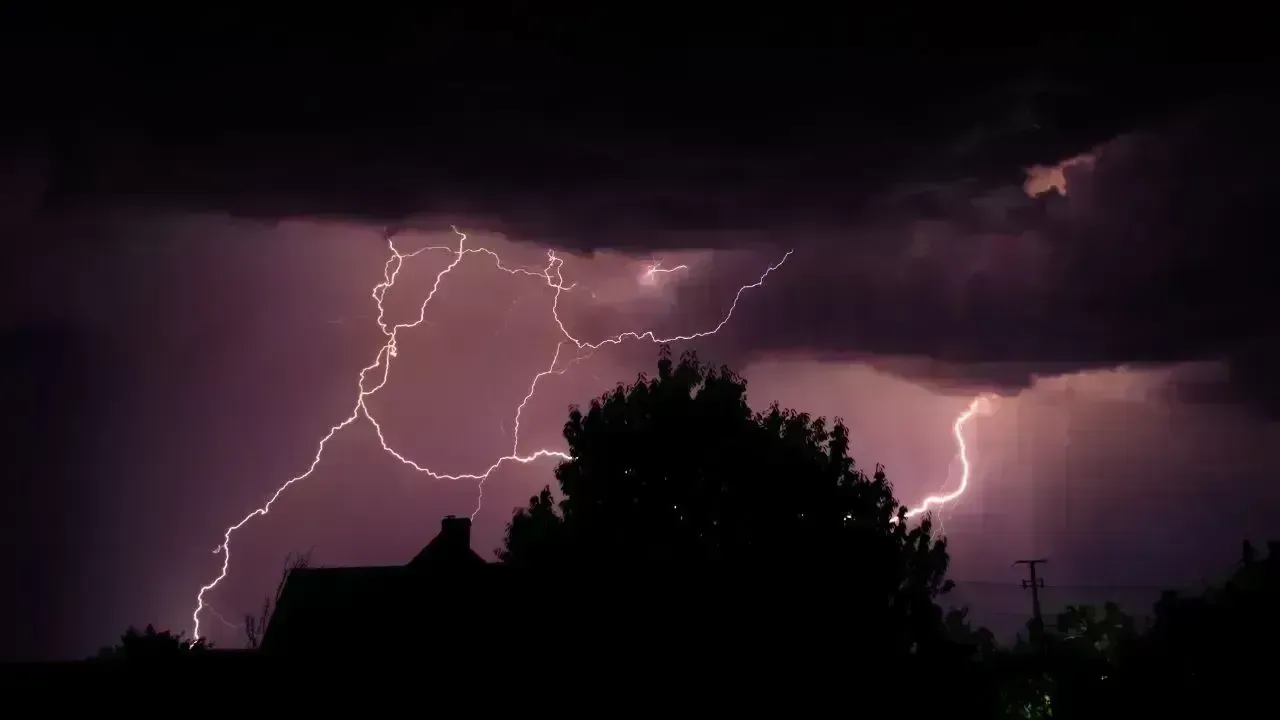
In urban India, climate volatility dominates conversations. Streets flood with just a few hours of rain, hospitals overflow during heatwaves, and power demand skyrockets as air conditioners battle soaring temperatures. Water tankers replace our pipelines, changing school and work hours to adjust to weather—demanding life to conform to conditions.
This brings forth a pressing question: Are Indian cities genuinely gearing up for climate realities or merely responding reactively?
Urban India stands at a critical juncture. The planning decisions made now will dictate survival.
Climate Change Is Now
Previously seen as a looming concern, climate change has now become a day-to-day reality.
Cities are the battlegrounds for its manifestations. Irregular rainfall patterns, record-breaking temperatures, rising seas in coastal areas, and deteriorating air quality define our new landscape.
Urban designs did not anticipate this modern challenge.
Expectations built into infrastructure rely on a notion of stability—drainage systems assume predictable rainfall, buildings count on moderate summers, power grids expect consistent demand, and water systems rely on regular precipitation.
Nature has changed the game.
Weak Links in Urban Frameworks
Cities in India are rapidly expanding yet failing to update their frameworks. Population surges result in construction booms while green spaces diminish, water bodies disappear, and soil gets buried under concrete.
Resulting conditions make urban areas:
These urban hotspots trap heat due to their concrete and glass surfaces, gradually releasing it even at night—keeping temperatures high.
Unplanned developments inhibit natural drainage systems, leading to blocked waterways and filled wetlands—water has nowhere to flow and floods ensue.
The Price of Urban Complacency
Urban centers are optimized for productivity, but not resilience.
This approach has led to:
Cracked roads during rainfall
Power failures in extreme heat
Dry water pipelines in droughts
Structures retaining heat
High-risk slums positioned on floodplains
Nature does not adhere to urban borders.
It reclaims land as infrastructure falls short.
Defining Climate Action Plans
Climate action plans are intended to prepare cities for future challenges.
Ideally, they encompass:
Strategies for flood management
Measures for heat mitigation
Emergency response frameworks
Air quality controls
Water conservation initiatives
Sustainable transportation planning
Development of green spaces
However, many exist more as theoretical documents than actionable frameworks.
Cities might declare plans, but how successfully they implement them is the real challenge.
When Floods Expose Vulnerabilities
Each monsoon season uncovers the weaknesses in urban setups.
What falters includes:
The problem extends beyond precipitation.
It reflects failures in urban design.
Reasons Behind Flooding
Rainwater has no viable outlets.
Urban landscapes can't absorb it. Water bodies are vanishing, and natural drainage paths are narrowing.
Storm drains are:
Neglected
Outdated
Blocked with debris
Overburdened by rainfall
Cities grow, but their drainage systems lag behind.
Beyond Simple Solutions for Flood Control
True flood prevention encompasses:
Wetland protections
Clearing floodplain areas
Upgrading drainage technology
Implementing rainwater collection
Returning green buffers to urban designs
Active enforcement of zoning regulations
Neglecting these elements paves the way for flooding incidents.
Floods aren’t mere coincidences.
They are errors of design.
Heatwaves: The Invisible Threat
While floods damage property, heatwaves harm lives.
Heat quietly creeps in, posing a serious risk.
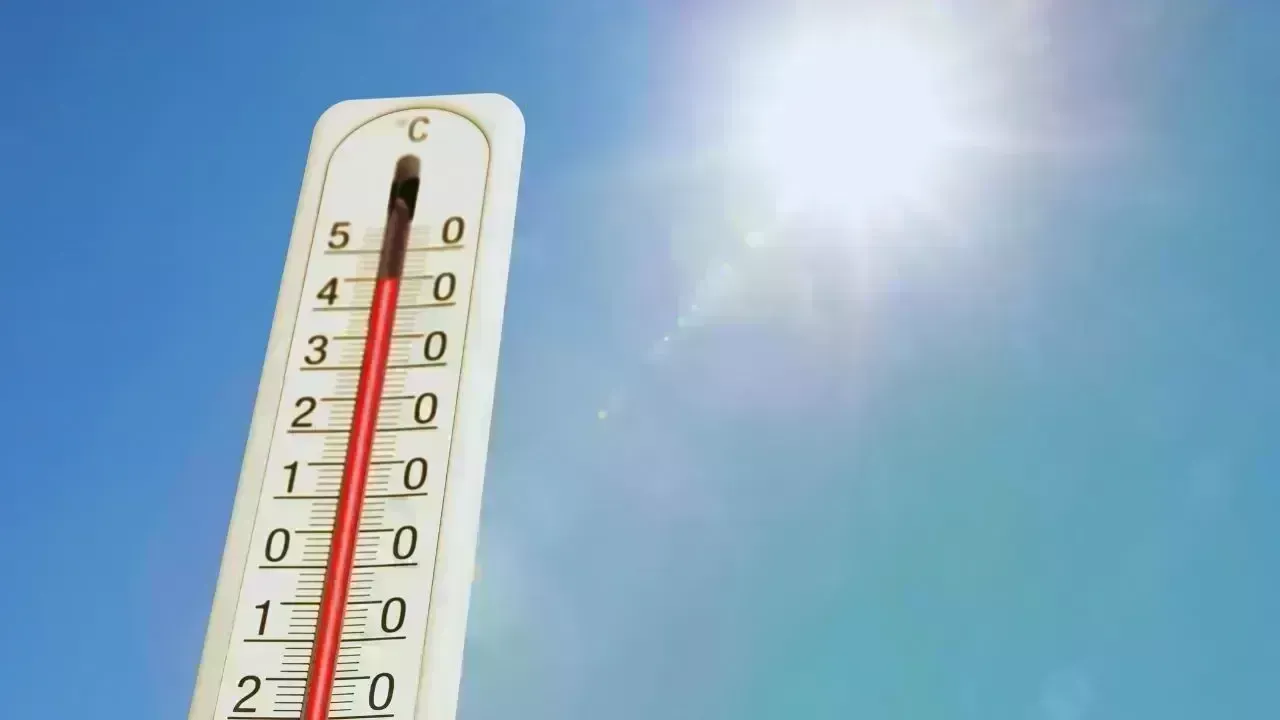
During the summer months, temperatures in Indian cities frequently exceed perilous thresholds. High humidity converts heat into oppressive conditions, pushing hospitals to handle cases of dehydration, heat exhaustion, and critical health failures.
The most vulnerable? Those who:
These groups feel the direct impact.
Why Cities Are Heating Up
Urban heat intensifies due to:
The heat fails to dissipate.
It accumulates and intensifies.
Cool Down Strategies for Cities
Effective tactics encompass:
Utilizing white or reflective roofing
Enhancing tree planting initiatives
Restoring natural lakes and ponds
Creating open green corridors
Establishing cooling centers
Implementing cool roofs in low-income areas
Expanding urban parks
Providing public water access points
Though some cities are beginning to innovate, significant scale is crucial.
Minor initiatives cannot combat overwhelming climate stress.
Water Scarcity: A Year-Round Challenge
In numerous cities, water shortages are no longer isolated incidents.
They’ve turned into a regular occurrence.
Summers bring tankers, monsoons introduce contamination, and winters see dearths.
Urban water frameworks were developed with expectations of:
Consistent rainfall
Clean waterways
Limited populations
Abundant groundwater
None of these assumptions hold today.
Water Disappearance: Understanding the Causes
The culprits are clear:
Failure to harvest rainwater
Encroachments on existing water bodies
Over-extraction of groundwater
Contamination of rivers
Wastage through leaks
Water management remains reactive, lacking strategic foresight.
Exemplifying Smart Water Management
Effective planning includes:
Promoting rainwater collection
Treating wastewater effectively
Restoring natural lakes
Recharging groundwater supplies
Implementing demand-based pricing strategies
Monitoring leakages
Absent these measures, shortages loom large.
The Grip of Air Pollution
Climate change and pollution are intertwined threats.
In winter months, atmospheric conditions contain toxins.
Transportation, industry, and construction disseminate pollutants.
Trapped, the air remains stagnant.
Over our cities.
Inside our lungs.
Climate Change’s Role in Heightening Pollution
Erratic weather yields:
Stagnant air layers
Duststorms
Smoke buildup
Temperature inversions
As night falls, smog doesn’t dissipate; it lingers.
The Intersection of Air Quality and Climate
Air pollution:
Increases ambient temperatures
Disrupts rainfall patterns
Impacts sunlight absorption
Harms health long-term
Cities cannot disentangle pollution from climate adaptation efforts.
They exist in tandem.
Evaluating Climate Action Effectiveness
Certain cities have:
Issued heat advisories
Established cooling habitats
Pushed for electric public transport
Created systems for rainwater collection
Mapped flood-prone areas
Expanded greenery
In contrast, many others face challenges regarding:
Funding allocations
Public awareness
Governmental oversight
Corrupt practices
Political inertia
Plans may be created, but execution is inconsistent.
Common Failures in Climate Strategies
The usual suspects include:
Cities possess the know-how, but they lack urgency.
Realities of Policy Failures for Citizens
Most residents perceive climate policy lag as:
Traffic chaos during rains
Sleepless nights due to heat
Dry taps at dawn
Frequent urgent hospital trips
Floating waste
Contaminated water sources
Experiencing climate breakdown is a daily reality.
It’s not merely theoretical.
The Role of Technology in Urban Resilience
Technology alone cannot amend flawed planning.
However, it does provide support.
Cities are adopting:
Flood detection sensors
Advanced weather forecasting systems
Satellite mapping technologies
Intelligent water metering
Pollution monitoring equipment
Data analysis models
Yet, tools alone without governance are ineffective.
Technology acts as a catalyst for action.
It cannot stand in for necessary policies.
Citizen Engagement for Urban Resilience
Survival in urban settings is no longer passive.
Citizens are encouraged to:
Advocate for green spaces
Report unlawful developments
Safeguard water bodies
Engage in local planning initiatives
Adopt water-efficient practices
Minimize waste generation
Hold local authorities accountable
Building resiliency starts with the individual.
Yet, it must permeate through to city governance.
Defining the Next Decade
The question of urban climate adaptability is urgent.
Over the forthcoming years:
Cities will either:
Adjust and endure
or
Neglect and suffer
The choices made today will dictate the future comfort, security, and survival for millions.
Climate catastrophes are no longer a matter of chance.
Preparedness alone remains uncertain.
Final Remarks: Cities Must Rise
Indian cities still hold potential for recovery.
However, it requires more than paperwork.
More than press statements.
More than postponed fiscal plans.
Salvation will stem from:
A city is not merely concrete.
It embodies community.
Communities cannot thrive under future pressures with outdated systems.
Adaptation is not just an option.
It is a necessity.
DISCLAIMER
This article serves informational purposes only and does not provide advice on environmental, legal, or policy matters. Experts or municipal officials should be consulted for decisions regarding climate planning or urban development.


 English