Post by : Saif
Al-Najjar
Thailand and Cambodia have established a ceasefire to halt weeks of fierce confrontations along their disputed border, marking an end to the most severe violence witnessed in recent years. This agreement, effective since noon on December 27, emerged after a prolonged period of aggression that included airstrikes, rocket attacks, and extensive artillery use, leaving devastation and anxiety in border regions on both sides.
The truce was formally announced via a joint statement from both nations' defence ministers, affirming that troops will remain in their current locations to prevent further escalation. Both parties indicated that any additional military presence or artillery could exacerbate tensions, underlining the importance of maintaining a peaceful resolution to the conflict. Cambodia’s Defence Ministry has cautioned that further military build-up might deteriorate the situation.
The confrontations lasted around 20 days, resulting in profound humanitarian crises. At least 101 lives were lost, and hundreds of thousands were displaced from their homes. Families near the border were forced to evacuate rapidly due to the threat of shelling and airstrikes, often seeking refuge in temporary shelters or with relatives.
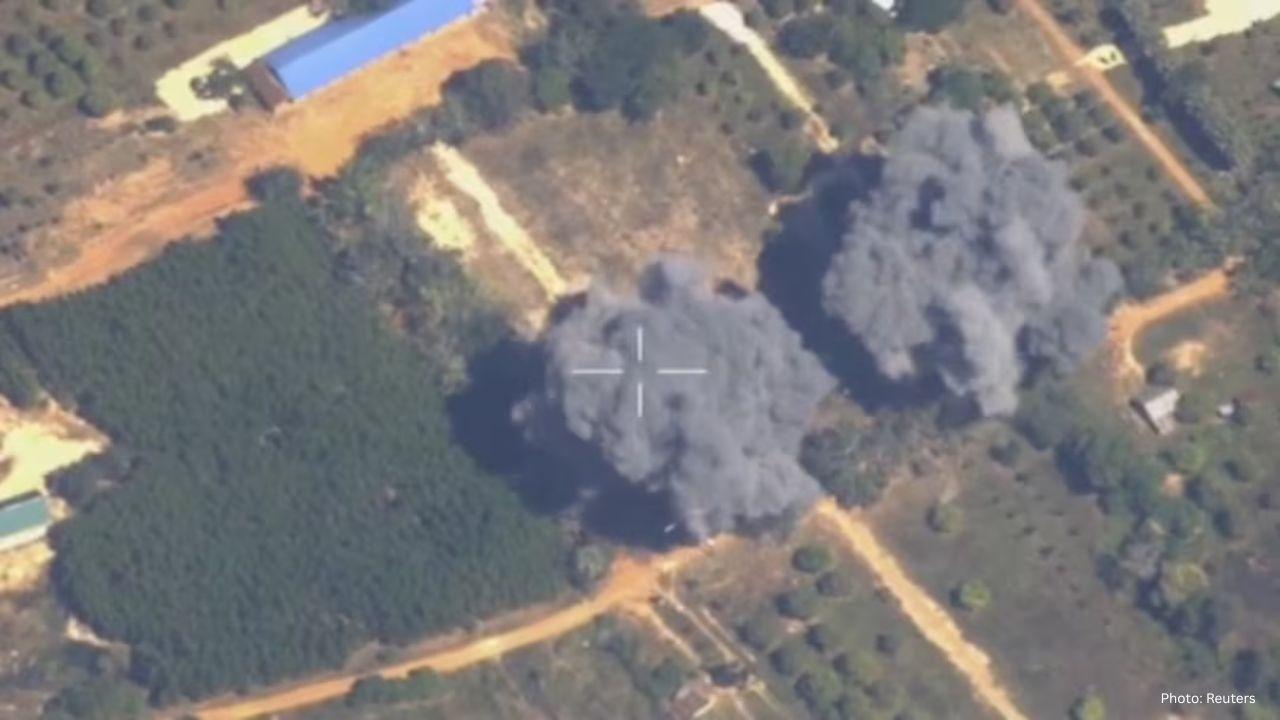
Intense violence was notably reported in Cambodia’s Banteay Meanchey province, where smoke was observed rising from airstrikes earlier in the month. Accusations were exchanged by both nations, blaming each other for initiating the conflict, leading to a situation that escalated beyond control. Critical infrastructure such as roads, schools, and local businesses suffered significant impacts, disrupting everyday life for many.
The recent clashes reignited in early December, following the collapse of a prior ceasefire. That earlier agreement, mediated by U.S. President Donald Trump in July, aimed to quell another violent episode, but historical disputes and mistrust resurfaced, leading to renewed conflict.
The border between Thailand and Cambodia is steeped in a complex history, often marred by disputes over ambiguous boundary lines and ancient temples. While diplomatic discussions have occurred over the decades, tensions have remained palpable. Each fresh confrontation starkly illustrates the fragility of peace in the region.
The newly signed truce has generated optimism for a return to stability along the border, allowing displaced individuals to reintegrate into their communities. Experts view this agreement as a constructive step, but they emphasize that sustained peace hinges on continued respect for the ceasefire and ongoing dialogue. For now, the truce provides a glimmer of hope for healing after weeks characterized by anxiety and disruption, with many on both sides wishing for its endurance.


 English