Post by : Shweta
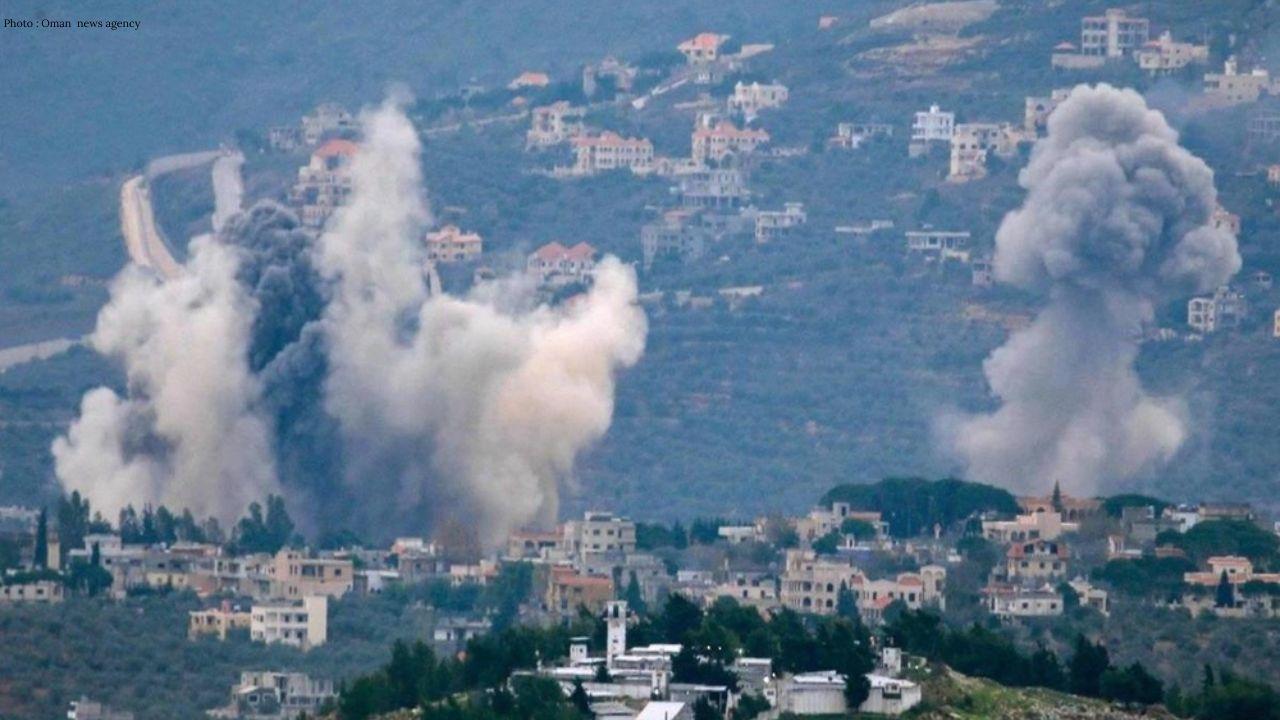
The number of people killed in Lebanon since the start of Israeli military operations on March 2 has climbed to 4,175, while 12,164 others have been injured, according to updated figures released by Lebanon's Health Ministry on June 23, 2026. The latest data reflects the continuing humanitarian impact of the conflict, which has persisted despite several ceasefire arrangements aimed at reducing hostilities.
In a statement, the ministry said the figures were compiled from documented reports collected from hospitals and relevant health authorities across the country. Officials noted that the information forms part of a daily monitoring process designed to assess the effects of the attacks on civilians and the healthcare sector.
Read more :- Israeli Airstrikes Target Beirut Suburb, Leaving 14 Dead in Southern Lebanon
The conflict began on March 2 when Israel launched military operations in Lebanon. Fighting intensified across several areas, with Israeli forces taking control of a number of towns in southern Lebanon. Since then, extensive airstrikes have affected multiple regions, particularly in the south and east of the country.
Efforts to halt the violence have led to a series of ceasefire agreements. An initial truce was announced on April 16 in an attempt to ease tensions and create conditions for a broader de-escalation. The arrangement was later extended for three weeks on April 23. A further extension of 45 days was announced on May 15, raising hopes that both sides could move toward a more lasting cessation of hostilities.
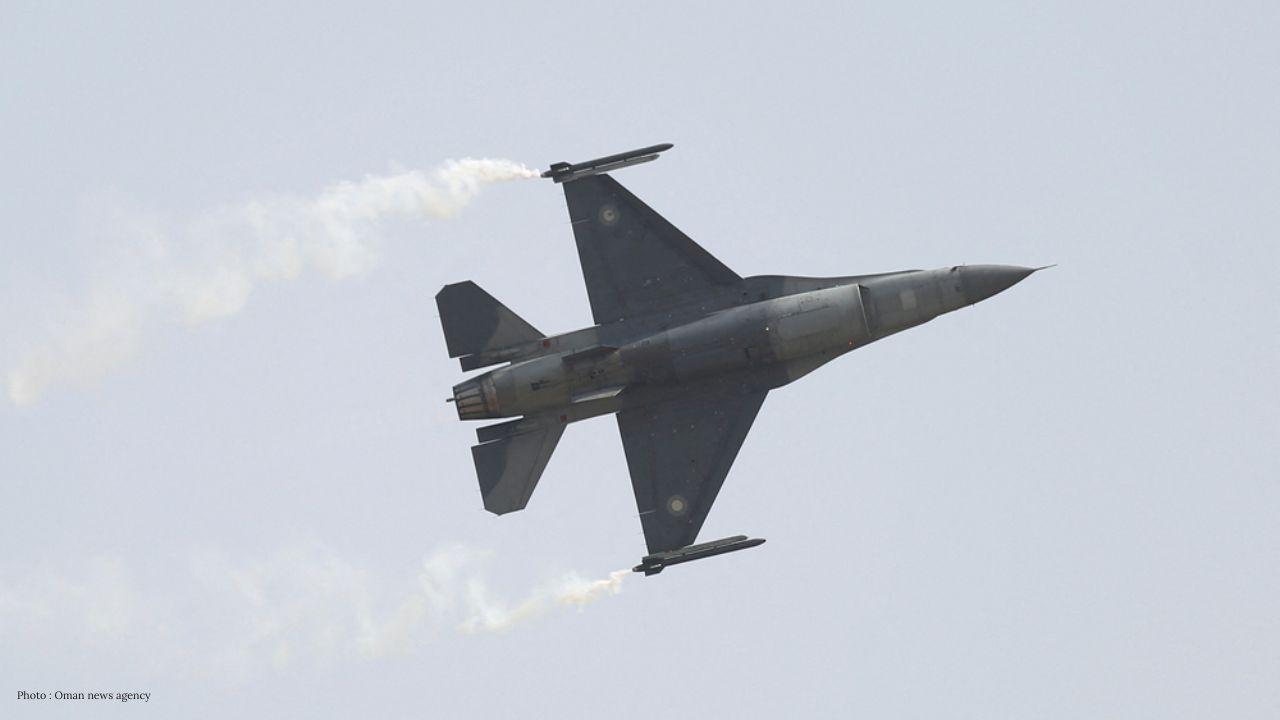
However, despite these diplomatic efforts, Israeli air raids have continued to target large parts of southern and eastern Lebanon. The ongoing strikes have added pressure on emergency services and medical facilities, many of which are dealing with rising numbers of casualties and increased demand for humanitarian assistance.
The growing death toll highlights the severe impact of prolonged conflict on civilian populations. Humanitarian agencies and health authorities have repeatedly stressed the importance of protecting civilians and ensuring access to medical care and essential services. Damage to infrastructure and healthcare facilities has further complicated relief efforts in affected communities.
The continued violence also carries broader implications for regional stability. Observers have warned that sustained military operations and fragile ceasefire arrangements could complicate diplomatic efforts aimed at restoring calm. The situation remains closely watched by international actors seeking to prevent further escalation in the Middle East.
With ceasefire agreements facing repeated challenges, attention is likely to remain focused on diplomatic initiatives and humanitarian responses in the coming weeks. Authorities in Lebanon continue to monitor the situation and document the effects of the conflict, while residents in affected areas face ongoing uncertainty amid renewed airstrikes and security concerns.


 English