Post by : Shweta
Security and Drought Emergency Compound Challenges in South SudanSouth Sudan is facing escalating difficulties as a deadly attack on a military post coincides with an unprecedented drought announcement. With elections on the horizon in December, the world's youngest nation is already confronting issues of poverty, political unrest, and dwindling international support. The dual crises emphasize the intertwining threats of insecurity and environmental challenges impacting communities across the nation. Officials in Warrap State report significant crop failures, livestock losses, and increasingly poor grazing conditions; meanwhile, the attack raises alarms about safety in a region already plagued by inter-communal conflicts.
Tragic Attack Claims Lives in Warrap State
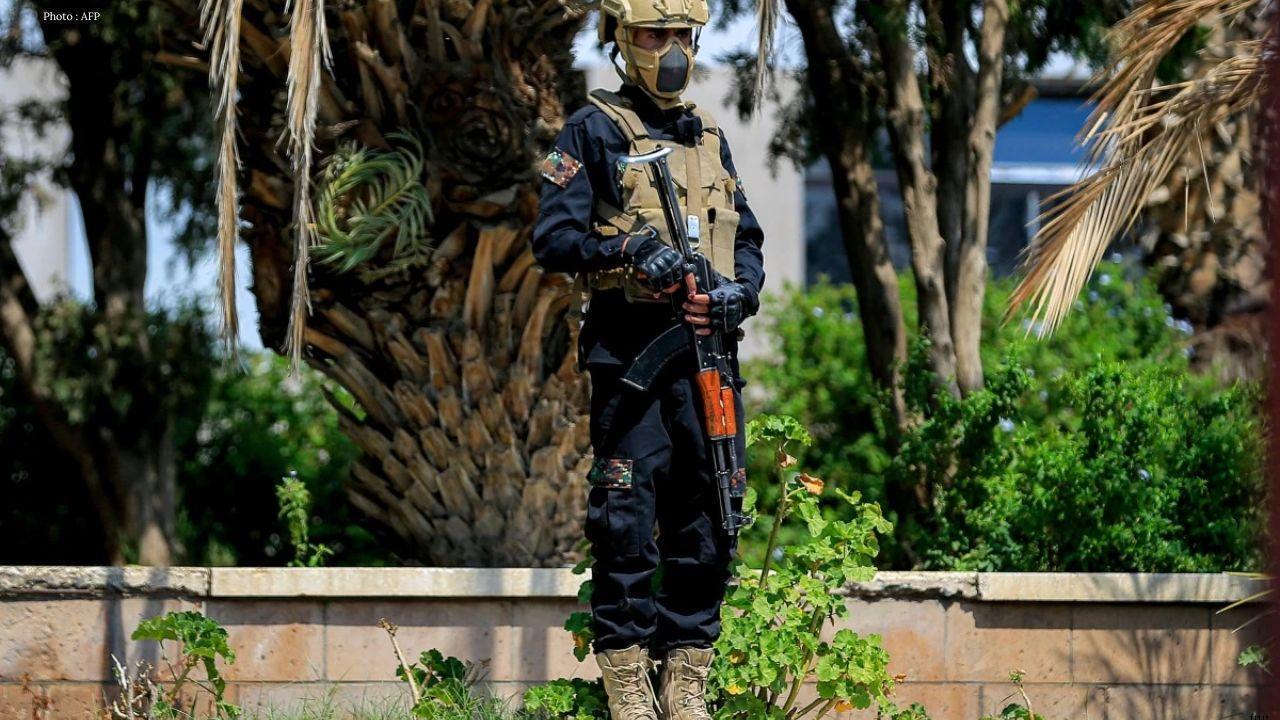
On Friday, armed groups assaulted a military base in Warrap State, resulting in the deaths of 16 military members and police officers, alongside four civilians, according to state minister William Deng Wol. Reports indicate that six attackers were also killed during the altercation. The source of the attack remains unclear, as investigations are ongoing. Warrap has a history of inter-communal violence associated with cattle raids and revenge killings, yet it's undetermined if this incident is tied to those ongoing disputes.
Drought Sparks Fears of Widespread Hunger
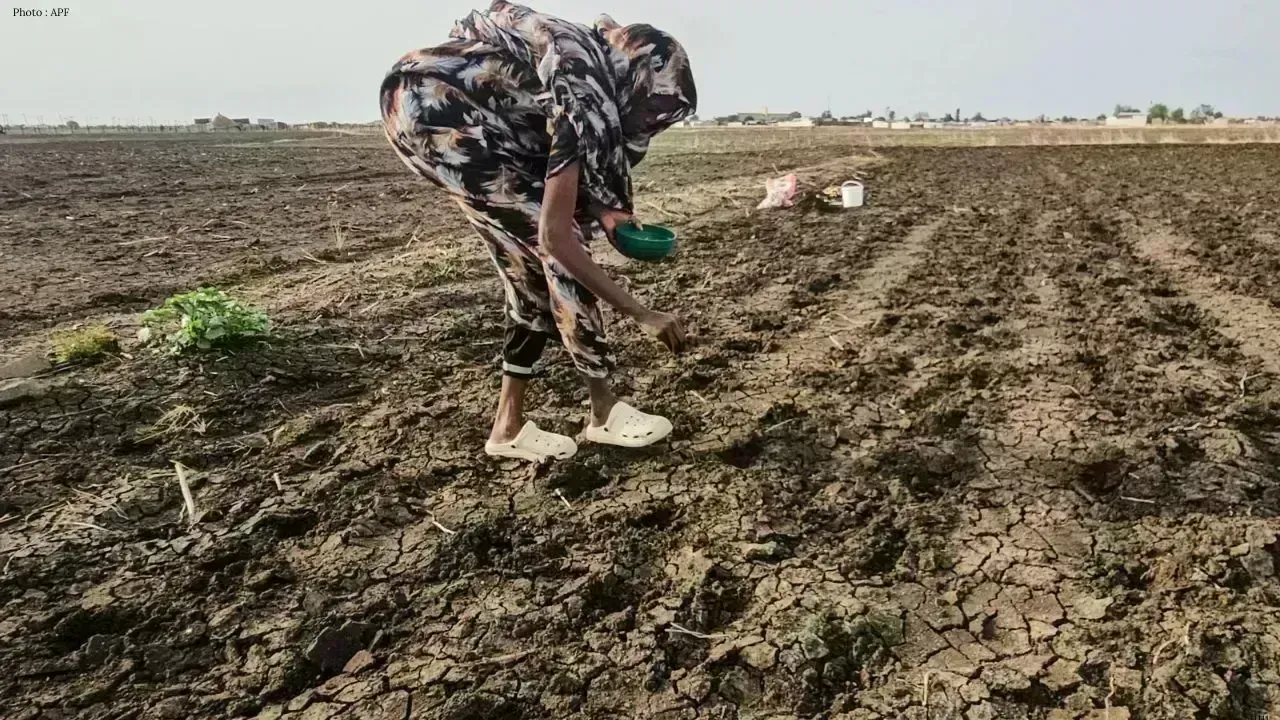
The violent incident coincided with Warrap State's announcement of a drought emergency. Officials describe these conditions as unprecedented, citing severe rainfall shortages that threaten agricultural viability. Minister William Deng Wol emphasized that the drought has led to catastrophic crop failures, threatening livestock and grazing lands essential for many communities. Calls for urgent assistance from the central government and international stakeholders have escalated as fears grow of food shortages if conditions do not improve.
El Niño Compounds Climate Challenges
The drought coincides with a looming El Niño weather pattern, which poses additional climate challenges across eastern Africa. The UN climate agency has predicted that El Niño may become exceptionally strong in the upcoming months, further exacerbating rainfall deficits. Extended drought periods may increase pressure on already limited food supplies and livestock, making vulnerable communities more reliant on humanitarian aid. Local officials have urgently requested external support to avert what they warn could be a catastrophic famine scenario.
Electoral Tensions Loom in South Sudan
These latest crises emerge at a critical juncture as South Sudan prepares for its long-awaited national elections in December after enduring years of turbulence and conflict since gaining independence in 2011. Conducting elections in such a hostile atmosphere poses significant challenges, as South Sudan remains one of the poorest nations and continues to deal with governance issues and corruption. Watching these political developments is essential, given the deep divisions stemming from previous conflicts among rival political factions.
Legacy of Civil War Continues to Affect Governance
In the wake of independence, South Sudan plunged into a deep civil war fueled by power struggles between President Salva Kiir and former rival Riek Machar. While a 2018 power-sharing agreement curbed the conflict's intensity, recent months have seen a deterioration in this political framework. Machar is now detained, facing accusations of treason, amid ongoing clashes between different armed factions. These rising tensions heighten fears that the upcoming elections could spark another outbreak of violence.
UN Warns of Potential Election-Related Conflicts
The UN Commission on Human Rights in South Sudan cautioned last month that the forthcoming elections could reignite violent conflicts and increase the likelihood of atrocities. This warning emphasizes the precarious nature of the electoral process amid unresolved political tensions, armed violence, and persistent humanitarian issues. A further fact-finding mission by the UN commission is anticipated, augmenting international attention on the situation in South Sudan.
Declining International Aid Exacerbates Humanitarian Crises
Compounding South Sudan's difficulties is a significant drop in international humanitarian assistance, coinciding with increasing food insecurity, displacement, and ongoing violence in the region. The economy’s heavy reliance on oil has not translated into adequate public services for the population, and reports indicate significant corruption within the governmental ranks regarding oil revenues. In light of weak institutions and ongoing emergencies, communities are left exceptionally vulnerable to emerging crises.
Read more : Baghdad Faces Fuel Crisis: Long Lines at Petrol Stations
Complex Interplay of Security and Climate Issues
The events in Warrap underscore the multifaceted challenges facing South Sudan today. Security threats combined with drought conditions jeopardize food supplies and livestock. If normal rainfall doesn’t return, farmers could experience further crop losses while pastoralists struggle for adequate grazing resources. The overlapping crises render humanitarian access even more challenging. The coming months will be crucial as authorities and international partners strive to address the pressing drought emergency while also tempering rising political and security tensions.


 English