Post by : Shweta
In a key diplomatic meeting in Beijing, China and Iran addressed escalating international concerns surrounding the ongoing blockade of the Strait of Hormuz. This vital waterway has become a focal point for global shipping disruptions and energy security worries. Iranian Foreign Minister Abbas Araghchi convened with Chinese Foreign Minister Wang Yi as tensions with the United States remain fraught. This dialogue precedes a significant visit from US President Donald Trump, who is expected to discuss the Hormuz crisis during his stay in Beijing.
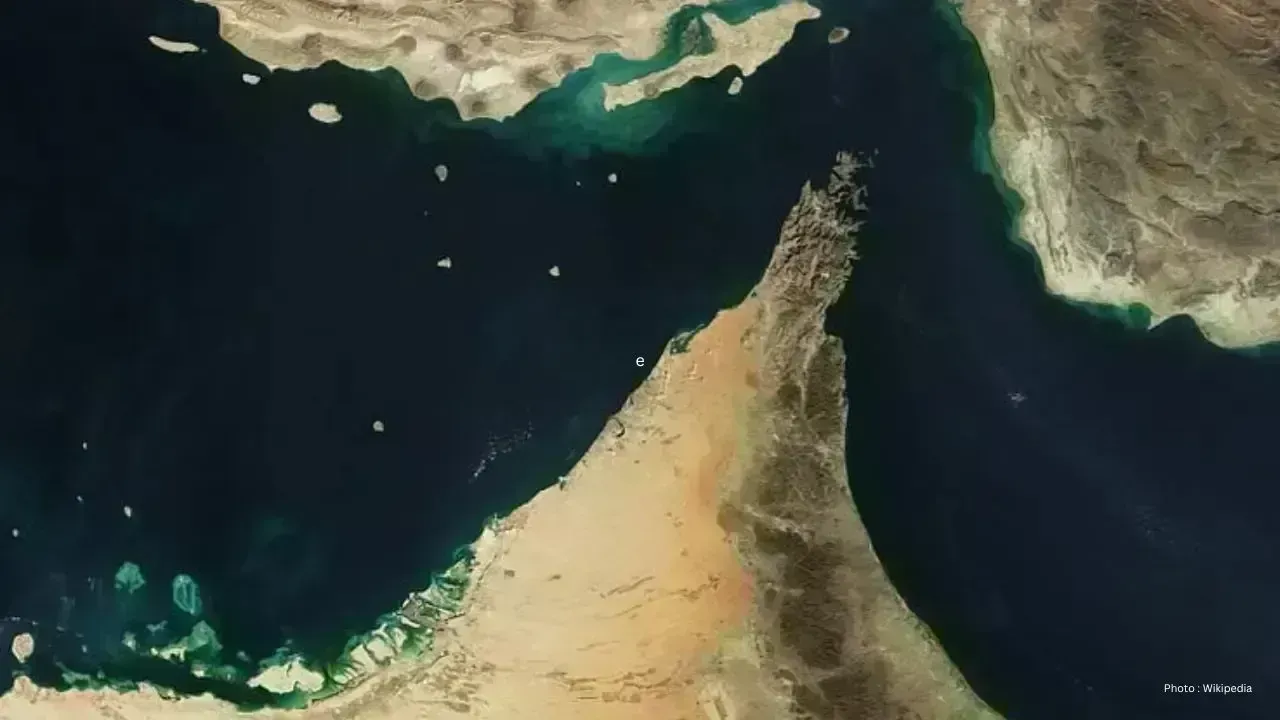
The talks prominently centered on the Strait of Hormuz, a critical route as one-fifth of the world’s oil and gas supply traverses it. In recent months, Iran has imposed restrictions there amid escalating tensions with the US and Israel, leading to heightened anxiety regarding fuel prices, shipping delays, and the potential for economic strain on various nations.
According to Chinese state media, both parties explored strategies to alleviate tensions and stabilize maritime trade flows. As one of Iran’s primary strategic allies and a major consumer of Iranian oil, China has a vested interest in ensuring secure energy supply routes in the region. Beijing has consistently cautioned that prolonged instability in the Strait could adversely affect the global economy and create further pressure on international markets.
This high-level dialogue comes as the US continues its push for Iran to reopen this crucial waterway. US Secretary of State Marco Rubio recently urged China to exert its influence on Tehran and advocate for the end of restrictions in the Strait. He noted Iran's actions have led to its international isolation, impacting countries, including China, that rely heavily on energy imports through Hormuz.
Meanwhile, President Trump announced a temporary halt to “Project Freedom,” a naval initiative aimed at guiding commercial vessels through the Strait of Hormuz safely. He characterized this pause as intended to foster diplomacy and explore peace negotiations with Iran. Nonetheless, US officials have indicated that broader blockade measures affecting Iranian ports will continue during negotiations.
China’s approach has been to balance support for Iran while promoting de-escalation in the region. While Beijing has criticized the US naval blockade on Iranian ports, it also subtly encourages Tehran to refrain from further conflict escalation. Analysts suggest that China is motivated by the desire to protect its long-term economic interests, seeking to avoid a larger regional crisis that could jeopardize vital energy supplies and trade routes to Asia.
Reports indicate that China has also been engaged in wider diplomatic initiatives involving Pakistan and other regional entities to mitigate tensions between Washington and Tehran. Previous proposals from these nations have included calls for peace talks, ceasefire agreements, and the restoration of normal navigational activities through the Strait of Hormuz. Observers note that this increasing diplomatic involvement by Beijing signifies its growing role in Middle East affairs.
Despite ongoing discussions, the Gulf region's situation remains precarious, with numerous commercial vessels facing delays due to security issues, while the oil markets react sharply to any developments related to the blockade. Experts caution that further escalations could drive up global fuel prices and amplify pressures on economies already grappling with inflation and trade uncertainties.
The talks between China and Iran in Beijing are being viewed as a crucial diplomatic move as world powers strive for a peaceful resolution to the Hormuz crisis. With President Trump set to meet Chinese President Xi Jinping soon, many are closely monitoring whether these discussions can lead to a reduction in tensions and help reopen one of the globe’s most significant maritime trade routes.


 English