Post by : Saif
Al-Najjar
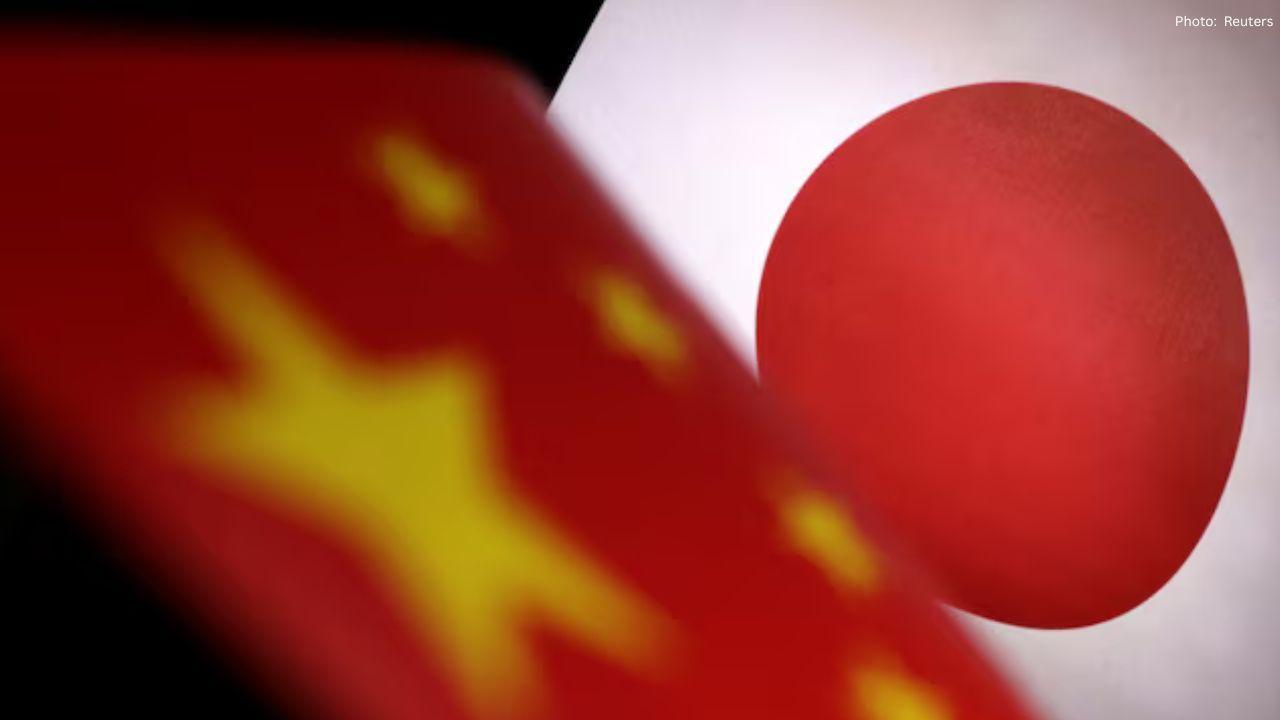
China has enacted an export ban on specific dual-use goods to Japan, targeting items that serve both civilian and military functions. This measure is part of a broader context of escalating tensions regarding Taiwan, especially following recent comments from Japanese Prime Minister Sanae Takaichi.
The prohibited "dual-use" items encompass various goods, technologies, and software critical in manufacturing sectors, including rare earth elements essential for producing drones and computer chips. The Chinese commerce ministry has stated that the ban particularly affects items intended for military operations or activities that could bolster Japan's defenses. Violators of this ban will face legal repercussions.
This decision follows Prime Minister Takaichi's remarks, which implied that any Chinese military action against Taiwan could represent a significant threat to Japan. Beijing has condemned these comments as “provocative” and raised questions about Japan’s motives, asserting that such statements could be leveraged to justify an escalation in Japan's military capabilities and engage in overseas missions.
China and Japan's relations have been tense for some time. In December, Japan approved a landmark defense budget increase, upping its military spending by 3.8% to approximately 9 trillion yen (around $57.7 billion). Japan has also been reassessing its arms export limitations, pursuing offensive weaponry development, and proposing changes to its non-nuclear stance.
China has previously utilized export controls as a method of diplomatic pressure, notably during a past conflict when it restricted rare earth shipments to Japan. Notably, despite the current ban, recent customs figures reveal that rare earth exports to Japan actually surged by 35% in November 2025, reaching 305 metric tons, marking the peak monthly export for that year.
Analysts suggest this ban serves as a strategic signal from China, aiming to exert pressure on Japan while discouraging actions perceived as threats to its territorial claims over Taiwan. Simultaneously, it may affect Japan's access to vital materials necessary for technological and defense-related manufacturing.
This situation underscores the delicate equilibrium in East Asia, where diplomatic rhetoric, defense allocations, and trade regulations are intricately linked. The international community will closely monitor how Japan reacts to these restrictions and whether both countries can steer away from further tensions.


 English