Post by : Saif
Al-Najjar
Ukraine's latest drone assaults on Russian oil facilities signify a strategic escalation in their conflict, introducing significant environmental and economic concerns. These strikes have shifted the focus from military objectives to vital energy infrastructure.
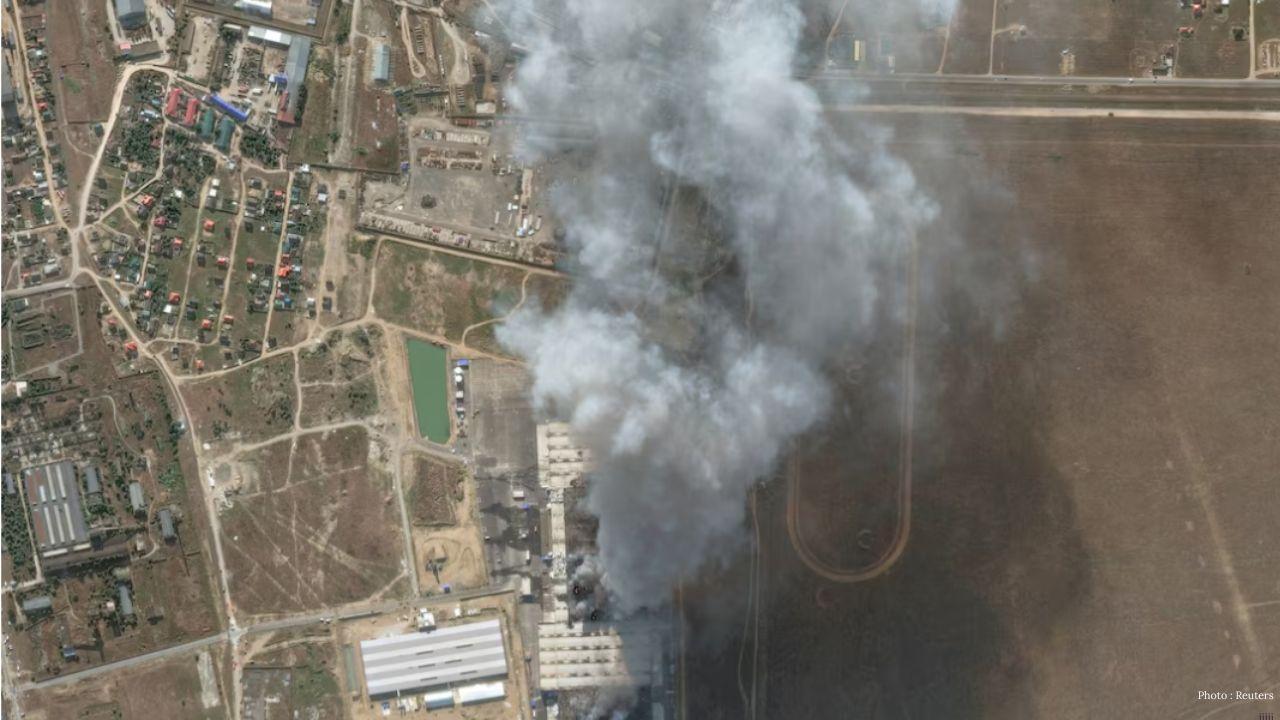
In the past few weeks, a series of long-range drone attacks have targeted key oil refineries and storage facilities across Russia. These sites are crucial for the nation's economy, primarily due to oil revenue being a key income source. Through these operations, Ukraine aims to undermine Russia's financial power and its capacity to sustain military efforts.
While the damage from these attacks is notable, the full economic implications remain ambiguous. Russia's robust oil exports continue, supported by rising global prices, which mitigates the immediate economic pressure that Ukraine anticipated from these maneuvers.
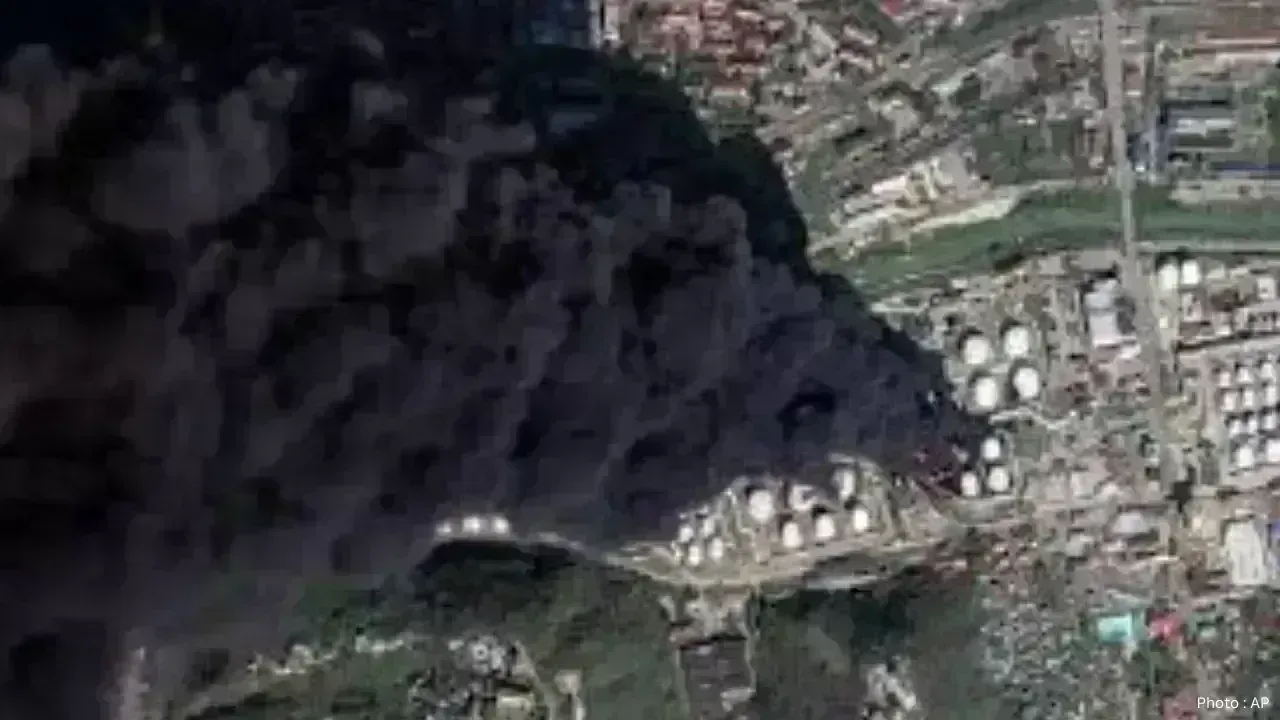
However, the environmental implications are becoming increasingly dire. Fires resulting from the attacks have emitted heavy smoke, affecting air quality in surrounding towns. Additionally, oil spills threaten soil and water, raising long-term concerns for both the community and wildlife, with recovery potentially taking years.
Local accounts indicate that the ongoing strikes have exacerbated conditions in certain areas, leading to worsening air pollution and quality of life. Agriculture and fisheries are suffering due to the contamination of resources, illustrating that the war's repercussions extend far beyond military gains.
The heightened use of drones showcases the evolution of modern warfare. These devices can cover significant distances and target deep within enemy territory, prompting Russia to adapt its defense strategies significantly and spreading its military resources thin.
Simultaneously, Russia has retaliated with attacks on Ukrainian infrastructure, escalating tensions and endangering civilians on both sides.
The ramifications of these attacks resonate in global energy markets, where any hindrance to oil production impacts supply chains and prices, introducing uncertainty for nations relying on stable energy sources.
Long-term environmental degradation poses another pressing issue, with oil spills and airborne toxins threatening entire ecosystems for years to come. Even post-conflict, these challenges may persist, potentially harming public health and the environment.
This scenario underscores a broader shift in warfare, where economic resources become prime targets in addition to military setups. Such a strategy might yield temporary advantages but elevates long-term risks for the involved nations and the broader global landscape.
These drone attacks on energy infrastructure illustrate the increasing complexity and extensive reach of the conflict. As developments unfold, their effects will resonate not only regionally but also globally across various markets and ecosystems.


 English