Post by : Saif
Al-Najjar
China has called upon the United States to assume greater accountability in nuclear disarmament efforts after a Pentagon draft report indicated that Beijing has enhanced its nuclear missile capabilities and shows reluctance toward arms control negotiations.
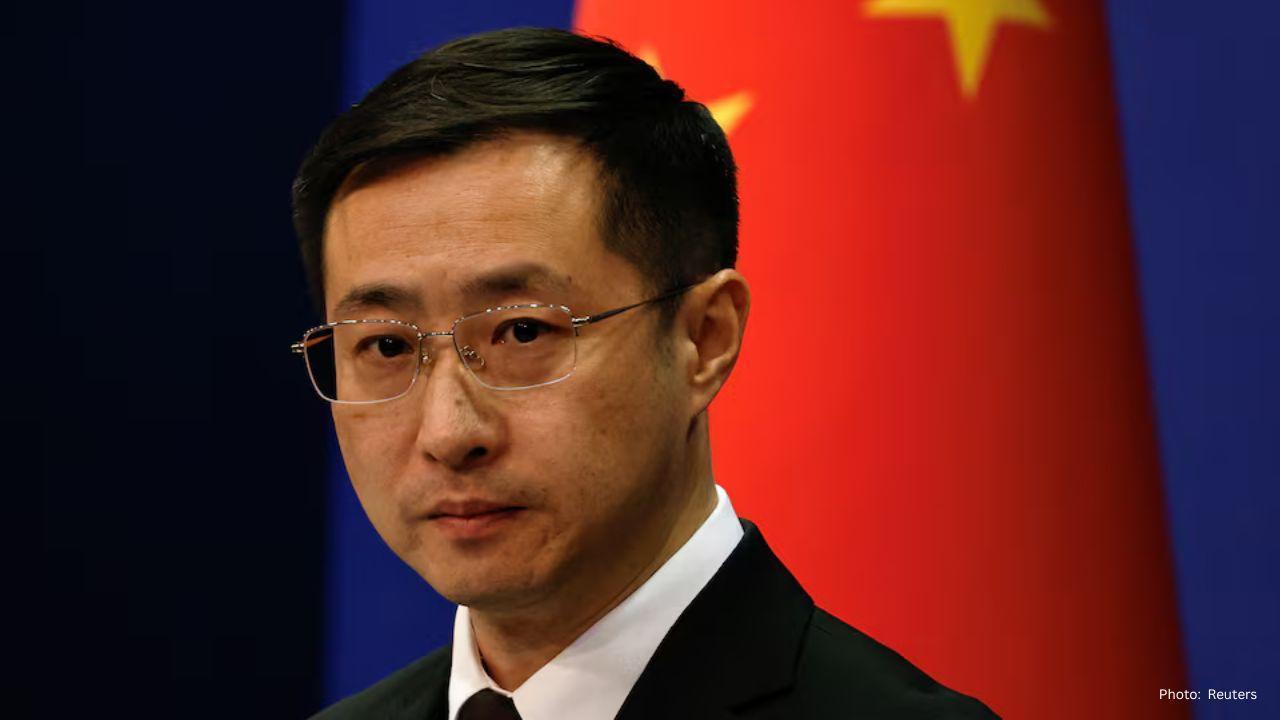
During a press briefing in Beijing, Chinese Foreign Ministry spokesperson Lin Jian emphasized that as a leading nuclear power, the U.S. should spearhead actions to minimize nuclear arsenals. He urged Washington to foster an environment conducive to disarmament among all nuclear states.
The Pentagon's report suggested China may have equipped over 100 intercontinental ballistic missiles with nuclear warheads and expressed doubts regarding China's willingness to participate in disarmament discussions with the U.S. This situation has escalated tensions between the two nations in military and security contexts.
China dismissed the report’s conclusions, asserting it does not offer a comprehensive representation of the situation. Lin reiterated Beijing’s established stance that its nuclear forces are maintained at a level solely necessary for national defense. Furthermore, he mentioned that China does not aspire to nuclear competition and follows a defensive military posture.
Chinese authorities have emphasized the country’s no-first-use policy, committing not to deploy nuclear weapons unless provoked. Beijing argues that this stance reflects its dedication to peace and stability, amidst military advancements.
Beijing maintains that serious discussions on nuclear disarmament should involve nations with the largest arsenals. In their view, the U.S. and Russia, possessing the majority of the world’s nuclear stockpile, should initiate significant reductions before engaging others in formal disarmament treaties.
Conversely, the U.S. contends that China's swift military advancement and opacity raise red flags. American officials assert that open communication and arms control discussions are essential to prevent miscalculations and mitigate conflict risks.
This dialogue underscores the deepening mistrust between these two dominant world powers. Aside from trade, technology, and regional security disagreements, nuclear policy now stands as another delicate facet of U.S.-China relations.
Experts warn that the intensifying tensions coupled with limited dialogue heighten global hazards. They argue that genuine disarmament necessitates trust, communication, and proactive leadership from principal nuclear nations.
Currently, both countries remain steadfast in their viewpoints. China urges the United States to take the lead, while the U.S. seeks greater transparency from China. How these contrasting perspectives are navigated will significantly impact global nuclear stability in the coming years.


 English