Post by : Saif
Al-Najjar
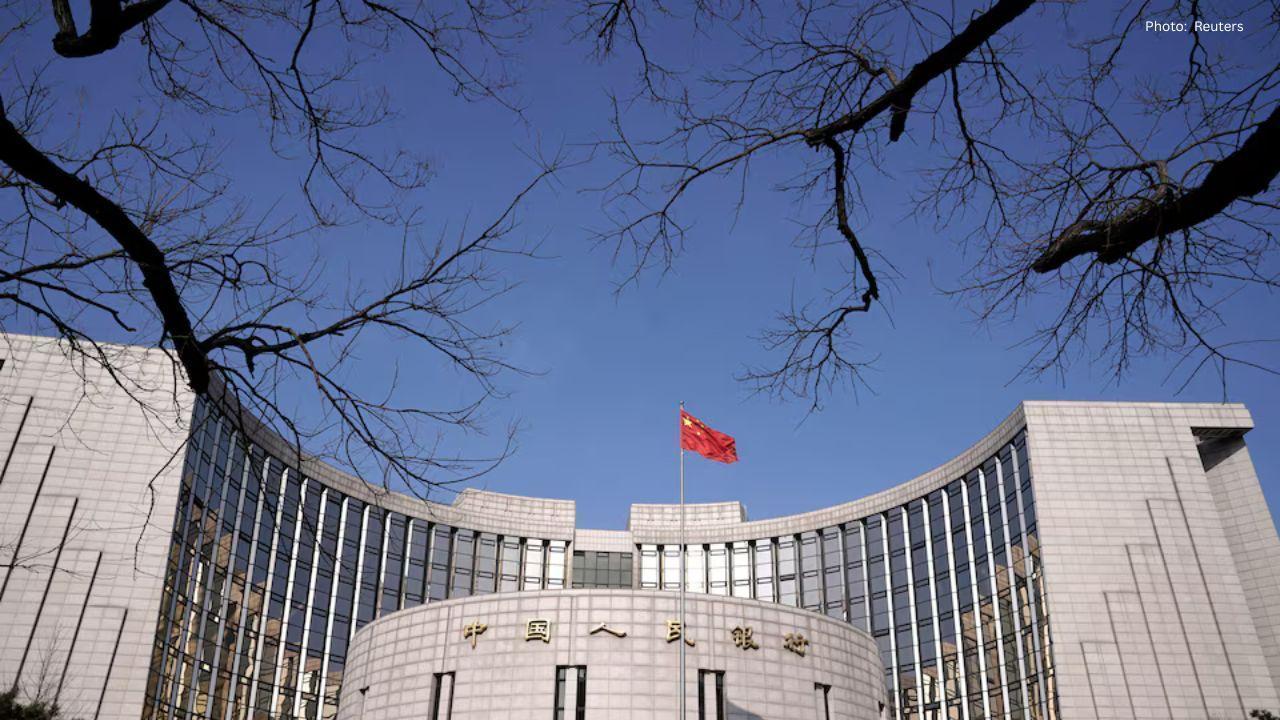
China has reiterated its stance on virtual currencies, highlighting the increasing risks and declaring that strong measures will be implemented to safeguard the nation’s financial system. Following a meeting focused on virtual currency regulation, the People's Bank of China, the country's central bank, issued this advisory. The bank noted that digital asset speculation is on the rise due to various internal and external factors, presenting new challenges for regulators charged with maintaining market stability.
It emphasized that virtual currencies, including popular ones like Bitcoin, lack the legal status of the Chinese yuan and cannot be utilized as official currency for transactions within the country. After a ban on cryptocurrency trading in 2021, authorities have repeatedly warned that any engagement in virtual currency-related activities is illegal. The bank insists on the strict enforcement of these regulations to prevent individuals from falling into financial traps.
A significant portion of the central bank's warning was directed at stablecoins—digital tokens typically pegged to stable assets like the U.S. dollar. Regulators indicated that stablecoins fail to meet China’s rigorous criteria for customer identity checks, anti-money laundering protocols, and risk management. These vulnerabilities render stablecoins appealing for unlawful activities such as fraud, money laundering, and clandestine international money transfers. The bank pledged to bolster efforts to identify and penalize illegal financial operations tied to these digital assets.
Officials expressed a desire to uphold the integrity and stability of China’s financial system amid ongoing global economic shifts. The bank vowed to enhance its monitoring of both local and international digital currency trends. In October, Governor Pan Gongsheng had affirmed that China would maintain its strong stance against virtual currency trading and speculation while navigating the rapidly evolving landscape of overseas stablecoins.
Although mainland China maintains a complete ban, Hong Kong has adopted a different strategy by creating a legal framework for stablecoin issuers. However, no licenses have been issued to date, reflecting a cautious approach from regulators in the region. This disparity underscores mainland China's preference for stringent control, as opposed to Hong Kong's efforts to establish a regulated framework without fostering risky behaviors.
Despite the prohibition, cryptocurrency mining is gradually re-emerging in certain regions of China. Reports from miners and industry data indicate that companies and individuals are tapping into inexpensive electricity and utilizing new data centers in resource-rich provinces to conduct mining activities. This illustrates the crypto sector's ability to adapt and shift underground in spite of stringent government regulations.
China's recent warning suggests that authorities are gearing up for enhanced oversight and stricter enforcement. As global interest in digital currencies surges, China continues to uphold a firm position. The government maintains that rigorous control is essential to prevent financial crimes, safeguard consumers, and maintain economic stability. For now, the central bank's message remains clear: virtual currencies are not accepted in China's official financial system, and any endeavor to use or promote them will face severe repercussions.


 English