Post by : Sami
Al-Rahmani
Crafting an Affordable Multi-City Europe Travel Itinerary
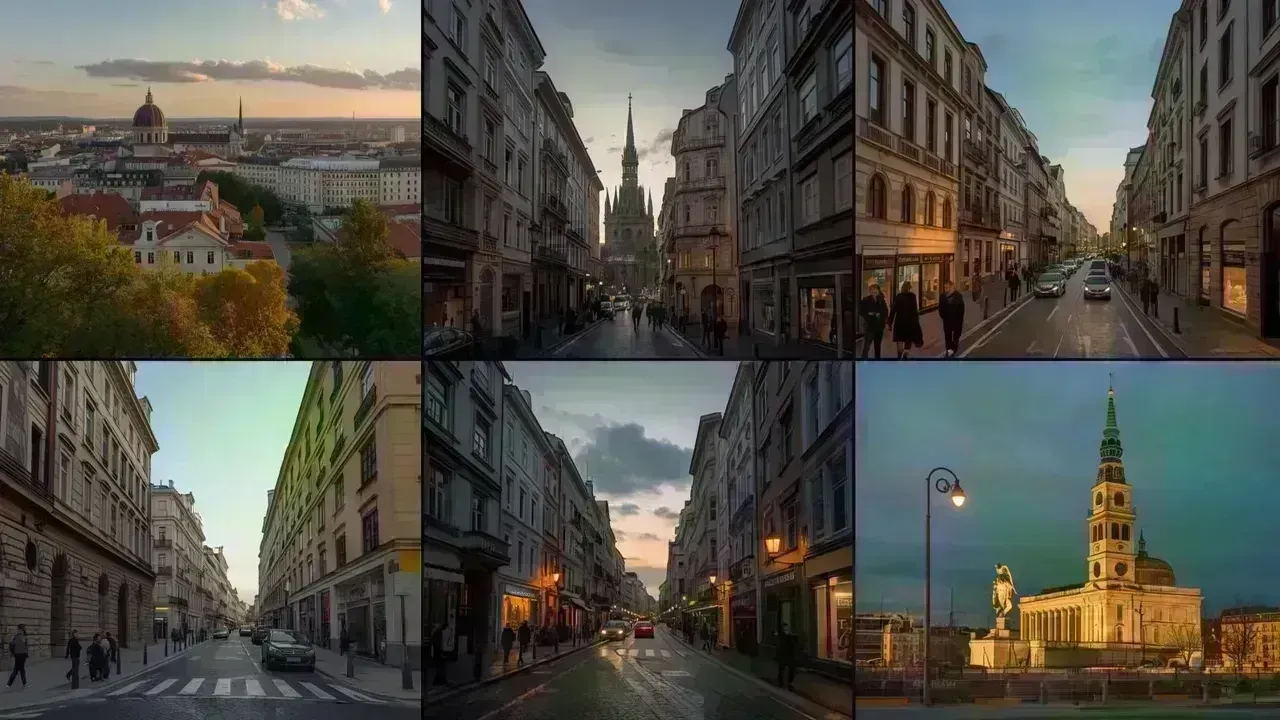
Embarking on a journey across multiple European cities can seem daunting and beyond financial reach, but with careful planning, it can be quite manageable. Travelers often err by viewing Europe as a singularly expensive destination rather than a diverse collection of countries, each with its own costs, transit options, and travel hacks. Budget travel in Europe is about working smarter, not necessarily sacrificing quality.
This guide lays out the essential steps to drafting an economical multi-city itinerary, focusing on route planning, transportation, lodging, dining, attractions, daily budgets, and effective strategies to save money.
Adopt a Budget-Conscious Mindset
Costs can escalate in Europe if you rush through experiences, prioritize central accommodations, and stick to popular tourist paths.
For effective budget travel, you should:
-
Select regions strategically rather than randomly scattering cities
-
Mix high-cost cities with more affordable options
-
Embrace a more leisurely travel pace
-
Clarify logistics prior to flight bookings
Remember, your aim is to enjoy more while spending less.
Identify Budget-Friendly Regions in Europe
Rather than dabbling in random European cities, organize your itinerary by regions.
Notable budget-friendly areas include
-
Eastern Europe: Hungary, Czech Republic, Poland, Romania
-
Southern Europe: Portugal, Southern Spain, Greece (excluding islands), Italy beyond major urban centers
-
Balkans: Croatia, Albania, Montenegro, Serbia
-
Central Europe: Austria, Slovenia, Slovakia (varying budgets)
Western Europe can be included but should be done sparingly.
Create a Logical Itinerary
Transport expenses decrease significantly when cities are close and well-connected.
Routing Tips
-
Steer clear of zig-zag patterns
-
Travel in a straight direction
-
Select cities linked by trains or buses
-
Avoid reversing your route
Here’s an example of a budget-friendly itinerary:
Lisbon → Porto → Madrid → Barcelona → Nice → Milan
This minimizes flight reliance and cuts costs.
Determine the Right Number of Cities
Visiting more cities doesn't necessarily enhance your experience.
Recommended itinerary structure
-
2–4 days in major cities
-
1–2 days in smaller destinations
-
At least three nights in a base city
For a trip lasting 15 days, selecting 5–6 cities is ideal. Going beyond that can raise transport costs and fatigue.
Maximize Savings on International Flights
Flights often make up the largest part of your expenses.
Opt for open-jaw tickets
Arrive in one city and depart from another, rather than booking round-trip flights, to avoid unnecessary travel costs.
Be open with your entry points
Flying into Lisbon, Milan, Budapest, or Prague typically comes at a lower cost compared to Paris or London.
Book Flights at Optimal Times
-
2–4 months before your travel dates for the best rates
-
Mid-week flights generally offer lower prices
-
Avoid weekend trips
Slight adjustments in your travel dates can lead to significant savings.
Utilize Low-Cost Airlines Wisely
Europe’s budget airlines can cut costs if you use them strategically.
Essential guidelines
-
Limit yourself to cabin baggage
-
Only book seats together if necessary
-
Print boarding passes where applicable
-
Check how far airports are from city centers
In some cases, a cheaper flight could end up costing more in transfers.
Navigate Europe’s Train and Bus System Effectively
Europe boasts an exceptional train and bus network.
When to opt for trains
When buses might be advantageous
Select Cost-Effective Lodging Options
Hotels aren't the only choices when it comes to accommodations.
Smart lodging choices
-
Hostels with the option of private rooms
-
Guesthouses
-
Budget hotels located outside of city centers
-
Short-term apartment rentals
Staying slightly farther from the city center can lead to substantial savings.
Extend Your Stay to Save Money
The longer you stay, the less you pay for accommodation.
Dine Smart and Enjoy Local Cuisine
Delicious food in Europe doesn't have to break the bank.
Efficient meal-saving strategies
-
Grab breakfast from bakeries or supermarkets
-
Opt for lunch specials instead of dinner
-
Steer clear of dining near major tourist sites
-
Experience local dining spots
Street vendors and neighborhood cafes provide authentic meals at lower prices.
Leverage Supermarkets Wisely
European supermarkets are not only affordable but also of high quality.
Mindfully Plan Your Attractions to Manage Expenses
Costs for attractions can quickly accumulate.
Tips for saving on attractions
-
Utilize city passes judiciously
-
Take advantage of free museum days
-
Explore neighborhoods on foot
-
Forego overrated attractions
Genuine European charm often lies beyond ticketed venues.
Capitalize on Free Opportunities
Some unforgettable experiences are free.
Control Daily Transport Expenditures
Transportation costs can sneakily escalate.
Effective strategies
Realistically Plan Your Daily Expenses
Typical daily budget (excluding airfare):
Avoid Typical Budget Travel Pitfalls
-
Over-scheduling activities
-
Moving between cities too swiftly
-
Delaying accommodation bookings
-
Neglecting transport locations
-
Carrying excessive luggage
Simplifying can lead to savings.
Manage Your Finances Wisely While Traveling
-
opt for cards devoid of foreign transaction fees
-
Withdraw larger cash amounts to save on fees
-
Refrain from using currency exchange services
-
Keep tabs on your spending without obsessing
Being financially aware helps prevent overspending.
Account for Hidden Expenses
Always include:
Pair Renowned Cities with More Affordable Ones
It's possible to enjoy major cities while keeping an eye on costs.
For instance:
Travel During Off-Peak Seasons
Timing is often more crucial than the destination.
Optimal budget travel periods
Keep Your Travel Plans Adaptable
Strictly adhering to plans can escalate costs.
Sample Budget-Conscious Multi-City Europe Itinerary
-
Arrive in Milan
-
Milan → Florence → Rome
-
Rome → Budapest (via flight or overnight train)
-
Budapest → Vienna → Prague
-
Depart from Prague
This route balances costs, cultural experiences, and efficient transport.
The Essence of Budget Travel: Intentional Spending
Understanding budget travel means spending thoughtfully, not settling for inferior experiences. Invest in what truly matters and economize elsewhere.
Conclusive Thoughts on Economical Multi-City Travel in Europe
Europe favors the diligent planner. By selecting cities wisely, optimizing transport, choosing sensible accommodations, and adjusting food habits, traveling in Europe can turn into a rewarding and cost-effective adventure.
A carefully crafted itinerary opens the door to true freedom.
Disclaimer
This material serves informational purposes only. Costs of travel, visa requirements, transportation options, and lodging prices can fluctuate based on country, season, and individual preferences. Travelers are advised to verify current guidelines and rates prior to making any bookings or financial commitments.


 English