Post by : Saif
Al-Najjar
Amidst an ongoing civil war and one of Asia’s severe humanitarian crises, Myanmar is set to hold elections. The nation, already one of Southeast Asia’s most impoverished, has been further ravaged by years of conflict, natural calamities, and economic challenges.
The turmoil escalated following the military's coup in 2021, which ousted the democratically elected government led by Nobel laureate Aung San Suu Kyi. This has triggered relentless battles between the military and various opposition factions, resulting in devastation across the country. The United Nations reports over 6,800 civilian fatalities, with more than 3.6 million people displaced from their homes.
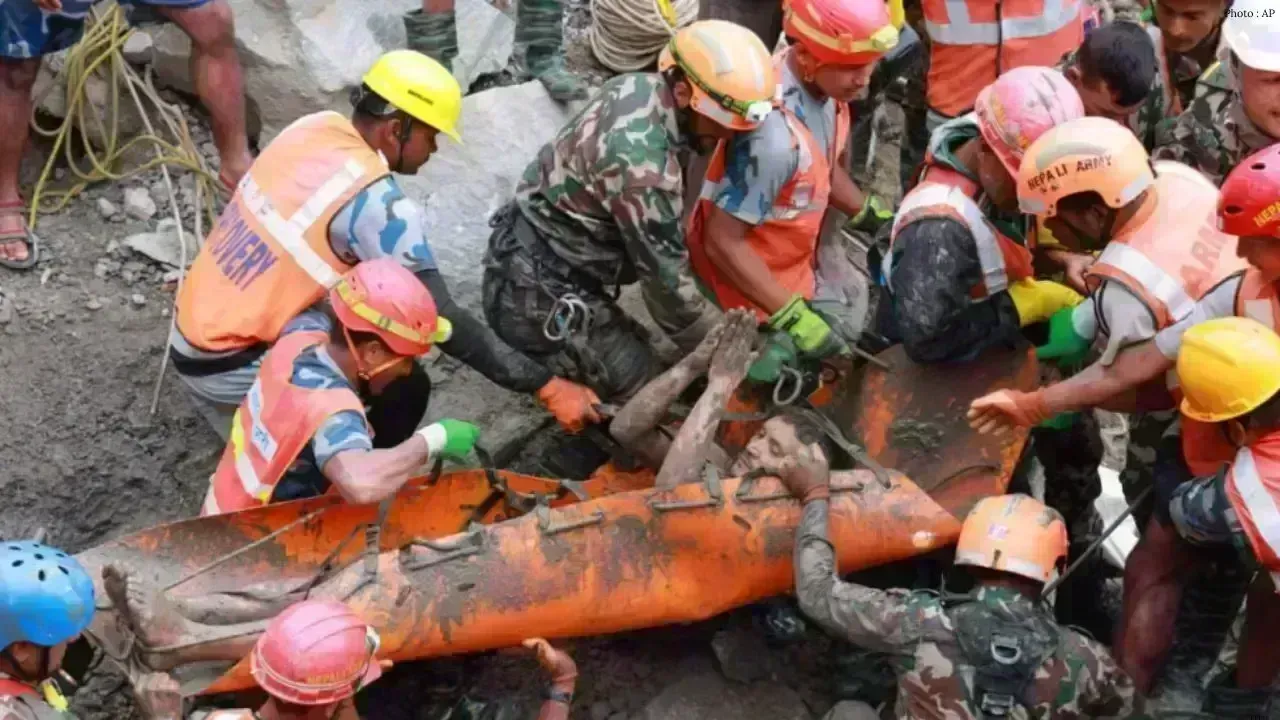
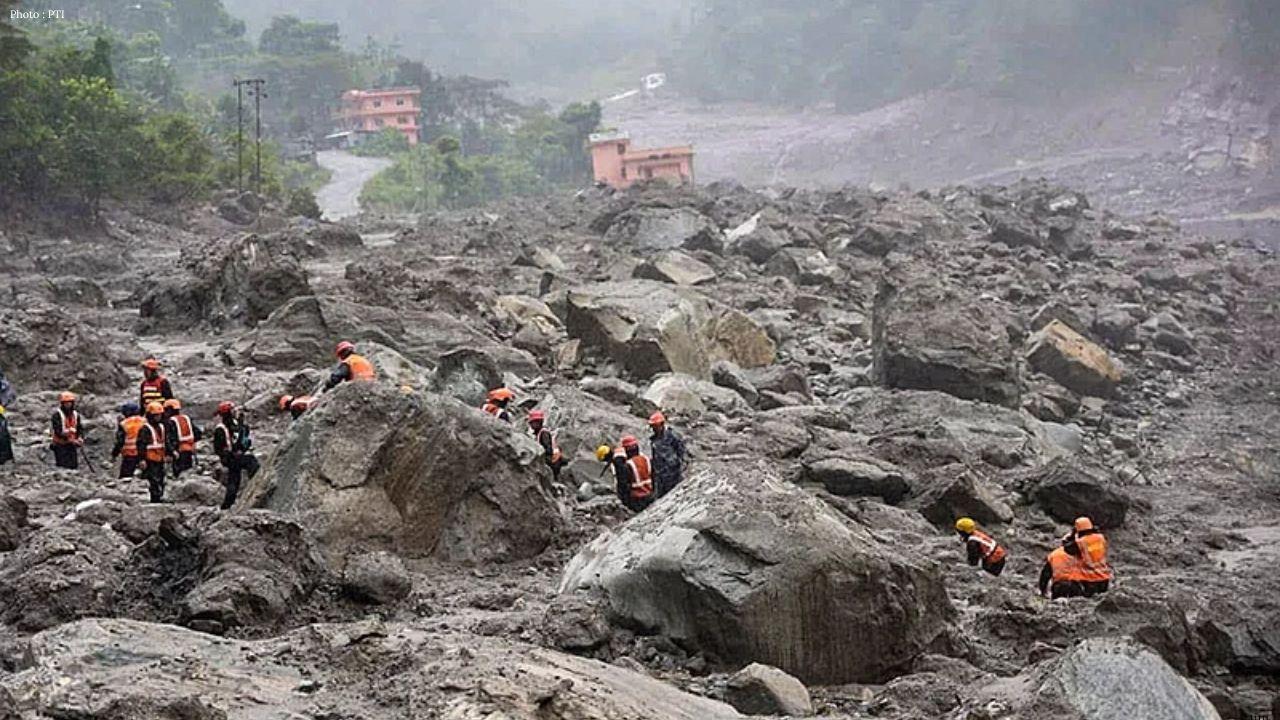
The humanitarian predicament is critical, intensified by recurring natural disasters, including a devastating earthquake earlier this year. Spiraling inflation and a declining currency have plunged nearly half of the population into poverty. Approximately 20 million individuals require humanitarian assistance, yet only 12% of needed funding has been secured. Cuts in international aid, especially from the U.S., have exacerbated the plight of the vulnerable.
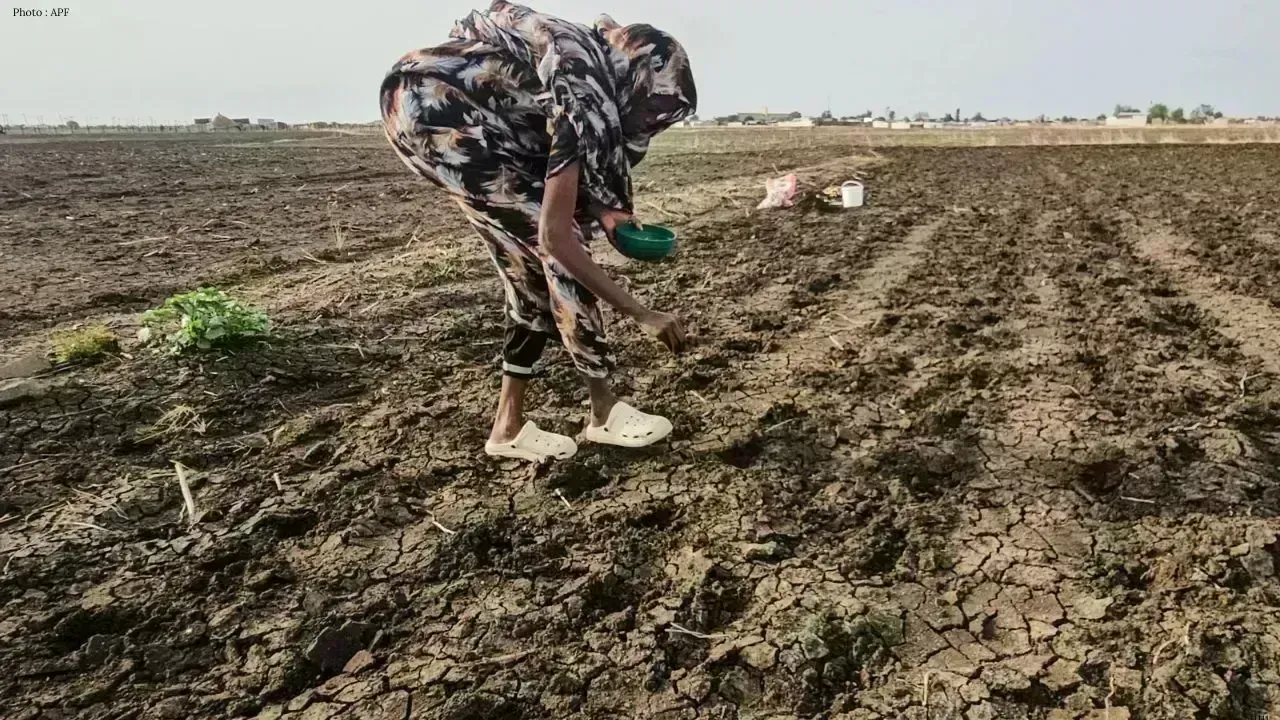
Food scarcity is alarmingly acute. More than 16 million people are facing severe hunger, positioning Myanmar as a significant global hunger crisis region. Estimates from the UN’s World Food Programme suggest that over one million individuals will necessitate life-saving food support in the coming year. Children are particularly endangered, with projections of over 540,000 suffering from severe malnutrition—a 26% rise from the previous year. Nearly one-third of children under five already endure stunted growth from chronic malnourishment.
In spite of these setbacks, flickers of economic recovery are emerging. The World Bank anticipates Myanmar’s GDP may expand by around 3% in the next fiscal year, primarily due to reconstruction following the earthquake and focused aid in the most affected areas. Nonetheless, inflation is soaring above 20%, and persistent electricity shortages are compelling households and businesses to increasingly rely on solar energy.
International engagement, while limited, continues. Russia has entered into investment deals with Myanmar, presenting opportunities for its energy firms. However, the ongoing political volatility, curtailments of press freedom, and fragile infrastructure remain significant hurdles to advancement.
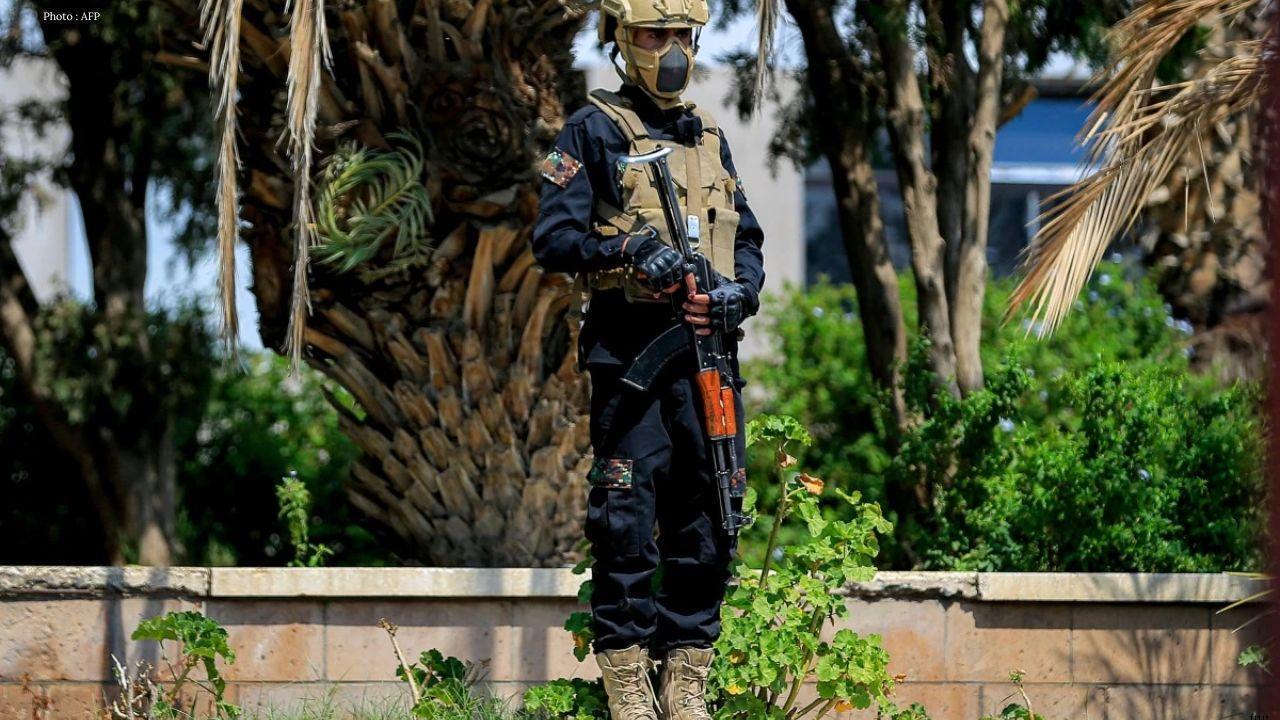
The elections are proceeding under extraordinary circumstances. Millions inhabit conflict-stricken areas, grappling with hunger, displacement, and insecurity, making the voting process perilous. Observers will closely monitor whether these elections foster some form of stability or exacerbate national rifts.
As the voters cast their ballots, Myanmar’s priority remains on survival, fulfilling basic needs, and pursuing peace. These elections symbolize not only a political challenge but also highlight the pressing humanitarian issues that millions continue to endure.


 English