Post by : Samir
Qureshi
When Economic Success Masks Health Deterioration
Quarterly economic reports determine political outcomes and corporate strategies, with Gross Domestic Product (GDP) serving as a critical benchmark. When GDP rises, politicians rejoice; when it falters, trepidation ensues. Yet, simultaneous to this economic optimism, a troubling trend is manifesting: a surge in hospital admissions, respiratory illnesses, heart complications, and climate-related health issues.
The core issue lies not in the accuracy of GDP.
It’s that GDP is an incomplete measure.
While economic growth may imply advancement, it fails to account for crucial factors—clean air, access to potable water, and comfortable living conditions. A nation can exhibit paper wealth while its populace suffers in silence.
Climate disruption affects not only our environment but infiltrates our health as well.
And GDP neglects to quantify this reality.
What GDP Captures and What It Omits
The Rise of GDP as an Economic Benchmark
GDP reflects the aggregate value of a country’s goods and services, encompassing construction, production, and consumer spending. It gauges economic activity.
Yet it fails to reveal:
Who experiences illness
Who succumbs prematurely
Who suffers from pollution
Who ingests contaminated water
Who struggles with mental health
Who faces daily challenges due to climate extremes
Epidemics may proliferate while GDP continues to grow.
A nation's GDP can climb amidst health collapse.
Financial Gains Do Not Reflect Health Consequences
A heatwave does not affect GDP when:
Suffering can stimulate economic activity.
Illness, disaster, and distress can yield profit.
In economic terms, natural disasters signify productive output;
In human terms, they denote devastation.
GDP acknowledges the reconstruction phase.
It disregards the physical and emotional toll.
Medical Consequences of Climate Change
Heatwaves: More Than Just Weather
Extended heat leads to health complications, including:
National budgets tend to record:
GDP celebrates medical expenditure but ignores the lives lost.
Air Quality: The Overlooked Health Crisis
Substandard air quality harms health without triggering economic alarms.
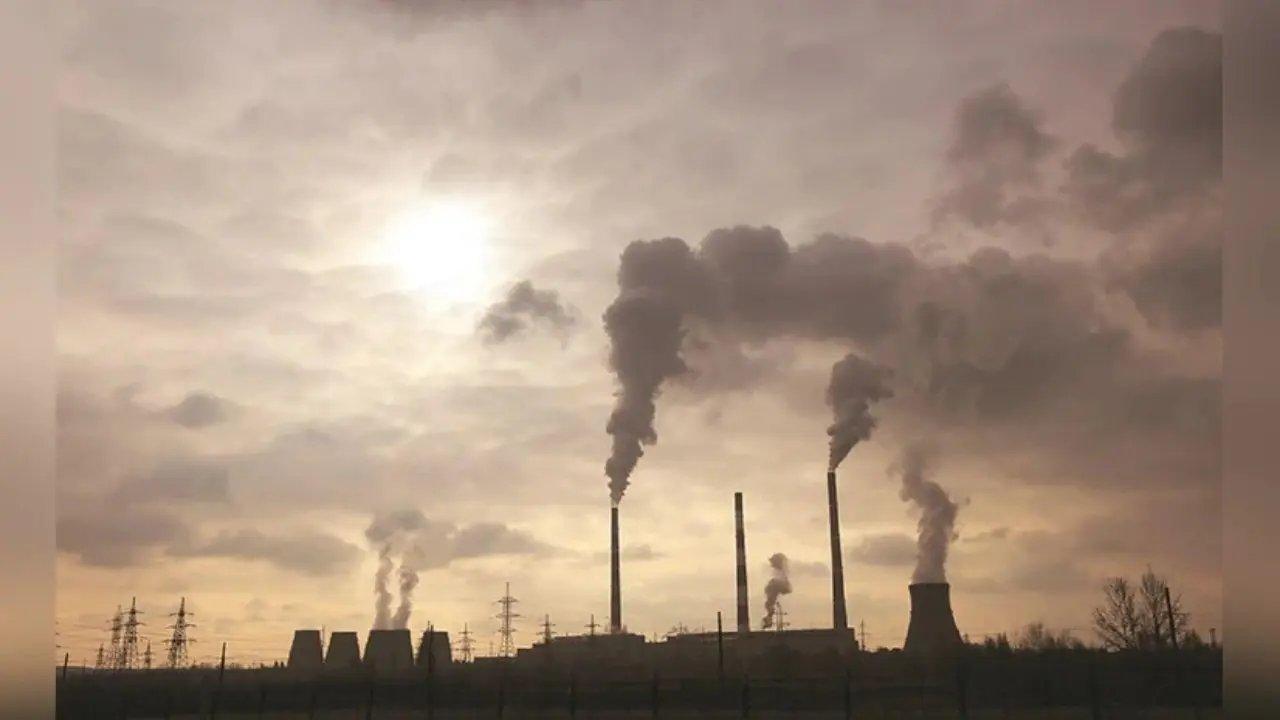
Where GDP perceives growth—through industrial output, automobile sales, and construction—it fails to recognize:
While factories contribute to the economy, they also heighten mortality rates.
These detrimental health effects are invisible on growth statements.
Natural Disasters Impacting Health
Waterborne Illnesses Surging Post-Flood
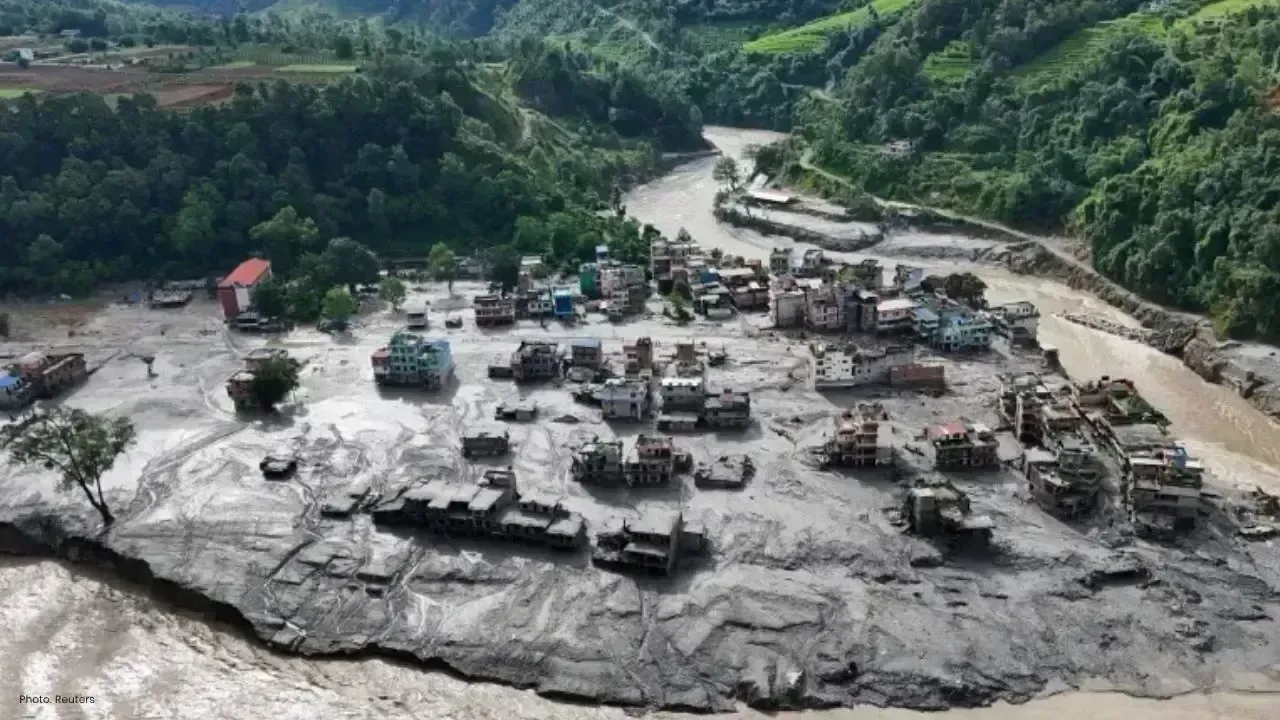
Flooding instigates surges in water-related illnesses:
Displaced families face hardships.
Children miss education; workers miss pay.
GDP measures public spending and infrastructure restoration, yet overlooks:
Addressing Drought's Long-Term Health Impact
Droughts might not seem dramatic, but their effects are insidious:
Under-nutrition
Dehydration
Pregnancy complications
Child stunting
Psychological distress
Farmers’ suicides
Although market prices may fluctuate due to drought, GDP focuses solely on monetary value, overlooking the deeper issues.
The Urgency for New Economic Metrics
Current economic measures fail to encapsulate climate and health interdependencies.
A comprehensive economic approach must encompass:
While economic data is significant, the health of citizens should take precedence.
Health as a Paramount Indicator of Economic Substance
Turnover without health yields transient wealth and can lead to long-term economic decline.
Ignoring the health repercussions of climate change jeopardizes societal stability.
Disclaimer:
This article is for informational purposes only and should not replace professional advice.


 English