Post by : Samir
Qureshi
Exploring the Sacred Bond of Food and Devotion
Govardhan Pooja, celebrated the day following Diwali, is a pivotal Hindu festival dedicated to Lord Krishna and Govardhan Hill. This festival commemorates Krishna's triumph over Lord Indra's pride, emphasizing gratitude toward nature and its bounties.
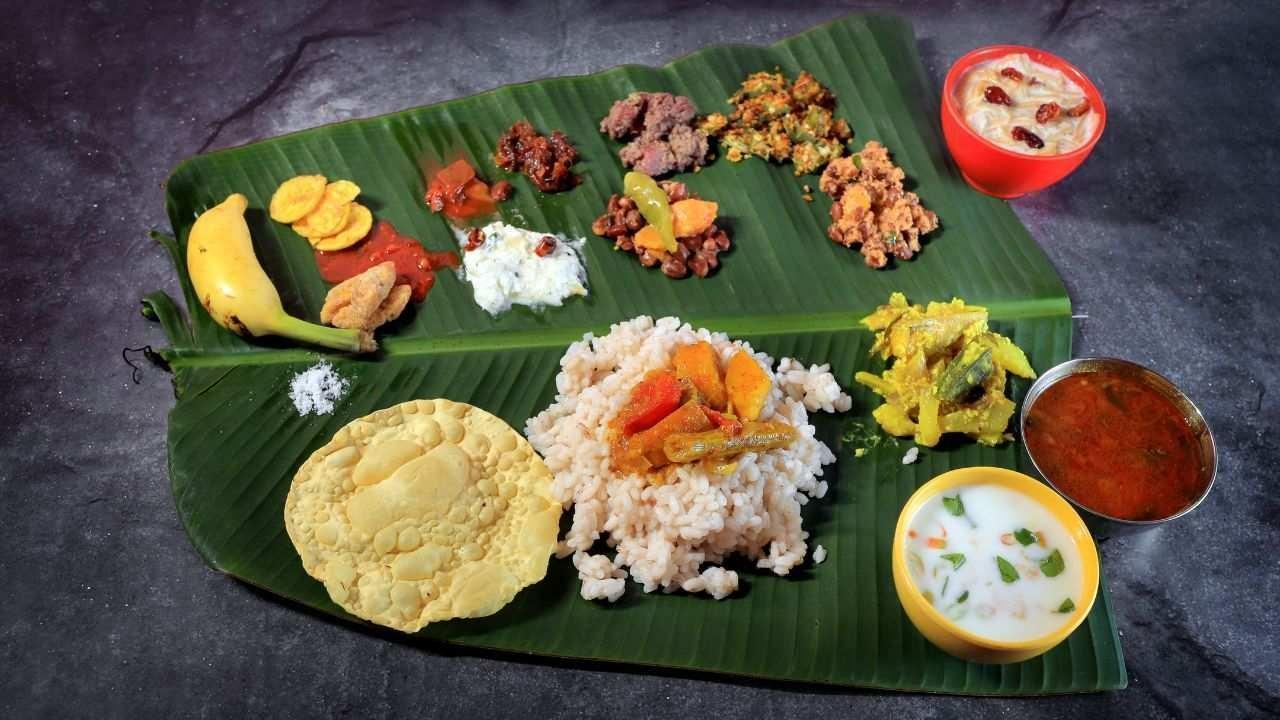
A standout feature of this festival is the creation of Annakut — a towering assortment of food presented to Lord Krishna. Devotees curate an extensive selection of traditional dishes, sweets, and delicacies, serving not just as ritual offerings but as heartfelt expressions of love and gratitude. Each dish prepared during Govardhan Pooja possesses unique spiritual relevance.
Annakut: A Celebration of Abundant Offerings
The term Annakut means “mountain of food.” On this day, faithful followers prepare a remarkable collection of vegetarian dishes symbolizing abundance and reverence. Temples and homes showcase these dishes in multi-tiered formations that mimic Govardhan Parvat, the very hill recommended by Krishna to protect the residents of Vrindavan.
While the number of offerings may differ across regions, a cherished tradition involves preparing Chappan Bhog — an assortment of 56 unique dishes that are considered Krishna’s favorites.
Diving Deeper into Chappan Bhog
Why 56 Items?
The concept behind Chappan Bhog is rooted in the tale of Govardhan. During the seven days Krishna held the hill, the villagers could not offer their usual daily meals. In appreciation post the rain, they assembled 56 dishes—symbolizing the love and gratitude expressed in his service.
The Importance of Food Offerings
Creating such a diverse array of dishes symbolizes devotion, variety, and selfless service. It goes beyond quantity; it is the love and purity infused into each creation that matters. All offerings are made without onion or garlic to uphold the sattvic (pure) principle appropriate for deity offerings.
Traditional Dishes for Govardhan Pooja
1. Rice and Grain Varieties
-
Plain Steamed Rice / Jeera Rice – A fundamental component of the Annakut spread, symbolizing purity and simplicity.
-
Khichdi – A comforting blend of rice and lentils, reflecting balance and humility.
-
Pulao and Kesar Bhaat – Aromatic rice dishes offered to Krishna symbolize joy and prosperity.
Symbolism: Grain-based dishes signify abundance and sustenance, paying homage to the harvest provided by nature.
2. Lentil and Curry Selections
-
Dal Tadka / Moong Dal – A nutritious, simple offering conveying nourishment and gratitude.
-
Aloo Tamatar Ki Sabzi – A delicious, humble curry epitomizing everyday devotion.
-
Paneer Curry (Shahi Paneer or Matar Paneer) – Denotes richness and devotion, often included in temple offerings.
Symbolism: Lentils and curries signify strength and nourishment, essential for sustaining life and faith.
3. Breads and Savory Treats
-
Poori – Deep-fried wheat bread, typically made fresh during the celebration, symbolizes fulfillment and joy.
-
Paratha / Thepla – Homemade breads that embody family unity and participation in food preparation.
-
Kachori / Samosa / Pakora – Favorite savory snacks that add festive spirit and variety to the Annakut meal.
Symbolism: Breads represent effort and togetherness, highlighting the family in making the feast.
4. Traditional Sweets and Desserts
-
Laddu (Besan or Motichoor) – A beloved sweet of Krishna, representing joy and divine blessings.
-
Kheer (Rice Pudding) – Reflecting purification and the essence of devotion.
-
Halwa (Sooji or Moong Dal) – Prepared with ghee and sugar, symbolizing spiritual abundance.
-
Peda and Sandesh – Simple offerings of love, usually enjoyed as prasad.
Symbolism: Sweets represent joy, accomplishment, and divine blessing, promoting community happiness.
5. Seasonal Vegetables and Offerings
-
Saag (Leafy Greens) – Symbolic of fertility, growth, and nature's nourishment.
-
Mixed Vegetable Curry – A medley of vegetables representing unity in diversity.
-
Boiled or Steamed Root Vegetables – Reflecting humility and connection to the earth.
Symbolism: Vegetable dishes convey gratitude towards nature, which supports all forms of life.
6. Dairy Specialties (Krishna’s Favorites)
-
Makhan (Butter) – Krishna's favorite, representing joy and innocence.
-
Dahi (Curd) – Signifying purity and life’s simple pleasures.
-
Shrikhand / Lassi – Sweetened dairy offerings lovingly prepared for Krishna.
Symbolism: Dairy foods celebrate Krishna’s character as Makhan Chor (Butter Thief), emphasizing sweetness and devotion.
Spiritual Value of Food Offerings
Each dish crafted during Govardhan Pooja embodies gratitude, transcending mere food to forge a spiritual connection among humanity, nature, and the divine. Offering meals conveys essential values of:
-
Humility: Serving food to God prior to consumption reflects respect and surrender.
-
Community: Shared meals nurture social bonds and compassion.
-
Purity: Only vegetarian, sattvic dishes maintain sanctity.
-
Service: Cooking evolves into an act of seva (selfless service) rather than just meal preparation.
Through these offerings, devotees convey that every grain is sacred, each dish an offering, and every bite a symbol of divine grace.
Contemporary Expressions of Annakut
Nowadays, families might not prepare a full spread of 56 dishes but still engage in rituals with love and faith. Many replicate simplified Annakut platters featuring symbolic selections—rice, dal, curry, sweets, and dairy—while temples globally host community feasts where devotees actively contribute in the preparation and sharing of food.
Modern adaptations may experiment with health-conscious or fusion offerings while preserving the spiritual essence intact.
True Devotion in Offerings
The traditional foods associated with Govardhan Pooja extend beyond festive treats — they are heartfelt tributes to nature and Lord Krishna. Regardless of simplicity or grandeur, each dish holds profound spiritual meaning, embodying the connection between the divine and the devotee.
As Krishna illustrated through the Govardhan narrative, genuine worship is found in humility, gratitude, and love for all life. The Annakut feast serves as a reminder that meals, when prepared with true devotion, transform into sacred offerings, making the act of sharing food a form of worship itself.
Disclaimer
This article is meant for educational and informational purposes only. The outlines of traditional foods, rituals, and their significance may differ by region and community. Readers are advised to adhere to local customs or consult knowledgeable individuals for guidance.


 English