Post by : Saif
Al-Najjar
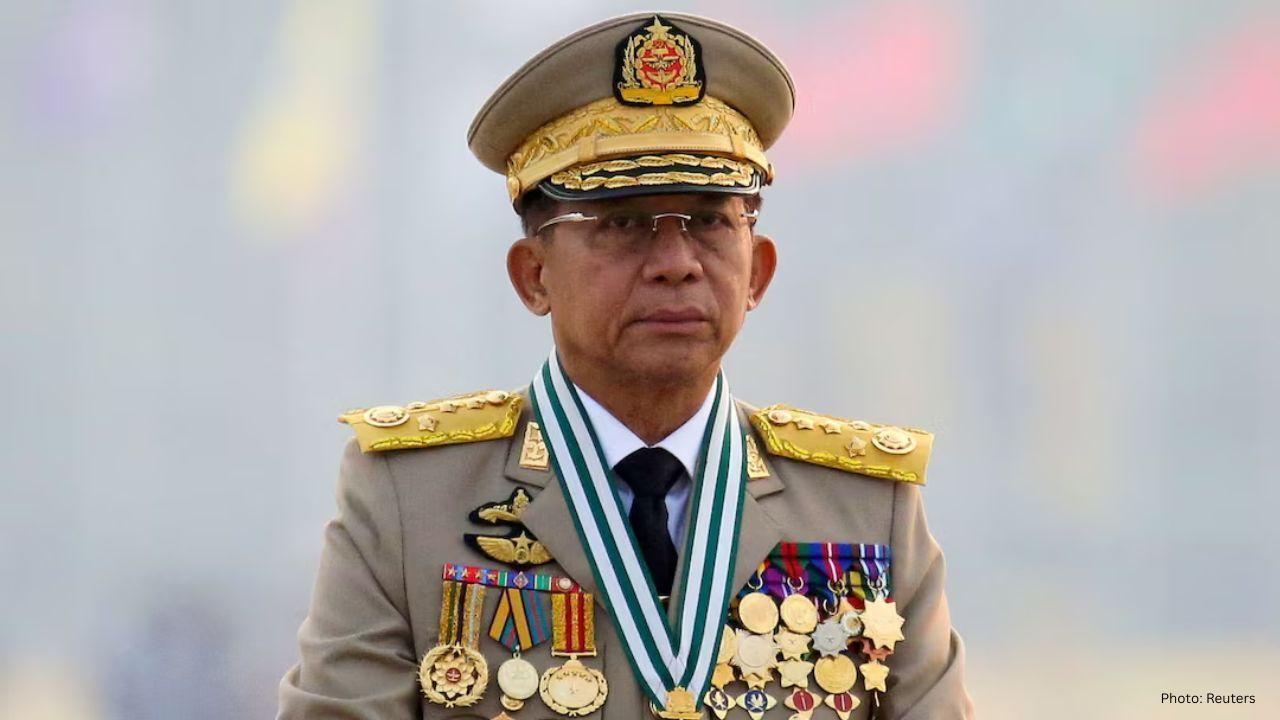
As Myanmar gears up for its general election, the atmosphere throughout the nation remains subdued and fraught, starkly contrasting with the vibrant scenes of previous elections. The ongoing civil war, pervasive fear, and a significant humanitarian crisis have sapped enthusiasm from the campaign, leading to widespread uncertainty and disengagement among citizens.
Nearly four years post the military coup in 2021—which ousted the democratically elected government led by Aung San Suu Kyi—Myanmar has found itself embroiled in extensive strife between the military and various armed resistance groups, resulting in mass poverty and displacement. Many observers argue that this election serves primarily to entrench military authority rather than genuinely represent the will of the populace.
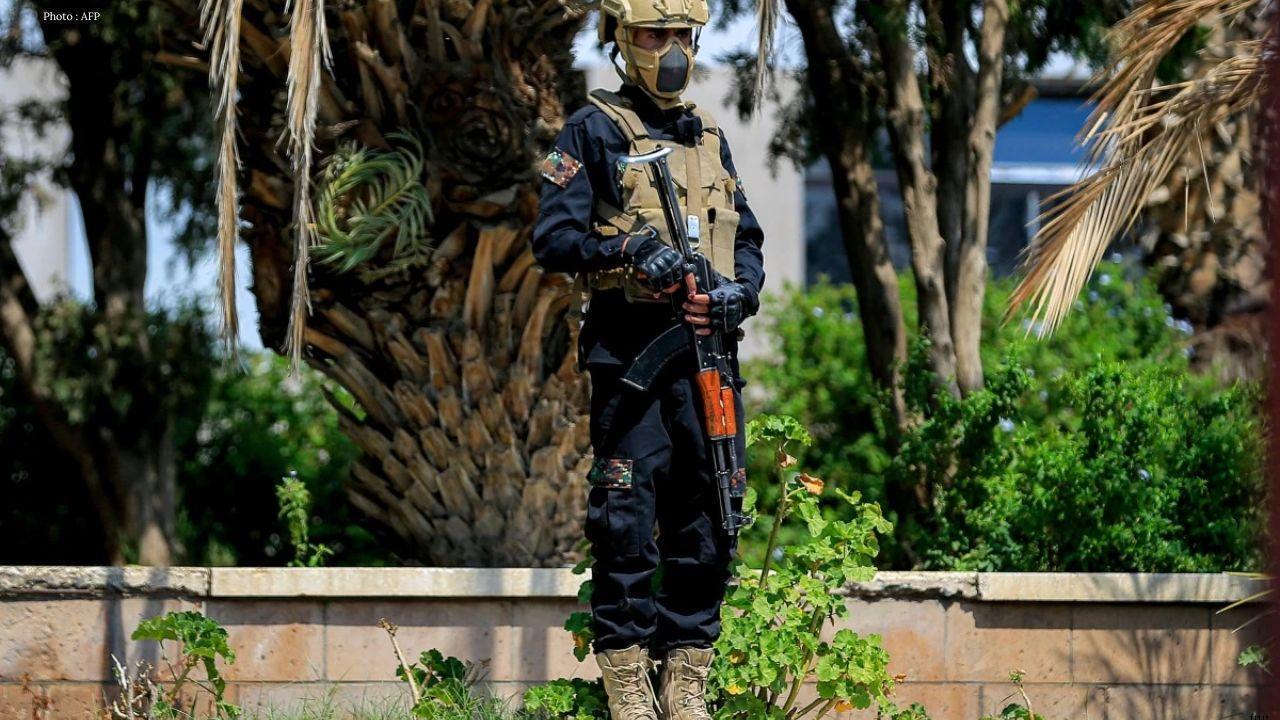
In urban areas such as Yangon, residents comment on the nearly imperceptible campaigning this year. Unlike past elections characterized by rallies, music, and enthusiastic crowds, the current atmosphere is marked by sparse signage and limited interactions between candidates and voters. Security concerns have led many candidates to shy away from public events, making any rallies that do occur heavily guarded.
Individuals have remarked that even military-affiliated parties seem minimally present in grassroots campaigning efforts. The Union Solidarity and Development Party, aligned closely with former military leaders, maintains a visible presence, yet its engagement appears significantly diminished compared to prior election cycles.
The prevailing apathy is largely rooted in fear. The United Nations warns citizens face threats regarding their participation in the elections—from both military officials and opposing factions. Many are concerned about potential repercussions for voting, as well as fears surrounding the consequences of abstaining.
Some worry about arrest, travel limitations, or being drafted into military service if they do not vote. Others dread the possibility of violence at polling stations. In such a tense climate, rumors amplify confusion and unease even in the absence of formal directives.
The election, taking place in three phases, will exclude areas heavily affected by ongoing violence. Authorities are yet to disclose a timeline for vote counting or results release, further casting doubt on the election's transparency.
The military regime claims that the election will be conducted free of coercion and is a voluntary process. State-run media posit that the vote presents a pathway out of emergency governance and toward a return to legality, albeit an imperfect one. However, this stance is strongly contested by Western nations, human rights organizations, and the United Nations, who describe the election as neither free nor fair.
For many citizens, the impending election brings more trepidation than optimism. Anticipation for transformation is eclipsed by fear, silence, and uncertainty. As the nation approaches the polls, the lack of transparent discourse and public trust underscores the dramatic impact of conflict on Myanmar's political landscape.


 English