Post by : Abhinav
Rana
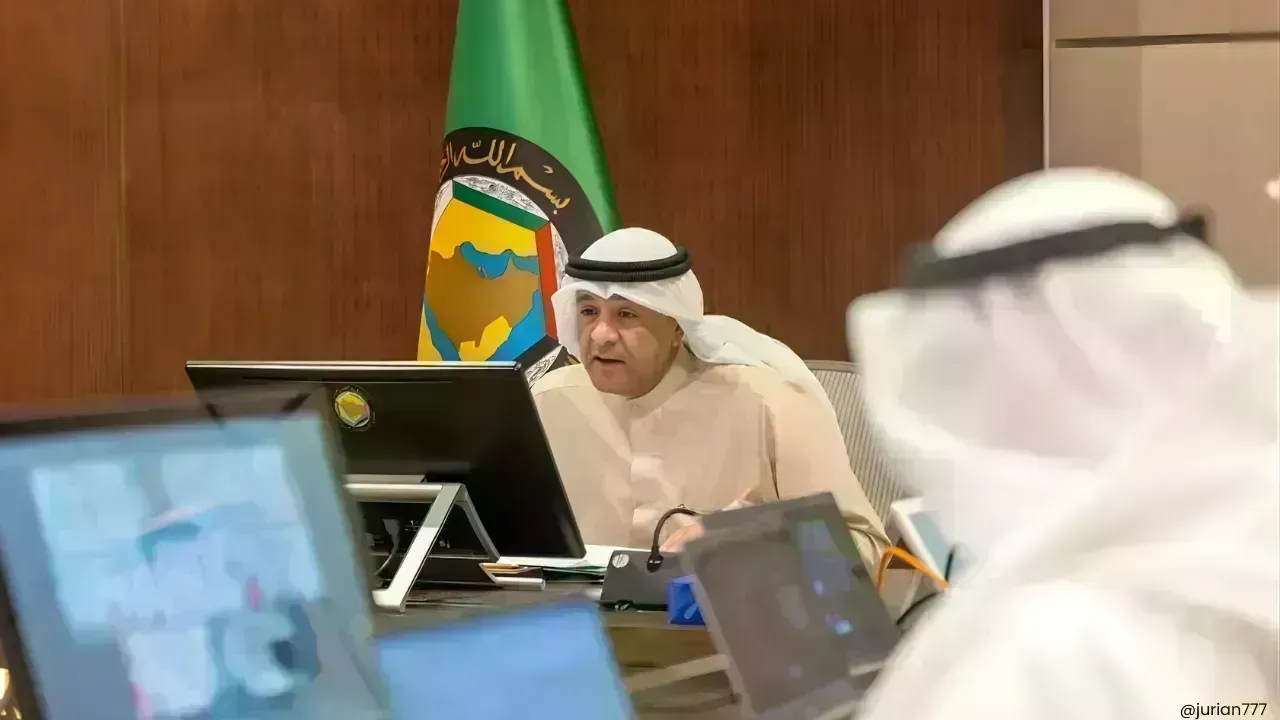
Photo : X / @jurian777
The Gulf’s booming tourism sector is facing one of its most significant challenges in recent years, as escalating regional tensions threaten to disrupt travel patterns, reduce visitor inflows, and destabilise a key pillar of economic diversification. Projections indicate that the GCC could suffer tourism revenue losses of up to $32 billion, a figure that highlights the scale of the crisis unfolding across the region. Once positioned as one of the fastest-growing global tourism hubs, the Gulf now finds itself navigating uncertainty that could reshape demand dynamics and investor confidence across aviation, hospitality, and travel ecosystems.
At the core of these projections lies a sharp expected drop in international tourist arrivals, with estimates suggesting a decline of 8 to 19 million visitors across GCC countries. This reduction is not just a statistical concern. It represents a major shift in global travel behavior driven by safety perceptions, airspace disruptions, and geopolitical uncertainty. The GCC, which welcomed over 72 million tourists annually and generated close to $120 billion in tourism revenues, now faces the risk of losing a significant portion of that momentum, impacting everything from airline occupancy rates to hotel revenues.
One of the most immediate and visible impacts of the crisis is on the aviation sector, which serves as the backbone of the GCC’s tourism industry. Key aviation hubs such as Dubai, Abu Dhabi, Doha, and Bahrain handling over half a million passengers daily have already experienced operational disruptions and temporary closures due to heightened tensions. These disruptions not only reduce connectivity but also increase operational costs, delay travel schedules, and weaken the region’s reputation as a seamless global transit hub. The ripple effect across airlines, airports, and cargo logistics further amplifies the economic impact beyond tourism alone.
Tourism has long been a central pillar of economic diversification strategies across the GCC, contributing significantly to GDP, job creation, and foreign investment inflows. The projected losses therefore extend far beyond immediate revenue declines.They threaten broader economic stability, particularly in countries that have aggressively invested in tourism infrastructure, mega events, and destination branding. The slowdown in visitor spending, estimated to cost hundreds of millions daily in lost international expenditure, signals deeper structural risks for economies heavily reliant on travel and hospitality sectors.
Recognising the scale of the challenge, GCC leaders have emphasized the need for stronger regional coordination, proactive policy responses, and integrated strategies to protect the tourism sector. Calls for enhanced collaboration among member states reflect an understanding that isolated responses may not be sufficient to counter a crisis of this magnitude. The focus is now shifting toward restoring traveler confidence, stabilising aviation networks, and ensuring continuity in tourism operations despite ongoing geopolitical uncertainty.
Despite the current challenges, there remains cautious optimism about the GCC’s ability to recover, driven by its strong infrastructure base, global connectivity, and proven crisis management capabilities. Historically, the region has demonstrated resilience in overcoming disruptions through coordinated action and strategic investment. However, the path to recovery will depend heavily on how quickly tensions ease and how effectively governments can rebuild trust among global travelers and investors.
The projected $32 billion loss is more than just a financial estimate, it is a defining moment for the GCC’s long-term tourism ambitions. As the region balances growth aspirations with geopolitical realities, the ability to adapt, innovate, and collaborate will determine whether it can sustain its position as a global tourism powerhouse. In an interconnected world where travel, aviation, and economic stability are deeply linked, the stakes for the GCC have never been higher.


 English